
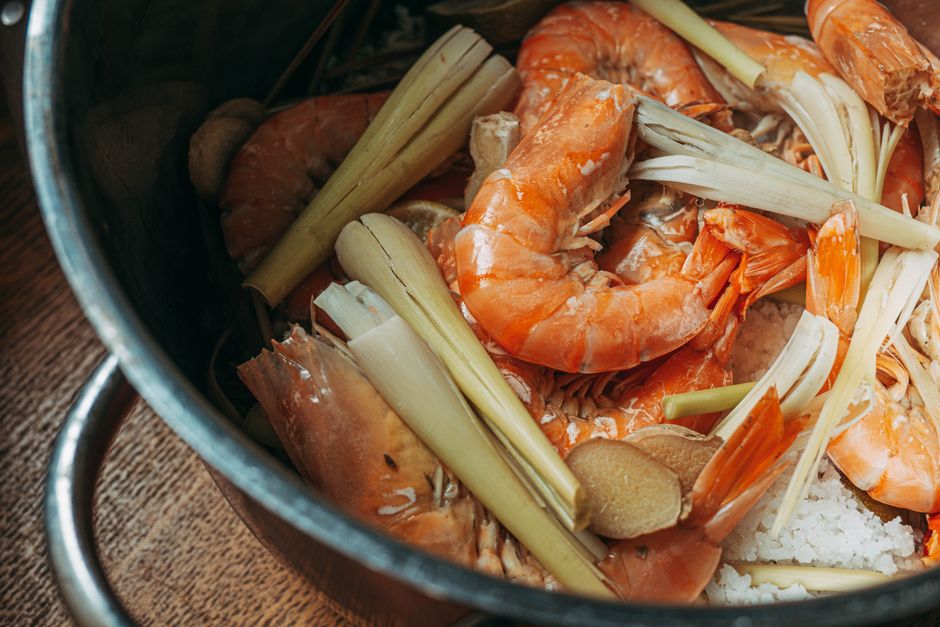
Boiled shrimp contains about 126 milligrams of cholesterol in a 3-ounce serving. That is a real number, not a small one. But it is also not the whole story, because dietary cholesterol and blood cholesterol turned out to be less directly connected than most people were taught. Shrimp is low in saturated fat, low in calories, and high in protein. For most people, the cholesterol in shrimp is not the problem it was once made out to be.
Here is where the confusion started. For decades, official advice told people to cap dietary cholesterol at 300 milligrams a day. Shrimp fit badly into that budget. Then the science caught up with the food. The 2015 Dietary Guidelines Advisory Committee reviewed the evidence and concluded that dietary cholesterol was no longer a nutrient of concern for overconsumption. The current guidelines do not set a daily limit on cholesterol from food. That shift did not make shrimp a health food on its own. It did mean the old warning was built on weaker ground than most people realized.
How Much Cholesterol Is Actually In Boiled Shrimp?
A 3-ounce serving of boiled shrimp — roughly 12 to 15 medium shrimp — contains approximately 126 milligrams of cholesterol. That is measured from cooked, plain shrimp with no butter, breading, or sauce. Boiling does not add cholesterol. It does not remove it either. The number you see on a nutrition label reflects the shrimp itself.
For comparison, a large egg has about 186 milligrams of cholesterol. A 3-ounce serving of cooked chicken breast has around 70 milligrams. Shrimp sits higher than chicken and lower than an egg, per serving.
What matters more than the cholesterol number is what comes alongside it. Boiled shrimp has almost no saturated fat. A 3-ounce serving contains less than a gram. That distinction is central to understanding how shrimp affects your blood cholesterol, and it is the part most people skip.
Does Eating Cholesterol Raise Your Blood Cholesterol?
For most people, dietary cholesterol has a modest effect on blood cholesterol. The body makes most of its own cholesterol — the liver produces it — and adjusts production based on how much you eat. When dietary intake goes up, the liver typically makes less. This feedback loop keeps blood levels relatively stable in many people.
Saturated fat and trans fat have a stronger effect on blood cholesterol than dietary cholesterol itself. This is well established and consistently supported by research. A food high in cholesterol but low in saturated fat — like shrimp — behaves differently in the body than a food high in both, like a fatty cut of meat or a buttery pastry.
That said, the response varies between people. Some individuals are more sensitive to dietary cholesterol than others. People with certain genetic profiles, and some people with diabetes, may see larger changes in blood cholesterol from dietary cholesterol than the general population. This is not a reason to avoid shrimp entirely. It is a reason to know your own numbers and talk to your doctor about what they mean for you.
Why Shrimp Gets a Worse Reputation Than It Deserves
Shrimp earned its bad reputation during an era when dietary cholesterol was treated as the primary driver of heart disease. That framework has been substantially revised. The 2015 Dietary Guidelines Advisory Committee reviewed the evidence and found no consistent relationship between dietary cholesterol and blood cholesterol levels in most people. The guidelines stopped setting a daily cholesterol cap.
The old warning stuck anyway. Many people still associate shrimp with high cholesterol and avoid it, even though the evidence behind that warning was weaker than the messaging suggested.
There is a second issue that gets less attention. Shrimp is often prepared in ways that add saturated fat — fried in batter, cooked in butter, tossed in creamy sauces. The cholesterol in the shrimp was never the main concern. The preparation often is. Boiled shrimp, plain or with a light seasoning, is a different food from coconut shrimp or shrimp scampi loaded with butter.





What Are the Nutritional Benefits of Boiled Shrimp?
Boiled shrimp is a lean source of high-quality protein. A 3-ounce serving provides roughly 17 to 20 grams of protein and fewer than 100 calories. That protein-to-calorie ratio is one of the best among animal foods.
Shrimp also provides several nutrients that are easy to fall short on:
- Selenium — a mineral involved in thyroid function and antioxidant defense
- Vitamin B12 — needed for nerve function and red blood cell formation
- Iodine — required for thyroid hormone production
- Astaxanthin — a carotenoid that gives shrimp its pink color after cooking and has antioxidant properties
Shrimp is low in mercury compared to larger predatory fish like shark, swordfish, and king mackerel. That makes it one of the seafood options generally considered appropriate for regular consumption, including during pregnancy, according to guidance from the Food and Drug Administration and the Environmental Protection Agency. Shrimp is classified among the “Best Choices” in their joint seafood advice.
Is Boiled Shrimp High In Cholesterol The Facts for Heart Health?
Shrimp does not appear to raise LDL cholesterol in most people the way saturated fat does. Some studies have found that eating shrimp as part of a balanced diet did not significantly raise LDL cholesterol compared to other protein sources, and in some cases was associated with favorable changes in lipid profiles. The evidence is not uniform across all studies, and the research is not large enough to make strong claims about long-term heart outcomes.
What the evidence does support: replacing high-saturated-fat foods with lean protein sources like shrimp is consistent with heart-healthy eating patterns. The American Heart Association recommends eating fish and shellfish at least twice a week as part of a diet that emphasizes vegetables, fruits, whole grains, and lean proteins.
One caveat worth knowing. People with shellfish allergy should not eat shrimp. Shellfish allergy is one of the most common food allergies in adults and can cause serious reactions, including anaphylaxis. This is not a matter of moderation or preparation — avoidance is the standard guidance.
How Should You Think About Shrimp In Your Diet?
Boiled shrimp fits comfortably into most eating patterns. It is lean, high in protein, and low in saturated fat. The cholesterol it contains does not appear to be a significant concern for most healthy adults, based on current evidence.
What matters more is the overall pattern. A diet built around vegetables, fruits, whole grains, legumes, nuts, and lean proteins — including fish and shellfish — is consistently associated with better cardiovascular outcomes. No single food determines that outcome. Shrimp can be part of that pattern, or it can be part of a pattern that is not heart-healthy, depending on what else is on the plate.
If you have high LDL cholesterol, diabetes, or a family history of early heart disease, the picture is more individual. Some people do respond to dietary cholesterol more than others. Your doctor can help you understand whether shrimp fits your specific situation. That conversation is worth having rather than guessing.
Frequently Asked Questions
Is boiled shrimp high in cholesterol?
A 3-ounce serving of boiled shrimp contains about 126 milligrams of cholesterol, which is higher than chicken but lower than a large egg. However, shrimp is very low in saturated fat, which is the dietary factor that most strongly affects blood cholesterol.
Can I eat shrimp if I have high cholesterol?
Most people with high cholesterol can include shrimp in a balanced diet, because dietary cholesterol has a modest effect on blood cholesterol for most people. Talk to your doctor about your individual response, especially if you have diabetes or a strong family history of heart disease.
Does boiling shrimp reduce its cholesterol?
No. Boiling does not change the cholesterol content of shrimp. The cholesterol is in the shrimp itself, and cooking method does not remove it. What boiling does avoid is added saturated fat from frying or butter-based sauces.
Is shrimp healthier than chicken?
Both are lean protein sources. Shrimp has more cholesterol per serving but less saturated fat than most cuts of chicken. Neither is clearly “better” — the healthier choice depends on how each is prepared and what else is in your diet.
