
Blueberry pie is not a health food, but it is not a junk food either. The blueberries in it are genuinely nutritious, and the filling can be made with modest amounts of added sugar. The crust is where most of the calories, saturated fat, and refined flour come from. Whether a slice is “good for you” depends almost entirely on how it is made and how much you eat.
A standard slice supplies real nutrition alongside real calories. Understanding what is in each component — berries, sugar, thickener, and crust — gives you a clear picture of where blueberry pie fits in a balanced diet.
Is Blueberry Pie Good For You Nutrition Facts?
Blueberry pie sits in the middle of the nutrition spectrum. It delivers antioxidants and some fiber from the fruit, but it also brings added sugar, refined flour, and saturated fat from the crust.
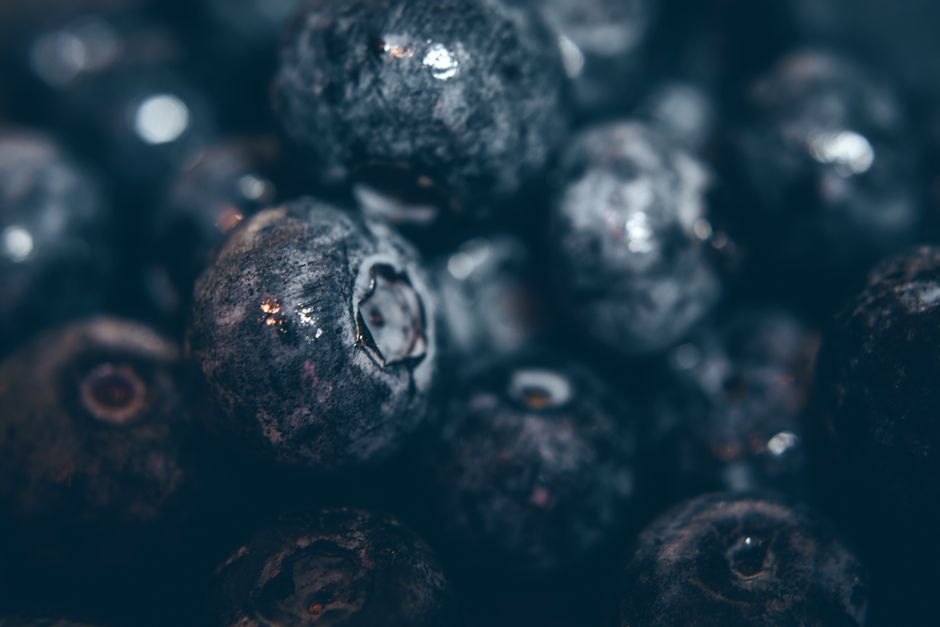
The blueberries are the strongest nutritional asset. Blueberries contain anthocyanins, the pigments that give them their color and act as antioxidants. They also provide vitamin C, vitamin K, and fiber. Research has linked regular berry intake to cardiovascular benefits, though those findings come from overall dietary patterns rather than from pie specifically.
The crust is the weakest link. A typical pastry crust is made from white flour, butter or shortening, and a small amount of sugar and salt. That combination means most of the saturated fat and refined carbohydrate in a slice comes from the crust, not the filling.
A slice of commercially made blueberry pie generally lands somewhere in the range of 300 to 450 calories, depending on slice size and recipe. That is a meaningful chunk of a day’s energy for most adults, but it is not extreme for a dessert. The bigger issue is added sugar, which can run high in store-bought versions.
No single food determines health. Blueberry pie can fit into an overall eating pattern that is mostly built on vegetables, fruits, whole grains, and lean proteins. The question is frequency and portion, not whether the pie itself is virtuous or harmful.
What Nutrients Are Actually in a Slice of Blueberry Pie?
The nutrient profile of a slice varies widely by recipe, but the general picture is consistent. You get carbohydrate as the dominant macronutrient, moderate fat from the crust, and a small amount of protein.
Here is an approximate comparison of what different components contribute. Exact values shift with recipe, so treat these as general ranges rather than fixed numbers.
| Component | Main Contribution | Notable Nutrients |
|---|---|---|
| Blueberries (filling) | Carbohydrate, water, fiber | Vitamin C, vitamin K, anthocyanins, fiber |
| Added sugar (filling) | Carbohydrate, calories | None beyond energy |
| Thickener (cornstarch or flour) | Carbohydrate | Minimal |
| Pastry crust | Fat, refined carbohydrate | Saturated fat, some iron and B vitamins from flour |
The fiber content is modest. Blueberries provide fiber, but a slice of pie contains only a portion of a cup of berries, and refining the flour in the crust removes much of the fiber that whole grain would offer. A slice typically provides a few grams of fiber at most.
Vitamin C from the berries is partly reduced by baking, since heat degrades it over time. The pie still contributes some, but it is not a reliable source compared with eating fresh berries.
One clarification worth making: the anthocyanins in blueberries are real and well studied, but their presence in a baked pie does not make the pie an antioxidant supplement. Baking and the sugar matrix affect how much remains available, and no study has shown that eating blueberry pie delivers measurable health benefits.
How Much Sugar Is in Blueberry Pie?
Blueberry pie contains added sugar in both the filling and the crust, and the amount varies enormously between recipes. A homemade pie with lightly sweetened fruit can have far less than a commercial pie designed for maximum sweetness.
Filling recipes commonly call for anywhere from a few tablespoons to well over half a cup of sugar, plus cornstarch or flour to thicken the juices. Commercial pies often add more sugar and sometimes corn syrup to extend shelf life and deepen sweetness. Crust recipes usually add a small amount of sugar as well.
The American Heart Association recommends that most women limit added sugar to about 25 grams per day and most men to about 36 grams per day. A generous slice of a sweet commercial pie can approach or exceed a significant share of that daily limit in a single serving.
Sugar is not toxic in ordinary amounts, and a slice of pie is not a health crisis. But added sugar adds calories without nutrients, and consistently high intake is associated with dental cavities and, over time, with weight gain and metabolic concerns. That context matters more than any single dessert.
If you are watching sugar, the filling is the easiest place to cut back. Reducing added sugar in the filling lets the natural sweetness of ripe berries carry more of the flavor.




Is the Crust the Unhealthiest Part of Blueberry Pie?
The crust is the largest source of saturated fat and refined carbohydrate in a slice of blueberry pie. That does not make it dangerous, but it explains why pie is calorie-dense relative to its size.
Traditional pastry crust relies on solid fat — butter, lard, or shortening — to create its flaky texture. Fat coats the flour and limits gluten development, which is why the crust stays tender. That same fat is what drives the calorie count up.
Butter and lard contribute saturated fat. Shortening can contain trans fat, though many manufacturers have reformulated to reduce it. Checking the label on store-bought crust or shortening is worthwhile if trans fat is a concern.
The flour in crust is typically refined white flour, which has had the bran and germ removed. That means less fiber and fewer micronutrients than whole wheat flour would provide. Some recipes substitute part whole wheat pastry flour, which adds fiber but changes the texture.
None of this means crust should be avoided entirely. It means the crust is where the nutritional cost concentrates, so portion size and frequency are the practical levers.
Can Blueberry Pie Be Part of a Healthy Diet?
Yes, blueberry pie can fit into a healthy diet. The evidence on dessert and health does not support rigid avoidance. What matters is the overall pattern of eating across days and weeks, not whether one dessert appears.
Dietary guidelines generally emphasize overall patterns rather than banning specific foods. A slice of pie after a meal that includes vegetables, protein, and whole grains is a very different nutritional event than a slice eaten as a substitute for a meal.
Portion is the practical tool. A smaller slice delivers the same enjoyment with fewer calories and less sugar. Serving pie with a spoonful of plain yogurt or a handful of fresh berries can add protein and fiber that balance the dessert.
Frequency matters more than any single occasion. Pie a few times a month is a different pattern than pie every day. Neither is a moral failing, but the health implications differ.
People with diabetes need to account for the carbohydrate in pie as part of their overall carbohydrate planning. The American Diabetes Association advises that people with diabetes can include desserts in moderation within a balanced meal plan, but portion and timing relative to blood sugar management matter. Anyone managing blood sugar should discuss dessert choices with their care team rather than relying on general advice.
How Can You Make Blueberry Pie Healthier?
You can meaningfully improve the nutrition of blueberry pie by adjusting the filling and the crust. These changes do not turn pie into a health food, but they reduce added sugar and saturated fat without sacrificing the dessert.
- Reduce added sugar in the filling and rely on ripe berries for sweetness.
- Use part whole wheat pastry flour in the crust to add fiber.
- Choose a crust recipe with less solid fat, or a lighter crumble topping instead of a full pastry lid.
- Skip the top crust and use a single bottom crust to cut calories and fat substantially.
- Increase the proportion of berries to filling for more fruit per slice.
- Serve smaller slices and pair with plain yogurt or fresh fruit.
The single-crust approach is the most effective change. A double-crust pie roughly doubles the pastry per slice compared with an open-faced or lattice-topped version. Lattice tops use less dough than a solid lid and let more fruit show.
Thickening with less starch and more fruit also helps. Many recipes over-thicken because juicy berries release liquid during baking. Using ripe berries and a modest amount of thickener produces a fruit-forward filling with less added sugar.
What you cannot do is make pie into a low-calorie food. Even a carefully made slice remains a dessert. The goal is a better version of a treat, not a health product.
Does Baking Destroy the Nutrients in Blueberries?
Baking reduces some nutrients in blueberries but does not eliminate them. Vitamin C is the most heat-sensitive, and it declines during baking. Anthocyanins and fiber are more stable, though anthocyanin levels also drop somewhat with heat and prolonged cooking.
The loss is partial, not total. A baked pie still contains fiber and some of the beneficial plant compounds from the berries. It simply delivers less than the same amount of fresh or frozen berries eaten raw.
This is true of most cooked fruit. Cooking softens cell walls and can make some nutrients easier to absorb, while degrading others. The net effect depends on the nutrient and the cooking method.
The practical takeaway is that pie is not a substitute for eating berries. Fresh or frozen blueberries eaten on their own deliver more of the heat-sensitive nutrients with no added sugar or crust. Pie is a dessert that happens to contain fruit, not a fruit serving in disguise.
Frequently Asked Questions
Is blueberry pie healthy?
Blueberry pie is not a health food, but it is not inherently unhealthy either. It contains beneficial compounds from the berries alongside added sugar and saturated fat from the crust, so portion and frequency determine its place in your diet.
How many calories are in a slice of blueberry pie?
A typical slice generally falls in the range of 300 to 450 calories, depending on slice size and recipe. Commercial pies and double-crust versions tend to be on the higher end.
Is blueberry pie good for you if it has real fruit?
Real fruit adds fiber and antioxidants, but it does not cancel out the sugar and fat in the pie. The fruit makes pie a better choice than a purely sugar-based dessert, not a healthy one.
Can diabetics eat blueberry pie?
People with diabetes can generally include desserts like pie in moderation within a balanced meal plan, but portion and carbohydrate accounting matter. Discuss specific dessert choices with your care team rather than relying on general guidance.
