
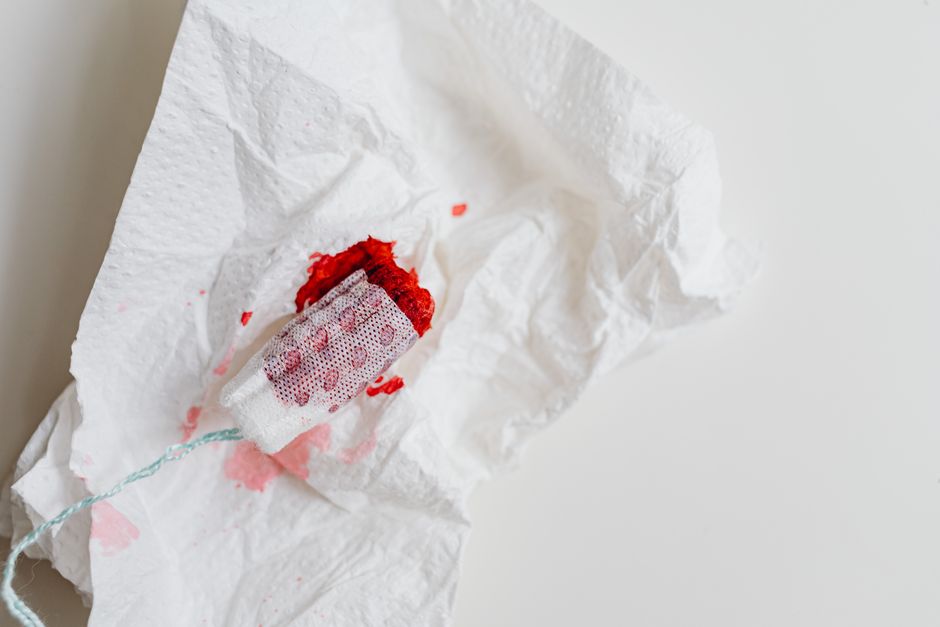
Bleeding during menopause is common in the years leading up to menopause (perimenopause), but after menopause has officially occurred — meaning 12 full months without a period — any bleeding is not normal and requires a medical evaluation. The key is understanding the difference between expected changes in your cycle and warning signs that need attention.
Is bleeding during menopause normal?
The short answer depends on where you are in the menopausal transition. During perimenopause, irregular bleeding is very common and generally not a cause for alarm. Your ovaries are producing less estrogen, and ovulation becomes unpredictable. This leads to skipped periods, lighter or heavier flows, and cycles that vary widely in length. Many women experience spotting between periods or longer gaps between cycles.
Once you have gone 12 consecutive months without a period, you are considered postmenopausal. Bleeding at this stage — even light spotting — is not normal. It should always be evaluated by a healthcare provider to rule out underlying conditions, including endometrial cancer, polyps, fibroids, or vaginal atrophy.
What causes bleeding during perimenopause?
The main cause is hormonal fluctuation. Estrogen and progesterone levels rise and fall unevenly. This disrupts the normal buildup and shedding of the uterine lining. Sometimes the lining builds up more than usual, leading to heavier bleeding. Other times it sheds irregularly, causing spotting or skipped months.
Other possible causes during perimenopause include:
- Uterine fibroids or polyps
- Thyroid disorders
- Blood clotting issues
- Infections of the cervix or uterus
- Use of hormonal medications or devices
These conditions become more common as women age, so any change in bleeding pattern is worth discussing with your doctor even if it seems typical for perimenopause.
Bleeding after menopause: what you need to know
Bleeding after menopause is medically called postmenopausal bleeding (PMB). It is not normal. Studies consistently show that about 10% of women over age 55 experience PMB, but the cause is not always cancer. In fact, most cases are due to benign conditions such as vaginal atrophy (thinning and inflammation of the vaginal lining), cervical polyps, or uterine fibroids.
However, endometrial cancer is found in about 5–10% of women with postmenopausal bleeding, depending on age and risk factors. This is why any blood — even a single spot — after menopause requires an evaluation. The risk of serious disease is high enough that guidelines from major medical organizations recommend swift assessment, usually with an ultrasound and sometimes a biopsy.





When should you see a doctor about bleeding during menopause?
You should see a doctor in these situations:
- Bleeding after 12 months of no periods
- Bleeding that soaks through a pad or tampon every hour for 2 or more hours
- Bleeding that lasts more than 10 days
- Periods that come less than 21 days apart
- Heavy bleeding with large clots
- Bleeding after sex
- Spotting between periods that lasts more than a few cycles
Even if your bleeding seems light or occasional, if you are postmenopausal you still need to be checked. The amount of blood does not predict how serious the cause is. Some endometrial cancers cause only minimal spotting.
How is unusual bleeding evaluated?
Your doctor will start with a history and physical exam, including a pelvic exam. The next step is often a transvaginal ultrasound. This measures the thickness of the endometrial lining. In postmenopausal women, a lining thinner than 4–5 mm is typically considered normal and lowers the chance of cancer significantly. A thicker lining may require a biopsy.
Endometrial biopsy is a common in-office procedure where a thin tube is inserted into the uterus to collect a small sample of tissue. It is generally well tolerated and provides a clear diagnosis. If the biopsy is inconclusive or the ultrasound shows abnormalities, a hysteroscopy (a camera placed inside the uterus) or dilation and curettage (D&C) may be recommended.
These steps are not meant to alarm you. Most women who experience bleeding during perimenopause or postmenopause do not have cancer. But the tests are important to rule out serious conditions and to identify treatable problems like polyps or fibroids.
Can lifestyle factors affect bleeding during menopause?
Some research suggests that obesity can increase the risk of abnormal bleeding because fat tissue produces estrogen, which can stimulate the uterine lining. Hormonal therapies, certain supplements (like ginseng or soy isoflavones), and changes in weight can also affect bleeding patterns. However, these influences are not as strong as the hormonal changes of perimenopause itself.
There is no convincing evidence that stress alone causes significant abnormal bleeding after menopause, although stress can affect cycle regularity during perimenopause through changes in cortisol and hormone balance.
What about spotting from vaginal dryness or atrophy?
Vaginal atrophy is a common cause of light bleeding or spotting in postmenopausal women. When estrogen drops, the vaginal tissues become thinner, drier, and more fragile. They can bleed easily during intercourse or a pelvic exam. Vaginal estrogen creams or rings can help, but any new bleeding still needs to be evaluated first to make sure it is not from a more serious source.
Frequently Asked Questions
Can stress cause bleeding during menopause?
Stress can contribute to irregular cycles during perimenopause by affecting hormone balance, but it is not a common cause of bleeding after menopause. If you are postmenopausal and bleeding, stress is not a likely explanation — you need a medical evaluation.
Is spotting during perimenopause normal?
Yes, spotting between periods is common during perimenopause due to fluctuating hormones. However, if it continues for many cycles, becomes heavy, or is accompanied by pain, it should be discussed with your doctor.
How long does perimenopause bleeding last?
Perimenopause typically lasts 4 to 8 years. Bleeding patterns can vary widely — some women have heavy, unpredictable bleeding for months, others have lighter periods that gradually stop. There is no set timeline, but any sudden change in pattern should be checked.
Does bleeding after menopause always mean cancer?
No, most cases of postmenopausal bleeding are caused by benign conditions like vaginal atrophy, polyps, or fibroids. But because endometrial cancer is possible, any bleeding after menopause must be evaluated by a healthcare provider.
