
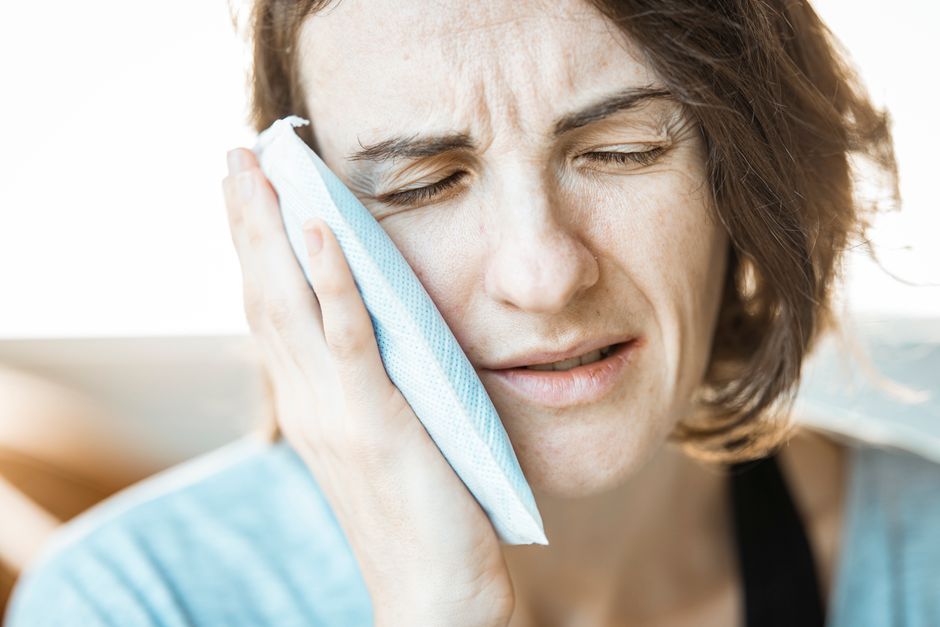
Biofreeze is a menthol-based topical gel sold for muscle and joint pain. It is not designed or clinically proven to treat nerve pain. It can create a strong cooling sensation that briefly distracts from discomfort, but it does not repair irritated nerves or change the underlying cause of neuropathy. If you have nerve pain, a cooling gel may feel soothing for a short time. It is not a treatment for the nerve itself.
That distinction matters. Nerve pain behaves differently from a sore shoulder or a strained back. Understanding why helps you judge whether a product like Biofreeze belongs in your routine at all.
What Is Biofreeze and How Does It Work?
Biofreeze’s main active ingredient is menthol. Menthol comes from mint plants, and when you apply it to skin it triggers the same receptors that respond to cold. That is why it feels icy even though the gel itself is not cold.
The cooling sensation does something real. It activates nerve endings in the skin that carry temperature and touch signals. Those signals compete with pain signals traveling to the brain. This is a well-established principle called counter-irritation, and it is the same reason rubbing a bumped elbow can feel better.
What menthol does not do is reach the deeper nerves involved in neuropathy. The tingling, burning, or shooting pain of nerve damage comes from nerves that are misfiring or damaged, often deep in tissue or along a nerve pathway. A topical gel sits on the skin surface. Its effect is on the surface nerve endings, not the damaged nerve itself.
Biofreeze products vary. Some contain menthol as the only active ingredient. Others combine menthol with other ingredients. Check the label of the specific product you are using. The cooling effect is the core of what these products do.
Why Nerve Pain Is Different From Muscle Pain
Nerve pain, also called neuropathic pain, comes from injury or dysfunction in the nervous system itself. Muscle pain usually comes from strain, overuse, or inflammation in tissue. These are different problems with different treatments.
Neuropathic pain often has a distinct character. People describe it as burning, electric, shooting, or like pins and needles. It can come with numbness, tingling, or heightened sensitivity to touch. Common causes include diabetes, certain chemotherapy drugs, shingles, spinal nerve compression, and some vitamin deficiencies.
Because the source is the nerve, treatments aim at nerve signaling. Some prescription medications calm nerve activity. Some topical treatments work by different mechanisms than menthol. A cooling gel addresses sensation at the skin, not the misfiring nerve. That gap explains why Biofreeze is not a nerve pain treatment.
Is Biofreeze Good for Nerve Pain?
There is no clinical evidence that Biofreeze treats or relieves neuropathic pain. It was not developed for that purpose, and the studies behind menthol topicals focus on muscle and joint pain, not nerve pain.
This does not mean it is useless. Some people with nerve pain find that a strong cooling sensation gives brief relief by distracting from the discomfort. That is a real experience, and it is reasonable to try if your clinician has no objection. Just be clear about what you are getting: temporary comfort, not treatment of the nerve.
Be careful with marketing language. Products sometimes imply broad pain relief. No study has confirmed that menthol gels relieve neuropathic pain specifically. If a label or seller suggests otherwise, treat that claim with skepticism.
One practical caution: nerve pain often comes with reduced skin sensation. If an area is numb, you may not feel irritation, a burn, or a reaction as quickly as you would elsewhere. Apply cautiously and check the skin afterward.





How Does Biofreeze Compare to Other Topical Options?
Not all topical pain products work the same way. Some have evidence for nerve pain; others do not. Here is how common options differ in mechanism and evidence.
| Product type | Main ingredient | How it works | Evidence for nerve pain |
|---|---|---|---|
| Biofreeze and similar cooling gels | Menthol | Cooling sensation; counter-irritation at skin surface | No clinical evidence for neuropathic pain |
| Lidocaine patch or cream | Lidocaine | Numbs nerve endings in the skin | Used clinically for some localized nerve pain; evidence varies by cause |
| Capsaicin cream | Capsaicin | Depletes pain signaling chemicals over time with regular use | Some evidence for certain types of neuropathic pain; requires consistent use and causes initial burning |
Lidocaine and capsaicin are the topicals most discussed for nerve pain, and even these are not universal solutions. Their usefulness depends on the cause and location of the pain. A clinician can help match a product to your situation. Menthol gels like Biofreeze are not in the same category.
What Actually Helps Nerve Pain?
Nerve pain is treatable, but the effective approaches work on nerve signaling, not the skin surface. Treatment usually starts with addressing the underlying cause where possible, such as managing blood sugar in diabetes or relieving nerve compression.
Medications used for neuropathic pain include certain antidepressants and certain anti-seizure drugs, which calm abnormal nerve firing. These are prescription treatments with real side effects, and they do not work for everyone. Some people need to try more than one. This is a conversation for your clinician, not a decision to make alone.
Other approaches with supporting evidence include physical therapy, certain psychological therapies for chronic pain, and in some cases nerve blocks or other procedures. The right combination depends on your diagnosis.
If you have nerve pain, the most useful step is getting a clear diagnosis. Nerve pain has many causes, and the cause shapes the treatment. A cooling gel does not change that.
Can You Use Biofreeze Alongside Other Treatments?
Many people use Biofreeze as an add-on rather than a replacement. That is a reasonable way to think about it, with a few cautions.
- Do not apply it over broken skin, wounds, or rashes.
- Avoid contact with eyes and mucous membranes.
- Do not wrap the area tightly or apply heat over the gel.
- Check with your clinician before using it if you have sensitive skin or reduced sensation in the area.
- Follow the product label for how often to apply it.
Biofreeze should not replace treatments your clinician has prescribed for nerve pain. If you are using it because your current treatment is not working, tell your clinician rather than relying on the gel alone.
The Bottom Line on Biofreeze and Nerve Pain
Biofreeze is a cooling gel with a real but surface-level effect. It can distract from discomfort for a short time. It does not treat nerve damage or the misfiring that causes neuropathic pain, and no clinical evidence supports it for that use.
Your nerve pain is real, and it deserves a treatment plan built for it. Trying a cooling gel is low-risk for most people and may offer brief comfort. But if nerve pain is affecting your life, the more important step is talking with a clinician about diagnosis and evidence-based options. That is where real relief is more likely to come from.
Frequently Asked Questions
Does Biofreeze help nerve pain?
No clinical evidence shows that Biofreeze relieves nerve pain. It may provide brief distraction through a cooling sensation, but it does not treat the nerve itself.
What is the best topical for nerve pain?
Lidocaine and capsaicin are the topicals most often discussed for nerve pain, though their usefulness depends on the cause and location. A clinician can help you decide whether either fits your situation.
Can I use Biofreeze every day?
Follow the product label for how often to apply it. If you find yourself needing it daily for ongoing pain, that is a signal to talk with a clinician about the underlying cause.
Why does Biofreeze feel like it helps if it doesn’t treat nerves?
The menthol creates a strong cooling sensation that competes with pain signals at the skin surface. That temporary distraction can feel like relief without changing the nerve problem underneath.
