
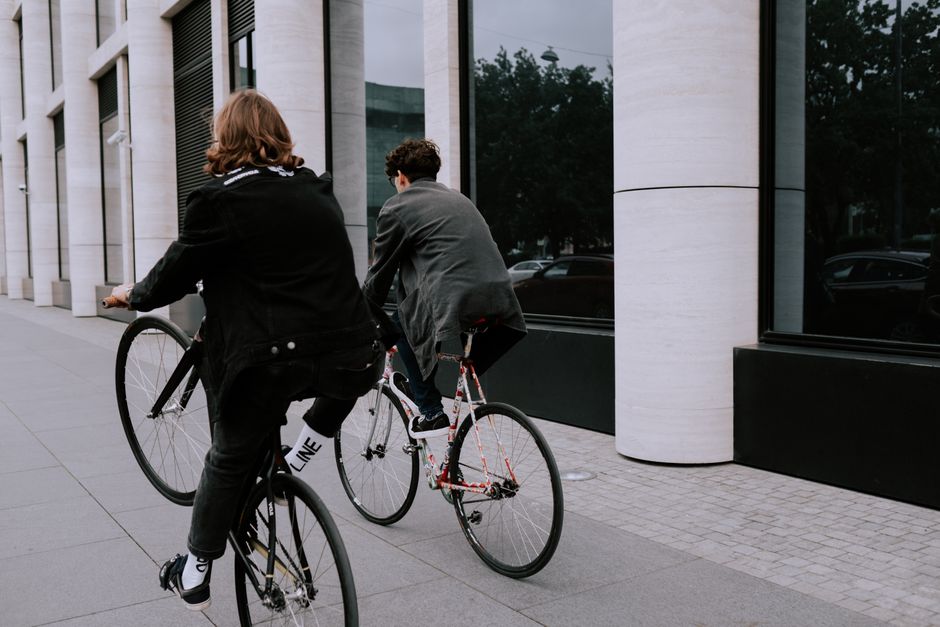
Lower back pain is one of the most common reasons adults see a doctor, and it is also one of the most common reasons people stop moving. Biking can be good for lower back pain, but the answer depends on the type of bike, your position on it, and the cause of your pain. Cycling is generally easier on the spine than running because it is low impact, yet the forward-leaning posture of a road bike can aggravate certain back problems. The research on cycling and back pain is limited, so the honest take is this: biking helps some people, hurts others, and the difference usually comes down to fit and diagnosis.
Is Biking Good for Lower Back Pain?
For many people with nonspecific lower back pain, cycling is a reasonable activity. The spine tolerates it well because there is no repeated pounding of the feet against the ground. The seat carries most of your body weight, so the load on the lower back is lower than during standing or walking.
That said, “good” is not the same as “always good.” A 2019 review of cycling and low back pain found that the evidence is thin. Most studies are small, and many look at recreational cyclists rather than people with an existing back problem. We cannot say from research that biking treats back pain. We can say it is often tolerated, and for some people it helps them stay active when other exercise hurts.
The clearest risk is posture. On a road bike, your spine is flexed forward for long stretches. That position can compress the lower back and load the discs. If your pain flares when you bend forward, a road bike may not be your friend. If your pain eases with gentle movement, it might be.
How Does Cycling Affect the Lower Back?
The lower back is not just bone. It is a stack of vertebrae, discs between them, joints at the back of each vertebra, and a web of muscles and ligaments. Cycling asks all of these to hold a position, often for an hour or more.
Two things happen at once. First, the seat takes your weight, which reduces the load that gravity puts on the spine compared with standing. Second, the forward lean lengthens the muscles that run along your spine and shortens the hip flexors. Over time, tight hip flexors can tilt the pelvis and change how the lower back moves.
The discs themselves are a common source of confusion. Discs have no blood supply in adults. They get nutrients through movement and changes in pressure. Some clinicians argue that gentle, regular motion helps disc health. That is plausible biology, but it has not been proven to treat disc-related back pain in controlled trials. So treat it as a reasonable idea, not a confirmed benefit.
What Type of Bike Is Best for Lower Back Pain?
Upright bikes put the spine in a more neutral position. That usually means less strain on the lower back. A hybrid, a cruiser, or a recumbent bike lets you sit more vertically. A recumbent bike, where you recline and pedal forward, takes pressure off the lower back and the perineum. Many people with chronic low back pain find recumbent cycling the most comfortable option.
Road bikes and racing bikes force a deeper forward lean. That position is aerodynamic and fast, but it is hard on a sensitive back. If you already own a road bike and want to keep riding, a professional bike fit can raise the handlebars, shorten the reach, and change the saddle angle. Those changes reduce how far your spine has to bend.
Stationary bikes are a mixed bag. A recumbent stationary bike is often the easiest starting point. An upright stationary bike with a wide, padded seat can work too, but many people lean on the handlebars and round their lower back without noticing. The bike does not matter as much as the position you hold on it.





How to Set Up Your Bike to Protect Your Back
Bike fit is the single most practical thing you can change. A poor fit can create back pain in someone who has never had it. A good fit can make riding possible for someone who thought they had to quit.
- Saddle height: With your heel on the pedal at the bottom of the stroke, your knee should be almost straight. Too low and your pelvis rocks side to side, which irritates the lower back.
- Saddle angle: A slight downward tilt or a level saddle reduces pressure. A nose-up saddle pushes your pelvis back and rounds your spine.
- Handlebar height: Raising the bars brings your torso more upright and takes load off the lower back. This is often the fastest fix.
- Reach: If you have to stretch to reach the bars, your lower back pays for it. A shorter stem or a swept-back bar can help.
- Stand up often: Shift out of the saddle every 10 to 15 minutes to change the load on your spine.
These are general principles, not a prescription for any one person. If your pain is significant, a physical therapist or a certified bike fitter who understands back issues is worth the cost.
When Should You Not Bike With Lower Back Pain?
Some back pain needs a doctor before it needs a bike. Seek medical care if you have pain that shoots down your leg, numbness or weakness in your leg or foot, loss of bladder or bowel control, or pain after a fall or accident. Those signs can point to a nerve problem or a fracture, and exercise is not the answer until they are checked.
Beyond red flags, the pattern of your pain matters. If bending forward makes your pain worse and you feel it most in your lower back or buttock, cycling may not suit you. If your pain is worse with sitting and better with walking, a recumbent bike may still be fine because it changes the angle of your hips. If your pain is worse in the morning and eases as you move, gentle cycling later in the day may be tolerable.
There is no rule that says you must bike. Walking, swimming, and water aerobics are also low impact, and the evidence for general exercise in chronic low back pain is stronger than the evidence for cycling specifically. The best exercise is usually the one you can do consistently without making things worse.
What Does the Research Actually Show?
Here is the honest state of the evidence. Cycling is widely recommended as a low-impact option, but the research base is small. Most studies look at whether cycling causes back pain in riders, not whether it treats back pain in patients. Systematic reviews have found few high-quality trials, and the results are mixed.
What we do know comes from broader exercise research. Regular physical activity is one of the few things consistently linked to better outcomes in chronic low back pain. The type of activity matters less than doing it regularly and avoiding positions that provoke symptoms. Cycling fits that framework for some people and not others.
Be skeptical of any claim that a specific bike, saddle, or cycling program cures back pain. No large human trial has confirmed that. What has been shown is that staying active, generally, helps. Biking is one way to stay active. It is not a treatment.
Frequently Asked Questions
Is biking bad for lower back pain?
It can be, especially on a road bike that forces a deep forward lean. If bending forward makes your pain worse, cycling may aggravate it rather than help.
What is the best bike for lower back pain?
A recumbent bike is usually the most back-friendly because it supports your spine in a reclined position. An upright hybrid or cruiser is often a good second choice.
Can cycling make lower back pain worse?
Yes. Poor bike fit, a low saddle, or long rides in a rounded position can increase strain on the lower back. Adjusting fit or switching to a more upright bike often helps.
Should I bike if I have a herniated disc?
Ask your doctor or physical therapist first. Some people with a herniated disc tolerate cycling well, but the forward-flexed position can worsen symptoms for others.
