
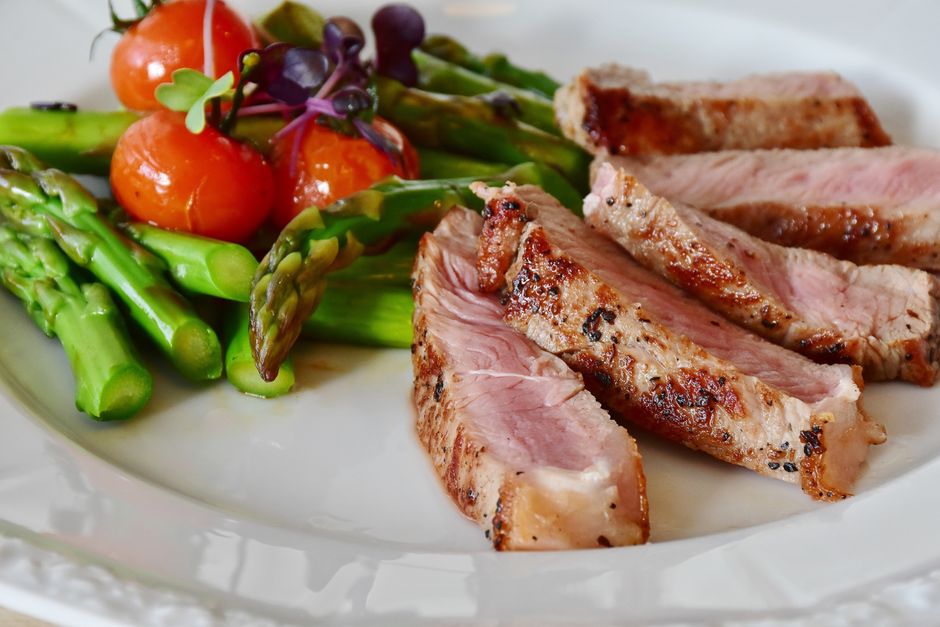
Beef steak can be a helpful food for weight loss when eaten in the right portions and prepared without heavy sauces or excess oil. It is high in protein which helps you feel full longer and supports muscle maintenance during calorie restriction. However not all steak is equal for weight loss goals and how you cook it matters just as much as the cut you choose.
How Does Beef Steak Support Weight Loss?
Protein is the most filling macronutrient. Research shows that high-protein meals reduce hunger hormones and increase satiety hormones. This means you eat fewer calories later in the day without feeling deprived. A 3-ounce serving of beef steak provides about 25 grams of protein depending on the cut.
Protein also has a higher thermic effect than carbs or fat. Your body burns more calories digesting and processing protein. Studies have found that protein increases metabolic rate by 15-30 percent compared to 5-10 percent for carbohydrates and 0-3 percent for fat. This is not a huge effect but it adds up over time.
Beef steak also provides iron zinc and B vitamins. These nutrients support energy metabolism and thyroid function. When you eat fewer calories for weight loss your body needs these nutrients to keep your metabolism running efficiently. Iron deficiency is common in people cutting calories especially women.
What Cuts of Beef Steak Are Best for Weight Loss?
Not all steak is the same. The fat content varies a lot between cuts. Leaner cuts give you the protein without the extra calories from fat. A 3-ounce serving of sirloin steak has about 160 calories and 7 grams of fat. The same size serving of ribeye has about 270 calories and 18 grams of fat.
The difference of 110 calories per serving adds up fast if you eat steak several times a week. That is roughly the same as a small apple and a tablespoon of peanut butter. Over a month it could mean an extra pound of body fat if you are not accounting for it.
| Cut of Steak | Calories (3 oz cooked) | Fat (grams) | Protein (grams) |
|---|---|---|---|
| Sirloin | 160 | 7 | 26 |
| Flank | 175 | 8 | 25 |
| Tenderloin | 180 | 9 | 24 |
| Strip | 200 | 12 | 23 |
| T-bone | 220 | 14 | 22 |
| Ribeye | 270 | 18 | 23 |
The USDA defines lean beef as having less than 10 grams of total fat per 3-ounce serving. Sirloin flank and tenderloin all qualify. Look for cuts labeled “loin” or “round” at the store. These come from the parts of the cow that get more exercise so they are naturally leaner.
Does Red Meat Cause Weight Gain or Health Problems?
This is where the evidence gets more complicated. Some studies have linked red meat consumption to weight gain over time. But the research does not show that beef steak itself causes weight gain. The issue is usually the total calorie intake and what else people eat alongside the steak.
Research published in the American Journal of Clinical Nutrition found that when people ate red meat as part of a controlled diet with the same calories they did not gain more weight than people who ate poultry or fish. The calories matter more than the source of protein for weight loss.
The health concerns about red meat are real though. The World Health Organization classifies processed red meat as a carcinogen and unprocessed red meat as probably carcinogenic. This is based on colon cancer risk. The risk increases with higher intake especially processed meats like bacon and sausage.
For weight loss purposes the cancer risk does not mean you should avoid steak entirely. It means you should eat it in moderation. The American Institute for Cancer Research recommends limiting red meat to no more than 18 ounces cooked per week. That is roughly three 6-ounce servings or four 4.5-ounce servings.




How Should You Cook Steak for Weight Loss?
Cooking method changes the calorie count more than most people realize. Grilling broiling or pan-searing with minimal oil keeps calories low. Frying in butter or oil adds 100-200 calories per tablespoon. A steak cooked in two tablespoons of butter has as many extra calories as a small side of rice.
Marinades are fine for weight loss if they are not sugar-heavy. A simple marinade of vinegar mustard herbs and a small amount of oil adds flavor for very few calories. Bottled steak sauces and marinades often have added sugar and can add 60-80 calories per serving.
- Grill or broil instead of pan-frying in butter
- Use a nonstick pan and cooking spray instead of oil
- Season with salt pepper garlic and herbs instead of sugary sauces
- Trim visible fat before cooking to save about 50 calories per serving
- Let the steak rest after cooking to keep it juicy without adding fat
Portion size is the most important factor. A proper serving of steak for weight loss is 3-4 ounces cooked. This is roughly the size of a deck of cards. Many restaurant steaks are 8-12 ounces which is two to three servings. If you eat out ask for a half portion or plan to take half home.
Does Beef Steak Help Build Muscle While Losing Fat?
Yes and this is one of the strongest arguments for including steak in a weight loss diet. When you eat fewer calories your body can break down muscle for energy. Eating enough protein helps prevent this. Beef steak provides all essential amino acids including leucine which is the key trigger for muscle protein synthesis.
Research shows that older adults especially benefit from higher protein intake during weight loss. A study in the Journal of Nutrition found that adults over 65 who ate more protein while losing weight lost less muscle mass compared to those who ate less protein. Beef steak is a concentrated source of high-quality protein.
Muscle tissue burns more calories at rest than fat tissue. Preserving muscle during weight loss helps keep your metabolism higher. This makes it easier to maintain weight loss long term. The CDC reports that most people who lose weight regain it within one to five years. Preserving muscle may help prevent some of that regain.
You do not need large portions to get this benefit. A 3-ounce serving of steak provides enough protein to stimulate muscle protein synthesis in most people. Eating protein spread across the day is more effective than eating it all in one meal. Aim for 20-30 grams of protein at each meal.
What Should You Eat With Steak for Weight Loss?
Steak alone is not a complete meal for weight loss. Pairing it with vegetables and a small serving of complex carbs creates a balanced plate that keeps you full for hours. Non-starchy vegetables like broccoli spinach or asparagus add volume and fiber for very few calories.
A sample weight loss plate with steak could look like this: 3 ounces of grilled sirloin 2 cups of roasted broccoli with garlic and a half cup of quinoa or sweet potato. This meal provides about 400-450 calories 35 grams of protein and 8-10 grams of fiber. It is satisfying enough to prevent snacking later.
Some people report that red meat makes them feel heavy or bloated. If this happens to you it may be the portion size or the fat content rather than the meat itself. Try a leaner cut or a smaller portion. You can also eat steak earlier in the day to give your body more time to digest it.
Frequently Asked Questions
Can I eat beef steak every day while trying to lose weight?
Eating steak every day is not recommended due to health risks from high red meat intake. Stick to 2-3 servings per week and focus on lean cuts.
Is grass-fed beef steak better for weight loss than grain-fed?
Grass-fed beef has slightly fewer calories and more omega-3 fats but the difference is small. The calorie difference is about 20-30 per serving.
Does the way I season steak affect weight loss?
Seasoning with herbs spices salt and pepper adds no calories. Avoid sugary marinades and bottled sauces which add hidden calories.
Should I eat steak before or after a workout for weight loss?
Either timing works as long as it fits your total daily protein and calorie goals. Post-workout steak helps repair muscle but is not necessary.
