
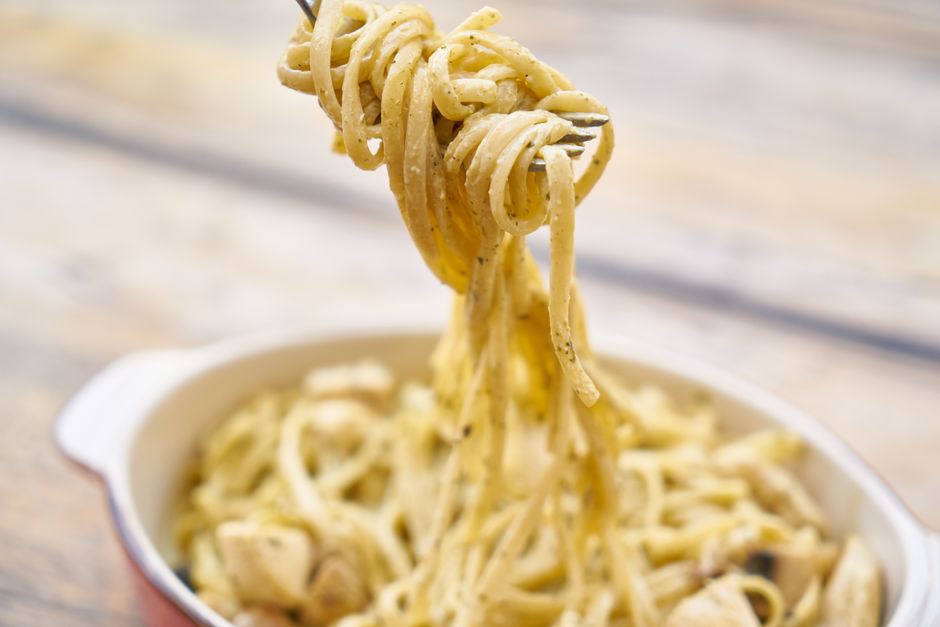
Banza pasta is a chickpea-based pasta that is generally healthier than traditional wheat pasta. It provides significantly more protein and fiber, and it has a lower impact on blood sugar. However, it is still a processed food, and its health value depends on how it fits into your overall diet.
What Is Banza Pasta Made Of?
Banza is made primarily from chickpeas, also known as garbanzo beans. The company uses chickpea flour as the main ingredient, along with tapioca and pea protein. These ingredients help the pasta hold its shape and give it a texture closer to wheat pasta.
Chickpeas are a legume. Legumes are naturally rich in plant protein and fiber. This is the foundation of why Banza has a different nutritional profile than standard semolina pasta.
How Does the Nutrition Compare to Regular Pasta?
The nutritional differences between Banza and traditional pasta are substantial. For a standard two-ounce serving, the differences are clear in protein, fiber, and carbohydrates.
| Nutrient (per 2 oz dry) | Banza Chickpea Pasta | Regular Wheat Pasta |
|---|---|---|
| Calories | ~190 | ~200 |
| Protein | ~14 grams | ~7 grams |
| Fiber | ~8 grams | ~3 grams |
| Net Carbs | ~23 grams | ~37 grams |
| Iron | ~20% DV | ~10% DV |
These numbers come from standard USDA food data and the nutrition labels published by the manufacturer. The protein in Banza is roughly double that of wheat pasta. The fiber is more than double. The net carbohydrate count is noticeably lower because much of the carbohydrate in chickpeas is fiber, which the body does not digest.
This makes Banza a more filling option. Protein and fiber both slow digestion and promote satiety. People often feel fuller after eating a smaller portion of Banza compared to wheat pasta.
Is Banza Pasta Healthy for Blood Sugar?
Banza has a lower glycemic index than traditional pasta. The glycemic index measures how quickly a food raises blood glucose levels. Foods with a lower glycemic index cause a slower, more gradual rise in blood sugar.
The high fiber content in chickpeas is the main reason for this effect. Fiber slows the breakdown of carbohydrates into sugar. The protein content also contributes by slowing gastric emptying.
Some research suggests that legume-based pastas produce a significantly lower blood sugar response than wheat pasta in the hours after a meal. This is particularly relevant for people with type 2 diabetes or prediabetes. It is not a cure or a treatment, but it is a better carbohydrate choice when compared side by side with regular pasta.
Does Banza Pasta Have Any Downsides?
Banza is not a perfect food. It is still a processed product. The chickpeas are milled into flour and formed into pasta shapes. This processing does not remove the protein or fiber, but it does change how the food behaves in your body compared to eating whole chickpeas.
Some people notice a difference in taste and texture. Banza has a slightly nutty flavor and a denser bite than wheat pasta. It can also become mushy if overcooked. Cooking it for the minimum time stated on the package and rinsing it after draining helps maintain a better texture.
Digestive discomfort is another consideration. The high fiber content can cause gas or bloating in people who are not used to eating a lot of fiber. This is not a health risk, but it is a real side effect. Gradually increasing fiber intake and drinking plenty of water can help reduce this.
Cost is also a factor. Banza is typically more expensive than conventional wheat pasta. For some families, this price difference matters. Whether the nutritional upgrade justifies the cost is a personal decision.
Is Banza Pasta a Complete Protein?
No. Banza is not a complete protein on its own. A complete protein contains all nine essential amino acids in adequate amounts. Animal products like meat, eggs, and dairy are complete proteins.
Most plant proteins are incomplete. Chickpeas are low in the amino acid methionine. However, this is not a practical concern for most people. The idea that you need to combine plant proteins at every meal has been largely debunked. Your body pools amino acids from foods eaten over the course of a day.
If you eat a varied diet that includes grains, nuts, seeds, or other legumes, you will get all the essential amino acids you need. Banza is a healthy protein source, but it should not be treated as a direct substitute for animal protein in terms of amino acid completeness.
Is Banza Pasta a Good Choice for Weight Loss?
Banza can be helpful for weight management, but it is not magic. The higher protein and fiber content increase satiety. People tend to eat fewer calories overall when they feel full sooner.
One common mistake is eating the same portion size of Banza as regular pasta and assuming the calories are negligible. The calorie counts are similar. The benefit is in how your body processes the food, not in eating unlimited amounts.
Banza also pairs well with vegetables and lean proteins. A bowl of Banza with roasted vegetables and grilled chicken is a balanced meal. The pasta itself is not the whole picture. What you add to it matters just as much.
No single food causes weight loss. Banza is simply a more nutrient-dense carbohydrate option than refined wheat pasta. That distinction is useful, but it does not replace overall calorie control.
What About Gluten and Allergies?
Banza is gluten-free. This makes it a safe option for people with celiac disease or non-celiac gluten sensitivity. It is made from chickpeas, not wheat, so it does not contain gluten proteins.
However, Banza is not suitable for people with a chickpea allergy or a legume allergy. Chickpeas belong to the legume family, which also includes peanuts and soy. People with severe peanut allergies should be cautious and check with their doctor before trying chickpea pasta.
Cross-contamination is also a consideration. Banza is processed in facilities that may handle other allergens. The company states its manufacturing practices, but people with severe allergies should always read the label carefully.
Is Banza Pasta Healthier Than Other Legume Pastas?
Banza is one of several legume-based pastas on the market. Red lentil pasta, black bean pasta, and edamame pasta are also available. Each has a slightly different nutritional profile.
Red lentil pasta is similar to Banza in protein and fiber content. It has a milder taste and a softer texture. Black bean pasta is higher in fiber but has a stronger, earthier flavor. Edamame pasta is made from soybeans and has a higher protein content than Banza.
There is no single “best” legume pasta. The differences are small. The best choice is the one you will actually eat and enjoy. If you prefer the taste and texture of Banza, it is a perfectly reasonable option.
Should You Eat Banza Pasta Every Day?
Eating Banza every day is fine for most people. There is no evidence that daily consumption causes harm. The fiber content is beneficial, and the protein helps with satiety.
Variety still matters. Whole chickpeas, lentils, beans, and other legumes offer different nutrient profiles. Rotating between Banza, whole grains, and other plant proteins gives you a broader range of nutrients.
The bigger question is what you put on the pasta. A heavy cream sauce with processed meat adds fat, sodium, and calories. A tomato-based sauce with vegetables and olive oil keeps the meal balanced. The pasta is a vehicle for the rest of the meal.
Frequently Asked Questions
Is Banza pasta good for weight loss?
Banza can support weight loss because its protein and fiber increase fullness, which may help you eat fewer calories. It is not a low-calorie food, so portion control still matters.
Does Banza pasta taste like regular pasta?
Banza has a slightly nutty flavor and a firmer, denser texture than wheat pasta. Many people find it close enough, but it is not identical to traditional pasta.
Can people with diabetes eat Banza pasta?
Yes, Banza is generally a better choice than wheat pasta for people with diabetes because it causes a slower rise in blood sugar. Portion size and what you add to the pasta still affect your glucose response.
Is Banza pasta safe for people with celiac disease?
Yes, Banza is gluten-free and safe for people with celiac disease. Always check the label for cross-contamination warnings if you are highly sensitive.
