
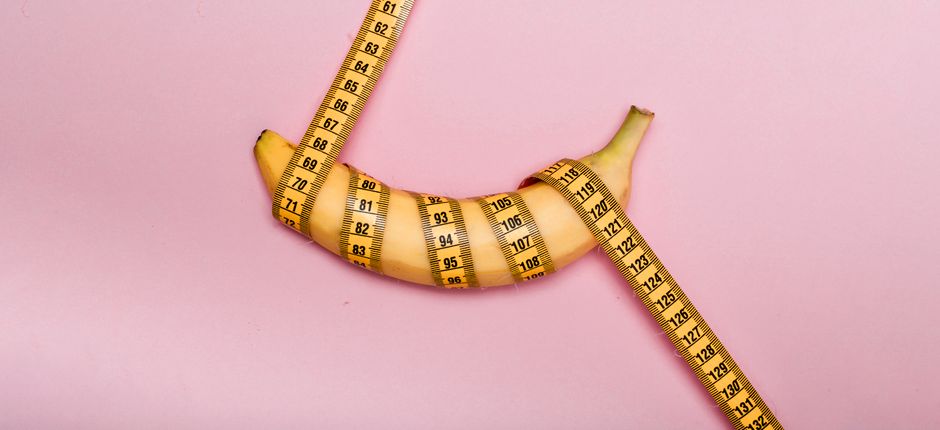
Bananas are one of the most popular fruits in the United States, but their reputation in the weight loss world is complicated. The short answer is yes, bananas can be part of a weight loss diet. They are not a magic food that burns fat, and they are not a food that automatically causes weight gain. What matters most is how they fit into your total daily calorie intake and your overall eating pattern.
How Many Calories Are in a Banana?
A medium banana that is about 7 to 8 inches long contains roughly 105 calories. It has about 27 grams of carbohydrates, 3 grams of fiber, and 1 gram of protein. Bananas contain almost no fat.
For comparison, a medium apple has about 95 calories and a cup of grapes has about 104 calories. Bananas are not unusually high in calories compared to other fruits. The idea that bananas are fattening comes from their carbohydrate content, but carbohydrates are not inherently fattening when consumed within your energy needs.
One important detail is portion size. A large banana can be 9 inches or longer and contain 120 to 135 calories. If you eat several large bananas daily on top of a full diet, the calories add up. But one banana as a snack or part of a meal is a reasonable choice for most people trying to lose weight.
Does the Sugar in Bananas Matter for Weight Loss?
A medium banana contains about 14 grams of naturally occurring sugar. This is not the same as added sugar found in sodas, candy, or baked goods. Natural sugar in whole fruit comes packaged with fiber, water, and various micronutrients.
The fiber in bananas slows digestion. This means the sugar enters your bloodstream more gradually than it would from a sugary drink. A slower rise in blood sugar helps you feel full longer and may reduce cravings for additional snacks shortly after eating.
One thing to know is that green bananas have more resistant starch, a type of fiber that your body does not fully digest. Riper bananas have less resistant starch and more simple sugar. Both green and yellow bananas can fit into a weight loss plan, but green bananas may be slightly more filling per calorie due to the resistant starch content.
Can Bananas Help Control Appetite?
Fiber and water are two components that help food promote fullness. Bananas contain both. A medium banana provides about 3 grams of fiber, which is roughly 10 percent of the daily recommended intake for adults.
Some research suggests that eating fruit before or with a meal can increase satiety and reduce total calorie intake at that meal. Bananas are not uniquely better than other fruits for this purpose. Apples, oranges, and berries also provide fiber and water that support fullness.
The practical takeaway is that a banana can serve as a satisfying snack that prevents you from reaching for processed, high-calorie options. Swapping a 300-calorie granola bar for a 105-calorie banana creates a calorie deficit that supports weight loss over time.





Is Banana Helpful For Weight Loss Compared to Other Carbs?
Bananas are a carbohydrate food, but they are a whole food carbohydrate. This distinguishes them from refined carbohydrates like white bread, white rice, and sugary cereals.
Whole food carbohydrates generally have more fiber, more water, and fewer calories per gram than refined carbohydrates. They also require more chewing, which gives your body time to register fullness. A banana is more nutrient-dense than an equal-calorie portion of white bread or crackers.
Bananas also provide potassium, vitamin B6, vitamin C, and magnesium. These nutrients support normal body functions but do not directly cause weight loss. The benefit is that you get these nutrients without consuming empty calories.
If you are choosing between a banana and a processed carbohydrate snack, the banana is the better choice for weight management. If you are choosing between a banana and broccoli, the broccoli is lower in calories but the banana is still a healthy option.
Are There Any Downsides to Eating Bananas for Weight Loss?
Bananas are not suitable for everyone in unlimited amounts. People with diabetes or prediabetes need to account for the carbohydrate content in bananas as part of their meal plan. Pairing a banana with a source of protein or fat, such as peanut butter or Greek yogurt, can help blunt the blood sugar response.
People following very low carbohydrate or ketogenic diets may find bananas difficult to fit into their daily carbohydrate limit. A single medium banana contains about 27 grams of carbs, which may exceed the entire daily allowance on strict keto protocols.
There is also the question of dried bananas or banana chips. These products are very different from fresh bananas. Banana chips are often fried and coated in sugar or honey, which significantly increases their calorie content. A small handful of banana chips can contain more calories than two fresh bananas. If you are trying to lose weight, choose fresh bananas over processed banana products.
What Is the Best Way to Eat Bananas for Weight Loss?
There is no single best way, but some approaches are more helpful than others. Eating a banana alone as a snack is fine. Eating a banana with a protein source may keep you full for longer because protein is the most satiating macronutrient.
Some practical options include slicing a banana over plain Greek yogurt, blending half a banana into a smoothie with spinach and protein powder, or spreading a thin layer of peanut butter on banana slices. These combinations add protein and healthy fats that slow digestion further.
Timing does not matter greatly for weight loss. The idea that eating bananas at night causes weight gain is not supported by evidence. Weight change is determined by total calorie balance over time, not by when you eat a specific fruit.
What matters more is your overall dietary pattern. A diet rich in whole fruits, vegetables, lean proteins, and whole grains supports weight loss better than any single food choice. Bananas can be a regular part of that pattern without concern.
How Many Bananas Can You Eat Per Day While Losing Weight?
There is no official guideline that sets a maximum number of bananas per day. The USDA recommends that adults eat about 2 cups of fruit per day. One medium banana counts as roughly 1 cup of fruit.
For most people, one to two bananas per day fits comfortably within a balanced diet. Eating more than that is not necessarily harmful, but it may displace other foods that provide nutrients bananas lack, such as protein and fat.
If you are eating bananas to satisfy a sweet craving, one banana is usually enough. If you find yourself eating several bananas daily and struggling to lose weight, track your total calories for a few days to see where you actually stand. The banana may not be the problem, but the total amount of food you eat could be.
Do Bananas Cause Belly Fat?
No food specifically causes belly fat. Belly fat accumulation is driven by overall excess calorie intake, genetics, hormones, and activity level. Bananas do not contain any compound that targets fat storage in the abdominal area.
This myth likely comes from the carbohydrate content of bananas. When you eat more carbohydrates than your body needs for energy, the excess can be stored as fat. But this applies to all carbohydrates, not just bananas. Eating bananas within your calorie needs does not promote belly fat.
In fact, some research suggests that higher fruit intake is associated with lower body weight and less abdominal fat. Fruits like bananas can replace higher-calorie snacks and desserts, which supports a calorie deficit over time.
Frequently Asked Questions
Is it good to eat bananas at night for weight loss?
Yes, eating a banana at night is fine for weight loss. Weight change depends on total daily calorie balance, not the time of day you eat fruit.
Can eating too many bananas prevent weight loss?
Yes, eating excessive amounts of any food can prevent weight loss if it pushes your total calorie intake above your energy needs. One to two bananas daily is a reasonable amount for most adults.
Are green bananas better than ripe bananas for weight loss?
Green bananas contain more resistant starch, which may make them slightly more filling, but both green and ripe bananas can fit into a weight loss diet. The difference is small and does not determine your overall results.
Do bananas spike blood sugar and cause weight gain?
Bananas raise blood sugar less than refined sugary foods because they contain fiber that slows digestion. They do not cause weight gain unless you eat them in amounts that exceed your daily calorie needs.
