
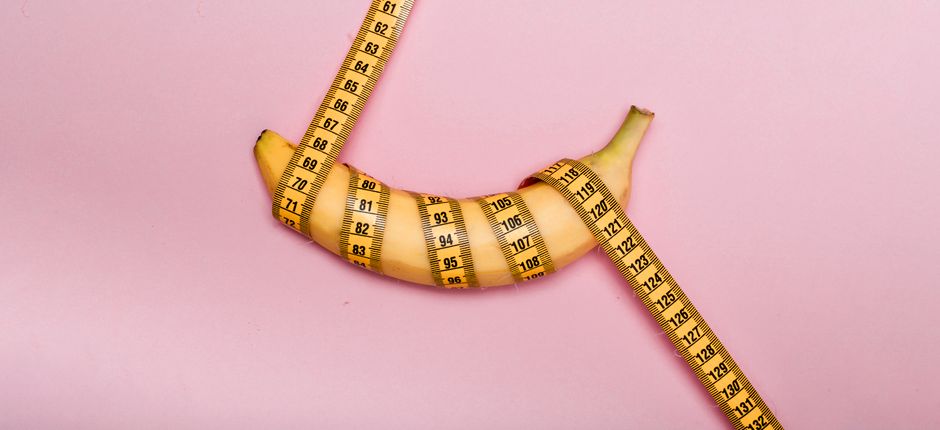
Yes, a banana can fit into a weight loss plan. It is a nutrient-dense fruit with about 105 calories in a medium-sized one, and no single food causes weight gain or weight loss on its own. What matters is your total calorie intake, your overall diet quality, and how the banana fits into your day.
Bananas have a complicated reputation in diet culture. Some people treat them as a health food. Others cut them out entirely because of their sugar and carbohydrate content. Both views are too simple. The honest answer is that bananas are neither a magic weight loss food nor a food you need to avoid. They are a real food with real nutritional value, and whether they help or hurt depends on context.
Is Banana Good To Lose Weight?
A banana is a reasonable food to include in a weight loss diet, but it is not a weight loss food by itself. No clinical evidence shows that eating bananas directly causes fat loss. What the evidence does show is that diets built around whole fruits, vegetables, and fiber tend to support healthier body weight over time compared with diets high in refined carbohydrates and added sugar.
A medium banana provides roughly 105 calories, 27 grams of carbohydrate, about 3 grams of fiber, and around 422 milligrams of potassium, according to USDA nutritional data. It also contains vitamin B6, vitamin C, and small amounts of magnesium. For a food that comes in its own packaging and requires no preparation, that is a solid nutritional return.
The concern people raise is sugar. A banana contains natural sugars — roughly 14 grams in a medium fruit. Natural sugar in whole fruit is not the same as added sugar. The fiber in the fruit slows digestion and affects how quickly glucose enters the bloodstream compared with a sugary drink or candy bar. That difference matters for appetite and blood sugar control.
Where bananas become a problem for weight loss is not the fruit itself. It is the pattern around it. Banana bread, banana smoothies loaded with sweeteners, fried banana snacks, and banana chips with added sugar and oil are very different foods. A medium banana is around 105 calories. A slice of banana bread can easily exceed 300. A cup of banana chips can approach 500. The fruit is not the issue in those cases.
How Many Calories Are in a Banana?
Calorie content varies with size, and the difference between a small and a large banana is meaningful if you are tracking intake. The following figures come from USDA nutritional data for raw bananas.
| Size | Approximate Weight | Calories | Carbohydrate | Fiber |
|---|---|---|---|---|
| Small (6–7 inches) | 101 g | 90 | 23 g | 2.6 g |
| Medium (7–8 inches) | 118 g | 105 | 27 g | 3.1 g |
| Large (8–9 inches) | 136 g | 121 | 31 g | 3.5 g |
| Extra large (9 inches or longer) | 152 g | 135 | 35 g | 3.9 g |
Ripeness changes the picture slightly. As a banana ripens, some of its starch converts to sugar. A very ripe banana tastes sweeter and may raise blood glucose a bit faster than a less ripe one. The total calorie count stays essentially the same. This distinction matters more for people managing blood sugar than for weight loss specifically.
One clarification worth making: the glycemic index of bananas varies widely depending on ripeness. An underripe banana can have a glycemic index in the moderate range, while a very ripe one can be higher. Glycemic index is a research tool, not a practical guide for most people. The fiber, potassium, and overall nutrient package of a banana does not change enough across ripeness stages to justify avoiding ripe bananas for weight reasons.
Does Banana Sugar Cause Weight Gain?
Sugar from whole fruit does not cause weight gain in the way added sugar does. The distinction is not marketing language — it reflects real differences in how the body processes these foods.
When you eat a banana, you consume sugar packaged with fiber, water, potassium, and micronutrients. The fiber slows gastric emptying and blunts the spike in blood glucose compared with, say, a glass of orange juice or a soda. That slower release affects hunger signals and tends to make the food more satisfying per calorie.
Added sugar is different. It arrives without fiber, often in liquid form, and is easy to consume in large amounts quickly. Research consistently links high intake of added sugar — particularly from sugar-sweetened beverages — with weight gain and higher risk of type 2 diabetes. Whole fruit intake shows the opposite pattern in most observational studies.
The World Health Organization recommends limiting free sugars — sugars added to foods and drinks, plus those naturally present in honey, syrups, and fruit juices — to less than 10 percent of total energy intake, with additional health benefits suggested below 5 percent. Note that whole fruit is not included in the definition of free sugars. That is a meaningful distinction for anyone worried about banana sugar.
Some people with insulin resistance or type 2 diabetes may find that bananas affect their blood glucose more noticeably. That is a blood sugar management question, not a weight loss question, and it is worth discussing with a clinician rather than eliminating fruit based on internet advice.





Why Bananas Can Help With Appetite Control
Fiber and water content are the two main reasons a banana can help you eat less overall. A medium banana has about 3 grams of fiber and roughly 75 percent water by weight. Both contribute to a feeling of fullness.
Fiber is the more studied of the two. Higher fiber intake is associated with lower body weight and reduced risk of weight gain in large observational studies. The mechanism is not fully settled, but several factors are involved. Fiber slows digestion, affects satiety hormones, and adds bulk to meals without adding many calories.
A banana is not a high-fiber food in absolute terms. At 3 grams per medium fruit, it contributes to daily fiber intake but does not dominate it. The recommended daily fiber intake for adults is generally cited as 25 to 30 grams or more, depending on sex and age. A banana provides roughly 10 percent of that. Useful, not transformative.
What a banana does well is replace worse options. If a banana takes the place of a pastry, a candy bar, or a sugary cereal, the calorie and fiber math improves immediately. If a banana is added on top of an already high-calorie diet, it does not. This is not a subtle point. Most food-level questions in nutrition come down to substitution, not addition.
When Bananas Might Work Against Weight Loss
Bananas can work against weight loss in a few specific situations. None of them involve the fruit being inherently fattening.
- Calorie surplus. If your total intake exceeds what you burn, adding bananas — or any food — contributes to weight gain. A banana is 105 calories. Three bananas is over 300.
- Processed banana products. Banana chips, banana bread, banana muffins, and many banana smoothies contain added sugar, oil, or both. The calorie load is far higher than the fruit.
- Liquid forms. A banana blended into a smoothie with juice, honey, and yogurt can turn a 105-calorie snack into a 400-calorie drink that does not satisfy hunger the way solid food does.
- Individual blood sugar response. Some people experience larger glucose swings after eating bananas, particularly very ripe ones. This does not directly cause weight gain, but it can affect appetite and energy for some individuals.
The pattern across all four points is the same. The banana is not the problem. The context is.
How to Include Bananas in a Weight Loss Diet
There is no clinical guideline that specifies how many bananas a person should eat for weight loss. No such guideline exists because the question is not answerable in isolation. What matters is how bananas fit into your total daily intake and what they replace.
A few practical principles hold up well against the evidence:
- Eat bananas as whole fruit rather than in processed or liquid form when possible.
- Pair a banana with protein or fat — nut butter, plain yogurt, eggs — to slow digestion and improve satiety.
- Use a banana as a replacement for a less nutritious snack, not as an addition to an already full day of eating.
- Track portion size if you are counting calories. A large banana is about 121 calories, not 105.
- Do not eliminate bananas based on their sugar content alone. Whole fruit sugar behaves differently from added sugar.
Some popular diets — particularly very low-carbohydrate approaches — restrict bananas because of their carbohydrate content. That is a legitimate choice within that framework, but it is not evidence that bananas cause weight gain. It is a consequence of the diet’s macronutrient rules, not a property of the fruit.
For most people eating a mixed diet, a banana a day is a reasonable, nutritious choice. It is not a weight loss tool. It is a food that can be part of a diet that supports weight loss, or part of a diet that does not, depending on everything else on the plate.
Frequently Asked Questions
Can I eat a banana every day and still lose weight?
Yes, if your total calorie intake stays below what you burn. A medium banana is about 105 calories and does not prevent weight loss on its own.
Are bananas high in sugar compared to other fruits?
Bananas contain more sugar than some fruits, but the sugar is natural and packaged with fiber, which slows its absorption. This is different from added sugar in processed foods.
Is it better to eat bananas before or after a workout for weight loss?
Timing has little effect on weight loss compared with total daily calorie intake. A banana before a workout can provide quick energy; after, it can help with recovery. Neither timing directly causes fat loss.
Do ripe bananas have more calories than unripe ones?
No. Ripeness changes the ratio of starch to sugar but not the total calorie count. A medium banana is roughly 105 calories whether it is green or spotted.
