
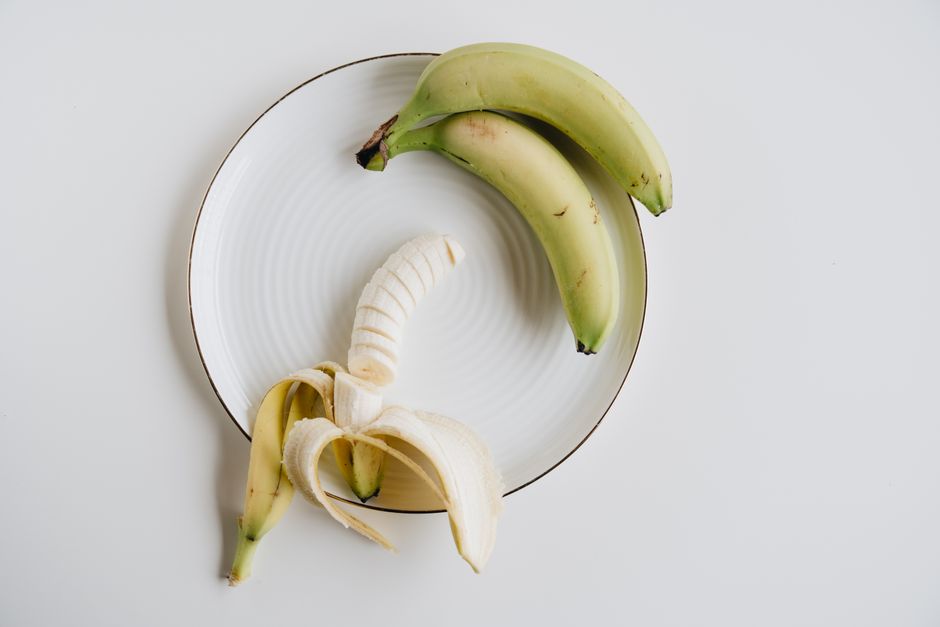
Bananas are a solid breakfast choice for most people. They provide quick energy, important nutrients like potassium and vitamin B6, and enough fiber to help you feel full for a while. The main thing to know is that bananas are mostly carbohydrates, so pairing them with a protein or a healthy fat makes for a more balanced morning meal.
What Does a Banana Actually Give You in the Morning?
A medium banana contains about 105 calories. It provides roughly 27 grams of carbohydrates, 3 grams of fiber, and about 14 grams of naturally occurring sugar. It also delivers 422 milligrams of potassium, which is about 9% of the daily value for most adults.
Bananas are one of the few fruits that contain vitamin B6 in meaningful amounts. A single medium banana provides about 20% of your daily need for this vitamin. Vitamin B6 helps your body produce neurotransmitters and supports immune function.
They also contain small amounts of magnesium, vitamin C, and manganese. None of these are huge amounts, but they contribute to your overall daily intake.
Is Banana Good For Breakfast When You Need Energy?
Bananas are a fast source of energy. The carbohydrates in a banana are a mix of sugars and starch. Your body breaks these down quickly, which raises blood sugar and provides fuel for your brain and muscles.
This makes bananas a reasonable choice before a morning workout. Some research suggests that bananas can fuel exercise as effectively as sports drinks for moderate activity. They also provide antioxidants that sports drinks do not have.
For a regular workday, the energy from a banana lasts about an hour or two. If you eat only a banana at 7 a.m., you may feel hungry again by mid-morning. That is not a problem if you plan for a snack. It is a problem if you expected the banana to carry you until lunch.
Does a Banana Spike Your Blood Sugar?
Bananas have a glycemic index of about 51 for a medium ripe banana. That is considered low to moderate. The glycemic load, which accounts for portion size, is about 13. That is also moderate.
What this means in practice: a banana will raise your blood sugar, but not as dramatically as white bread or a sugary cereal. The fiber in the banana slows digestion slightly. The ripeness matters too.
A greener banana has more resistant starch and less sugar. Resistant starch acts like fiber. It feeds the good bacteria in your gut and does not raise blood sugar much at all. A fully ripe banana with brown spots has more free sugar and raises blood sugar faster.
For people with type 2 diabetes, a banana can fit into a balanced meal plan. The key is portion size and pairing. Eating half a banana with Greek yogurt or peanut butter is very different from eating two large ripe bananas alone on an empty stomach.
Can Bananas Help With Digestion in the Morning?
Bananas are gentle on the stomach. They are one of the first foods doctors recommend when you are recovering from stomach upset. This is because they are soft, easy to digest, and contain pectin, a type of soluble fiber.
Pectin helps move food through your digestive tract. It also feeds the beneficial bacteria in your colon. A healthy gut microbiome is linked to better digestion and immune function.
One thing to know: if you are not used to eating a lot of fiber, eating several bananas quickly can cause bloating or gas. This is temporary. Your digestive system usually adapts within a week or two.
What About Eating Bananas on an Empty Stomach?
A common claim is that eating a banana on an empty stomach is harmful because of its acid content or because it causes a sudden sugar spike. This is not supported by medical evidence.
Bananas are not highly acidic. Their pH is around 4.5 to 5.2, which is similar to many other fruits. For most people, a banana on an empty stomach causes no harm. People with acid reflux sometimes report that bananas help soothe their stomach. Others find any fruit bothers them. Individual response varies.
The real issue with a banana-only breakfast is not acidity. It is the lack of protein and fat. Those two nutrients help slow digestion and keep you full longer. Without them, you may feel hungry sooner.
How to Make a Banana Breakfast More Balanced
If you enjoy bananas in the morning, keep eating them. Just add one or two other foods to round out the meal. The goal is to include protein, a little fat, and some fiber beyond what the banana provides.
Here are simple pairings that work:
- Banana slices on oatmeal with a spoonful of peanut butter
- Banana blended into a smoothie with Greek yogurt and spinach
- Half a banana with cottage cheese and a sprinkle of cinnamon
- Banana with a handful of almonds or walnuts
- Banana slices on whole-grain toast with almond butter
These combinations keep your blood sugar steadier and help you feel satisfied for three to four hours instead of one. They also add nutrients like calcium, protein, and healthy fats that a banana alone does not provide.
Are There Any Downsides to Bananas for Breakfast?
For most people, no. Bananas are a healthy fruit. But there are a few situations where you might want to be careful.
People with chronic kidney disease may need to limit potassium. If your kidneys do not filter potassium well, a high-potassium diet can be dangerous. A banana has 422 milligrams of potassium. If you have kidney disease, talk to your doctor about how much potassium is safe for you.
People with diabetes need to watch portions. A full banana has about 27 grams of carbs. That is roughly two slices of bread. If you take insulin or certain diabetes medications, you need to count those carbs. Eating half a banana or choosing a smaller, greener banana may work better for you.
People taking certain blood pressure medications called ACE inhibitors or potassium-sparing diuretics should also be mindful. These medications can raise potassium levels in the blood. Eating a banana every day is usually fine, but eating several bananas daily while on these medications could push potassium too high. This is rare, but it is worth knowing.
Is a Banana Alone Ever Enough for Breakfast?
It depends on your day. If you are having a small snack-sized breakfast and plan to eat again within two hours, a banana is fine. If you need to go four or five hours until your next meal, a banana alone will likely leave you hungry.
This is not about willpower. It is about what the food contains. A banana has about 1.3 grams of protein. That is very low. Protein is the nutrient that most strongly signals fullness. Fat also helps slow digestion. A banana has almost no fat.
If you are active, a banana before a morning workout is a good choice. The quick carbs fuel your muscles. Just have something with protein after your workout.
If you are sitting at a desk all morning, pair the banana with a hard-boiled egg, a string cheese, or a glass of milk. That small addition makes the meal much more sustaining.
Green Bananas vs. Ripe Bananas for Breakfast
The ripeness of your banana changes how your body handles it. This is one of the most useful things to know about bananas.
Green bananas are higher in resistant starch. This starch is not digested in the small intestine. It travels to the colon where bacteria ferment it. This means green bananas have a lower impact on blood sugar and feed your gut bacteria. Some people find green bananas cause more gas because of this fermentation.
Ripe bananas with yellow skin and brown spots are sweeter and easier to digest. They have more free sugars and less resistant starch. They raise blood sugar faster but are also more palatable and provide quicker energy.
Neither is better. It depends on your needs. If you want steady energy and gut support, choose greener. If you want quick energy before a workout, choose riper.
Common Myths About Bananas for Breakfast
One myth is that bananas make you gain weight. No single food causes weight gain. Weight gain happens when you consistently eat more calories than you burn. A medium banana is about 105 calories. That is not a high-calorie food.
Another myth is that bananas are too high in sugar. A medium banana has about 14 grams of sugar. For comparison, a small apple has about 15 grams. Bananas are not uniquely high in sugar among fruits. The sugar in whole fruit comes with fiber, water, and micronutrients. This is very different from added sugar in soda or candy.
A third myth is that eating bananas at night is bad. There is no evidence that the time of day affects how your body processes a banana. If a banana fits your calorie needs, you can eat it at any hour.
Frequently Asked Questions
Is it okay to eat a banana every morning?
Yes, for most healthy people, eating a banana every morning is perfectly fine. Just pair it with a protein source like eggs, yogurt, or nuts so the meal keeps you full longer.
Will a banana spike my blood sugar?
A banana will raise your blood sugar, but less than refined carbohydrates like white bread or sugary cereal. Choosing a greener banana and eating it with protein or fat reduces the blood sugar impact further.
Can I eat a banana on an empty stomach?
Yes, eating a banana on an empty stomach is safe for most people. The claim that it is harmful is not supported by medical evidence, though people with acid reflux may have individual preferences.
How many bananas should I eat for breakfast?
One medium banana is a reasonable portion for breakfast. Eating two or three bananas in one sitting adds a lot of carbohydrates and sugar without much protein or fat, which may leave you hungry soon after.
