

Bacon is hard on your stomach for most people. It is high in fat, high in sodium, and often cured with compounds that can irritate the gut lining. Fat slows stomach emptying, which can leave you feeling heavy or queasy. If you have a sensitive stomach, acid reflux, or gallbladder issues, bacon is likely to cause discomfort.
That does not mean everyone reacts the same way. Some people eat bacon regularly with no obvious problems. But the physiology explains why it causes trouble for so many. Let’s look at what actually happens when bacon hits your digestive system.
Is Bacon Easy to Digest or Hard on Your Stomach?
Bacon is hard to digest compared to lean proteins like chicken breast or fish. The main reason is fat content. A typical slice of cooked bacon delivers roughly 3 to 4 grams of fat, and a serving of three slices can provide around 10 to 12 grams. Most of that is saturated fat.
Fat takes longer to break down than protein or carbohydrates. Your stomach has to work harder and longer to process it. That means food sits in your stomach for a longer period, which can cause feelings of fullness, bloating, or nausea.
The curing process adds another layer. Bacon is typically cured with salt, nitrates or nitrites, and sometimes sugar. Sodium in high amounts can irritate the stomach lining. Some people also react to the additives used during curing.
Protein digestion itself is not the problem. Bacon does contain protein. But the fat-to-protein ratio makes it a heavy food for your digestive system to handle.
Why Does Fat Make Bacon Hard to Digest?
Fat digestion does not begin in the stomach the way protein digestion does. Your stomach produces acid and enzymes that start breaking down proteins, but fat needs bile and pancreatic enzymes to be properly digested. Those are released further down in the small intestine.
When you eat bacon, your stomach has to churn and mix the fat with gastric juices until it forms a substance called chyme. This process takes time. High-fat meals can stay in your stomach for several hours longer than low-fat meals.
Your gallbladder releases bile to emulsify the fat once it reaches the small intestine. If your gallbladder is sluggish or has been removed, this step becomes less efficient. That is why people without a gallbladder often report trouble digesting fatty foods like bacon.
Fat also triggers the release of cholecystokinin, a hormone that slows stomach emptying. This is a normal response, but it means fatty foods keep your stomach full longer. For someone with a sensitive stomach, that extended fullness can turn into discomfort.
How Does Bacon’s Sodium Content Affect Digestion?
Bacon is one of the highest-sodium foods in a typical American diet. Three slices of cooked bacon can contain 500 to 700 milligrams of sodium or more, depending on the brand and curing method. The American Heart Association recommends no more than 2,300 milligrams of sodium per day for most adults, and ideally closer to 1,500 milligrams for those with high blood pressure.
High sodium does not directly block digestion, but it can irritate the stomach lining in sensitive people. It also draws water into the digestive tract, which can lead to bloating or loose stools in some individuals.
For people with gastritis or peptic ulcers, high-sodium foods may worsen symptoms. The evidence here is not definitive, but some studies suggest that high salt intake can damage the gastric mucosa over time.




Can Bacon Trigger Acid Reflux or Heartburn?
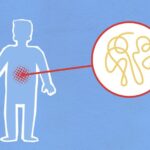
Bacon is a common trigger for acid reflux and heartburn. The combination of high fat and high sodium makes it a likely culprit.
Fat relaxes the lower esophageal sphincter, the valve between your stomach and esophagus. When that valve relaxes, stomach acid can splash upward. That causes the burning sensation known as heartburn.
Fat also slows stomach emptying, which means more acid sits in your stomach for longer. The more acid present and the longer it stays, the more opportunity there is for reflux.
If you already have gastroesophageal reflux disease, or GERD, bacon is often on the list of foods to limit or avoid. That recommendation comes from clinical practice rather than large randomized trials, but it is widely supported by gastroenterologists.
Does the Curing Process Affect How Bacon Digests?
The curing process introduces compounds that may affect digestion and gut health. Bacon is typically cured with sodium nitrite, salt, and sometimes sugar or smoke flavoring.
Nitrates and nitrites are used to preserve meat and prevent bacterial growth. When bacon is cooked at high temperatures, these compounds can form nitrosamines. Some research links nitrosamine exposure to increased cancer risk, particularly colorectal cancer. The World Health Organization classifies processed meats like bacon as Group 1 carcinogens, meaning there is sufficient evidence that they cause cancer in humans.
That classification is about long-term cancer risk, not about immediate digestion. But it is relevant context for anyone eating bacon regularly.
Some people report sensitivity to the additives in cured meats. The evidence for this is mostly anecdotal. No large clinical trials have confirmed that nitrates or nitrites directly cause digestive discomfort.
Who Is Most Likely to Have Trouble With Bacon?
Certain groups are more likely to experience digestive issues with bacon.
- People with GERD or acid reflux: High-fat foods relax the esophageal sphincter and worsen symptoms.
- People with gallbladder problems or no gallbladder: Fat digestion becomes less efficient without proper bile release.
- People with irritable bowel syndrome: High-fat and high-sodium foods are common IBS triggers.
- People with gastritis or ulcers: Sodium and fat can irritate an already inflamed stomach lining.
- People with pancreatitis: High-fat meals can trigger pain and worsen symptoms.
- Older adults: Digestive enzyme production and gallbladder function tend to decline with age.
If you fall into any of these groups and notice discomfort after eating bacon, that reaction is not in your head. It has a physiological basis.
Does Cooking Method Change How Bacon Affects Your Stomach?
Cooking method can make a difference, but not a dramatic one. Baking bacon in the oven versus frying it in a pan does not change the fat content much. The fat is in the meat itself.
What you can do is drain the fat thoroughly after cooking. Pressing the bacon on paper towels removes some surface grease. That reduces the total fat you consume, which may make it slightly easier on your stomach.
Turkey bacon is often marketed as a lighter alternative. It does contain less fat than pork bacon in most cases. But it is still a processed meat, still high in sodium, and still cured. It may be easier on your stomach for some people, but it is not a light food.
Microwaving bacon produces crispier results with less added fat, but the difference in digestibility is minimal. The core issue is the fat and sodium content of the meat itself, not how you cook it.
What About Nitrate-Free Bacon?
Nitrate-free bacon is a misleading label. Most products labeled “no nitrates added” still contain nitrates from natural sources like celery powder or sea salt. These natural nitrates convert to nitrites during processing, just like synthetic ones.
The health difference between natural and synthetic nitrates in cured meat is not well established. Some research suggests naturally cured meats may form fewer nitrosamines, but the evidence is not strong enough to draw firm conclusions.
From a digestion standpoint, nitrate-free bacon is not meaningfully easier on your stomach. The fat and sodium are still there.
Can You Make Bacon Easier to Digest?
You cannot change the basic composition of bacon. But you can reduce how much stress it puts on your digestive system.
- Eat smaller portions. One or two slices instead of four or five.
- Pair bacon with high-fiber foods like vegetables or whole grains. Fiber can help move things through your digestive tract.
- Avoid eating bacon on an empty stomach. Combine it with other foods to slow the rate at which you eat it.
- Choose leaner cuts or center-cut bacon, which has less fat than streaky bacon.
- Drink water with your meal to help dilute sodium.
- Avoid eating bacon close to bedtime if you have reflux.
These strategies may reduce discomfort. They do not make bacon a light or easy-to-digest food. If bacon consistently causes pain, nausea, or reflux, the most reliable solution is to eat it less often or not at all.
When Should You Talk to a Doctor About Digestive Symptoms?
Occasional discomfort after eating bacon is common and usually not a sign of something serious. But certain symptoms warrant a medical evaluation.
Talk to your doctor if you experience:
- Pain in your upper right abdomen after eating fatty foods, which could indicate gallbladder problems
- Persistent nausea or vomiting after meals
- Blood in your stool or black, tarry stools
- Unexplained weight loss
- Difficulty swallowing
- Heartburn that does not improve with over-the-counter treatments
These symptoms can have many causes. Some are minor. Others require treatment. A doctor can help determine what is going on.
Frequently Asked Questions
Is bacon harder to digest than other meats?
Yes, bacon is generally harder to digest than lean meats like chicken or turkey because of its high fat content. Fat slows stomach emptying and requires more bile and pancreatic enzymes to break down.
Why does bacon give me heartburn?
Bacon is high in fat, and fat relaxes the lower esophageal sphincter, allowing stomach acid to flow back into your esophagus. It also slows stomach emptying, which gives acid more time to cause irritation.
Can I eat bacon if I have IBS?
Some people with IBS find that high-fat and high-sodium foods like bacon trigger symptoms, but reactions vary. If bacon consistently causes bloating, cramping, or changes in bowel habits, it may be worth limiting.
Is turkey bacon easier on your stomach than pork bacon?
Turkey bacon typically has less fat than pork bacon, which may make it slightly easier to digest for some people. However, it is still a processed meat high in sodium and may still cause discomfort.
