
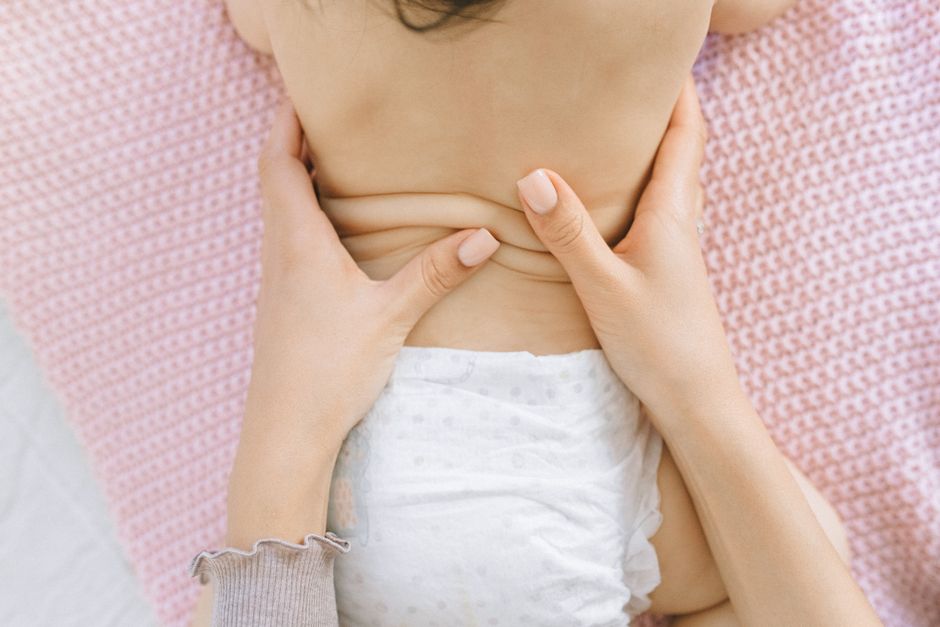
Baby acne is common and almost always harmless. It shows up as small red bumps or tiny whiteheads, most often on a newborn’s cheeks, nose, and forehead. It usually appears in the first few weeks of life and clears on its own without treatment.
Most parents notice it between two and four weeks after birth. It can look worse when your baby is fussy, hot, or crying, then fade when they calm down. It is not a sign of poor hygiene, an allergy, or anything you did wrong. And it is not contagious.
Is Baby Acne Normal Signs Causes And When To Worry
Yes, baby acne is normal. It affects a large share of healthy newborns, and in most cases it needs no treatment at all.
The bumps typically look like the acne you would recognize on an older child or adult, just smaller. You may see:
- Small red bumps or pimples
- Tiny whiteheads with a white or yellow center
- Clusters on the cheeks, nose, forehead, and chin
- Occasional bumps on the back or chest
The skin around the bumps may look a little red or irritated. The bumps do not usually itch or bother your baby. Your baby feeds, sleeps, and behaves normally.
What makes it “normal” is the timing and the course. It starts in the early weeks, stays mild, and goes away on its own. It does not spread across the whole body or make your baby sick.
What should make you pay attention is anything that breaks that pattern. We will cover those warning signs further down.
What Actually Causes Baby Acne?
The most accepted explanation involves hormones passed from mother to baby. Late in pregnancy, and again during breastfeeding, maternal hormones cross to the baby. These hormones can stimulate a newborn’s oil glands, which can lead to blocked pores and small pimples.
This is the same basic process behind acne at any age: oil glands produce more oil, pores get blocked, and inflammation follows. In newborns the trigger is temporary, so the acne is temporary too.
There is a second, related possibility. A type of yeast that normally lives on human skin may play a role in some cases. This is one reason some clinicians treat certain newborn rashes differently than typical baby acne. The evidence here is not fully settled, so it is best described as a contributing factor in some babies rather than the main cause.
What does not cause baby acne:
- Your diet during pregnancy or breastfeeding
- Formula or breast milk itself
- Not bathing your baby often enough
- Laundry detergent or fabric softener, in most cases
- Anything contagious that could pass to other children
One clarification worth making: baby acne and the small white bumps called milia are not the same thing. Milia are tiny pearly white cysts, often on the nose and cheeks, caused by trapped keratin. They also clear on their own. Parents often mix the two up, and both are harmless.
How Long Does Baby Acne Last?
Most cases clear within a few weeks to a few months. Many babies are clear by around three to four months of age.
The course tends to follow a pattern:
- Starts around two to four weeks after birth
- May come and go for several weeks
- Often looks worse during crying or warm weather
- Gradually fades without leaving scars
It can return in waves before it stops for good. That is normal. A flare does not mean something is wrong or that it is getting worse overall.
If the bumps are still present and active well past six months, or if they seem to be getting worse rather than better, that is a reason to have your baby checked. It may still be nothing, but other conditions can look similar and a clinician can tell the difference.




What Should You Do About Baby Acne?
For typical baby acne, the main approach is to leave it alone. It resolves on its own, and most products marketed for it are not needed.
Gentle care that is reasonable:
- Wash your baby’s face once a day with plain warm water and a soft cloth
- Pat dry gently; do not rub
- Keep the skin clean and dry between feedings
- Use a mild, fragrance-free baby wash if you use soap at all
Things to avoid:
- Do not squeeze, pop, or scrub the bumps. This can cause irritation, broken skin, and scarring.
- Do not apply adult acne products. Benzoyl peroxide, salicylic acid, and retinoids are not appropriate for newborn skin and can cause serious irritation or harm.
- Do not use oils, heavy creams, or home remedies on the affected area. They can clog pores further.
- Do not use hydrocortisone or other steroid creams unless a clinician specifically prescribes them.
There is no established clinical guideline recommending any specific treatment for uncomplicated baby acne, because it usually does not need one. If a clinician does recommend something for a stubborn case, follow their instructions rather than anything you read online.
One practical note: some parents find that keeping the face clean and avoiding heavy lotions reduces how irritated the skin looks. That is reasonable, but it does not “cure” the acne, which is driven by hormones your baby is still processing.
When Should You Worry About a Newborn Rash?
Most newborn rashes are harmless, but some need medical attention. The key is whether your baby also seems unwell.
Contact your baby’s clinician if you notice:
- Bumps that are crusty, oozing, or weeping fluid
- Skin that looks infected, with spreading redness, warmth, or pus
- A rash that spreads quickly across the body
- Blisters or sores
- A rash along with fever, poor feeding, unusual sleepiness, or irritability
- A rash that appears suddenly and your baby seems sick
A fever in a newborn is a medical emergency. If your baby is under three months old and has a rectal temperature of 100.4°F (38°C) or higher, seek care right away. Do not wait to see if it passes.
Some conditions can look like baby acne but are not. Eczema tends to be dry, scaly, and itchy, and often appears on the cheeks and in skin folds. A yeast-related rash may have a different texture and pattern. Heat rash shows up as tiny red bumps in areas where skin stays warm and covered. A clinician can usually tell these apart by looking, and sometimes with a simple test.
It is worth being clear about one thing: baby acne itself does not cause fever, does not make a baby lethargic, and does not interfere with feeding. If any of those are happening, the acne is not the whole story.
Does Baby Acne Leave Scars or Cause Long-Term Problems?
Baby acne does not leave scars when it is left alone. It also does not predict acne later in life.
A common worry is that newborn acne means your child will struggle with acne as a teenager. There is no strong evidence for that link. Teen acne is driven by puberty hormones and genetics, not by what happened in the first few months of life.
The one situation where scarring is possible is when the bumps are picked, squeezed, or scrubbed. That is why hands-off care matters. Broken skin in a newborn can also become infected, which is a separate problem.
If your baby’s skin clears and later develops new bumps in a different pattern, that is a new issue, not a return of the original acne. Have it looked at if you are unsure.
What Else Can Look Like Baby Acne?
Several newborn skin conditions look similar to baby acne, and telling them apart matters for what you do next.
| Condition | Typical look | Usual timing |
|---|---|---|
| Baby acne | Red bumps and whiteheads on cheeks, nose, forehead | 2 to 4 weeks after birth |
| Milia | Tiny pearly white bumps, no redness | Present at birth or soon after |
| Erythema toxicum | Red blotches with small yellow-white centers | First few days of life |
| Eczema | Dry, scaly, itchy patches | Often 2 to 6 months |
| Heat rash | Tiny red bumps in covered or warm areas | Any time, linked to heat |
This table is a general guide, not a diagnosis. Newborn rashes often overlap in appearance, and even experienced clinicians sometimes need to watch how a rash changes over a few days before being sure. If you are uncertain, that is a good reason to ask.
Frequently Asked Questions
Is baby acne a sign of anything serious?
No, baby acne on its own is not a sign of a serious condition. It is a common, temporary reaction to hormones and clears without treatment.
Should I put breast milk or cream on baby acne?
There is no clinical evidence that breast milk or creams treat baby acne, and heavy products can clog pores. Plain water and gentle cleansing are enough for most cases.
When should I call the doctor about baby acne?
Call if the bumps are crusty, oozing, spreading, or if your baby has a fever, is feeding poorly, or seems unwell. A fever of 100.4°F (38°C) or higher in a baby under three months old needs immediate care.
Can baby acne spread to the chest or back?
It can appear on the chest or back, though it is most common on the face. A rash that spreads quickly across the body should be checked by a clinician.
