
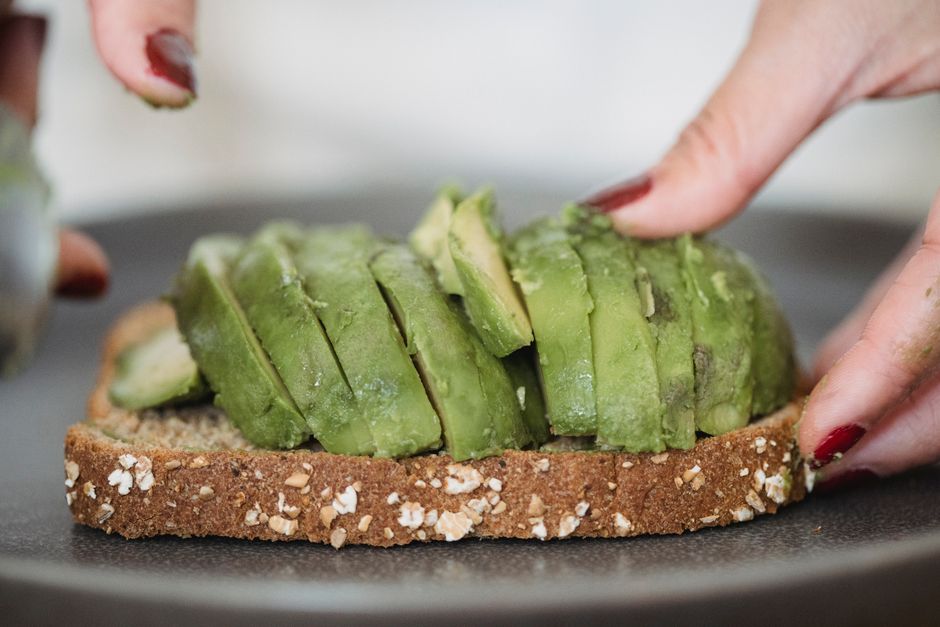
Avocado toast can be a genuinely healthy breakfast or snack. It combines a source of unsaturated fat with fiber and several vitamins and minerals. Whether a specific plate of it is healthy depends almost entirely on the bread you choose, how much avocado you use, and what you pile on top.
The basic formula — mashed avocado on toasted bread — is simple and mostly nutritious. The trouble starts with oversized portions, heavily processed bread, and the salted, sweetened, or fried extras that often join it. Get those details right and avocado toast earns its reputation.
Is Avocado Toast Healthy?
Yes, in its basic form it is a healthy food choice. Avocado is one of the few fruits rich in monounsaturated fat, the same kind of fat found in olive oil. It also supplies fiber, potassium, folate, and vitamins E and K. A slice of whole-grain bread adds complex carbohydrates, more fiber, and a range of B vitamins.
That combination — fat, fiber, and carbohydrate together — is what makes it satisfying. Fat and fiber both slow digestion, which tends to keep you full longer than a plain piece of toast or a low-fat breakfast of similar calories.
The honest caveat is portion. A whole medium avocado is roughly 240 calories and about 21 grams of fat. Most people spread far less than that on toast, but it is easy to use half an avocado or more without thinking about it. Fat is nutrient-dense and calorie-dense at the same time.
What Does Avocado Actually Contain?
Avocado is nutritionally unusual among fruits because it is mostly fat rather than sugar. According to USDA data, about 100 grams of raw avocado — roughly half a medium fruit — provides around 160 calories, close to 15 grams of fat, about 9 grams of carbohydrate, and roughly 7 grams of fiber. It contains very little sugar.
Most of that fat is monounsaturated, primarily oleic acid, which is the same predominant fat in olive oil. Avocado is also a notable source of potassium — more per gram than banana — along with folate, vitamin K, vitamin E, and several B vitamins.
One clarification worth knowing: avocado is not a low-calorie food. It is a nutrient-dense one. Those are different things, and the distinction matters if you are watching your weight.
Is the Bread You Use Just as Important?
The bread can matter as much as the avocado. A slice of white sandwich bread and a slice of dense whole-grain or sourdough loaf differ substantially in fiber, protein, and how quickly they raise blood sugar.
Whole-grain breads generally contain more fiber and digest more slowly than refined white bread. For most people, that is the better base. Look for a first ingredient that includes the word “whole” — whole wheat, whole grain, or whole rye — rather than just “wheat flour,” which is usually refined.
Portion of bread matters too. A thick slab of artisan toast can carry two or three times the calories of a standard slice. Neither is wrong, but the numbers add up.
What Toppings Help and Which Hurt?
Toppings decide whether avocado toast stays a balanced meal or turns into a high-calorie treat. The avocado and bread already provide fat and carbohydrate. What you add on top is where the balance shifts.
Toppings that add protein or nutrients without much downside:
- Eggs, especially poached or boiled rather than fried
- Smoked salmon or canned fish
- Beans or chickpeas
- Tomato, cucumber, or leafy greens
- Lemon juice, chili flakes, black pepper, or fresh herbs
Toppings that can quietly push it into heavy territory:
- Generous drizzles of oil or butter on top of an already fatty base
- Bacon, sausage, or fried additions
- Heavy cheese or creamy sauces
- Sweetened drizzles like honey or syrup, which add sugar
None of these are forbidden. The point is that avocado toast is already a fat-rich base, so stacking more fat and salt on top changes what kind of meal it is.
How Does Avocado Toast Compare to Other Breakfasts?
Compared with many common breakfasts, avocado toast holds up well. It offers more fiber and unsaturated fat than a bowl of sugary cereal, and more nutrients than plain white toast with butter or jam.
It does not, however, automatically beat a balanced breakfast that includes protein. A breakfast of eggs, whole-grain toast, and fruit delivers similar fiber and fat with more protein. Avocado toast on its own is relatively low in protein — roughly 2 to 3 grams from the avocado and a few more from the bread, depending on the loaf.
Adding an egg or some beans closes that gap and makes it a more complete meal. For people who are physically active or trying to preserve muscle, that protein matters.
Does Avocado Toast Fit Into Weight Loss?
It can, but calories still count. Avocado toast is not a low-calorie food, and the “healthy fat” label sometimes leads people to use more of it than they realize. A typical serving — a quarter to half an avocado on one slice of whole-grain bread — lands somewhere in the range of 200 to 300 calories before toppings.
The fiber and fat do help with satiety, which is a real advantage. A breakfast that keeps you full can reduce snacking later. That said, no single food drives weight loss or gain on its own. Total daily intake and overall diet pattern are what matter.
If weight is a goal, the practical move is to measure the avocado rather than eyeball it, and to watch the oil and extras. Those small additions are where calories hide.
Are There Downsides or People Who Should Be Careful?
For most people, avocado toast has no meaningful downsides. A few groups should pay attention.
Avocado is high in potassium. People with advanced kidney disease are often advised to limit potassium, so avocado may need to be portioned carefully or avoided depending on individual guidance from their clinician. This is a real consideration, not a minor one — anyone with kidney disease should follow their care team’s advice rather than general diet rules.
Avocado is also a source of FODMAPs, specific fermentable carbohydrates that can trigger digestive symptoms in some people with irritable bowel syndrome. Portion size often matters, and some people tolerate small amounts better than large ones.
Finally, avocado is a common food allergen, though reactions are uncommon compared with major allergens. Anyone with a known avocado allergy should avoid it. For everyone else, the main caution is simply portion and what comes with it.
How Should You Make It Well?
The healthiest version is straightforward. Start with one slice of whole-grain bread, toast it, and spread a quarter to half a mashed avocado across it. Season with lemon, pepper, or herbs instead of relying on salt. Add a protein source if you want it to hold you until lunch.
Keep the extras simple. Tomato, greens, an egg, or some beans do more for the meal than oil, cheese, or cured meat. The goal is a balanced plate, not a perfect one.
Avocado toast is a good food, not a magic one. Treated as a base for a balanced meal, it deserves its popularity. Treated as a free pass to pile on fat and salt, it becomes something else entirely.
Frequently Asked Questions
Is avocado toast healthy for breakfast?
Yes, in its basic form it is a healthy breakfast that provides unsaturated fat, fiber, and several vitamins. Its healthfulness depends on using whole-grain bread, a reasonable portion of avocado, and nutritious toppings.
How much avocado should I put on toast?
A quarter to half of a medium avocado per slice is a reasonable portion for most people. A whole avocado is roughly 240 calories, so using more adds calories quickly.
Is avocado toast good for weight loss?
It can fit into a weight-loss diet because its fat and fiber help with fullness, but calories still count. Portion control on the avocado and limited oil or extras make the biggest difference.
Can everyone eat avocado toast?
Most people can, but those with advanced kidney disease may need to limit potassium-rich foods like avocado under medical guidance. People with irritable bowel syndrome may also need to watch portion size.
