
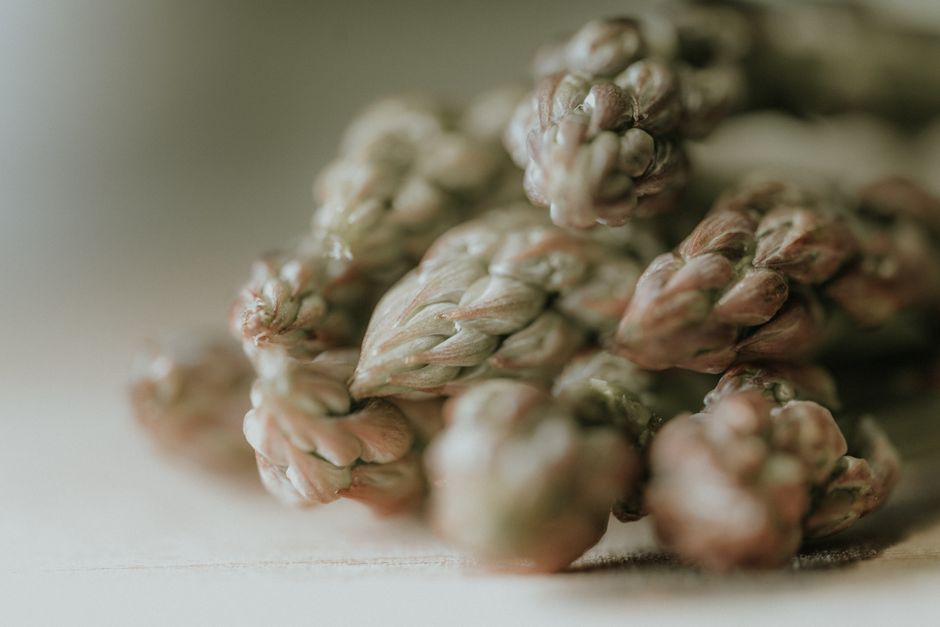
Asparagus is a genuinely nutritious vegetable, and yes, it deserves a place on your plate. It is low in calories, provides fiber and folate, and supplies several vitamins and minerals the body needs. The strongest reason to eat it is simple: it is a vegetable, and most Americans do not eat enough of them.
Is Asparagus Good For You?
Asparagus is a nutrient-dense food. That means it packs useful nutrients into very few calories. A cup of cooked asparagus has roughly 40 calories, about 4 grams of fiber, and a meaningful dose of folate, vitamin K, and vitamin A.
The word “nutrient-dense” gets thrown around loosely in health marketing. Here it is accurate. You get vitamins, minerals, and fiber for almost no calories, which is the opposite of most snack foods.
What asparagus is not is a treatment. It will not detox your liver, cure inflammation, or replace medication. Those claims circulate widely online. No clinical evidence confirms them.
What Nutrients Does Asparagus Actually Contain?
Asparagus delivers a solid spread of vitamins and minerals. The exact amounts depend on whether it is raw or cooked, and cooking does reduce some water-soluble vitamins.
Here is a general picture of what one cup of cooked asparagus provides, based on standard USDA nutrient data:
- Folate — a substantial share of daily needs. This matters most during pregnancy.
- Vitamin K — a large portion of the daily requirement, important for blood clotting and bone health.
- Vitamin A — supports vision and immune function.
- Fiber — around 4 grams per cup, which supports digestion.
- Vitamin C, vitamin E, and potassium — present in smaller but useful amounts.
Asparagus also contains antioxidants, including glutathione and rutin. Antioxidants are real and studied, but the human evidence that eating any single vegetable prevents disease is limited. The benefit comes from eating many vegetables over years, not from one food.
One practical note: asparagus is high in vitamin K. People taking blood-thinning medication like warfarin are often told to keep vitamin K intake steady rather than avoid it. If that applies to you, talk to your clinician before making big changes to how much asparagus you eat.
Does Asparagus Have Real Health Benefits?
The honest answer is that asparagus supports a healthy diet, but it is not a stand-alone health solution. Its benefits come from being part of an overall pattern of eating.
Fiber is one area where the evidence is solid. Diets high in fiber are consistently linked to better digestive health and lower risk of several chronic conditions. Asparagus contributes to that, though it is not a top fiber source compared with beans or whole grains.
Folate is another well-established benefit. Folate is critical in early pregnancy for preventing certain birth defects, and asparagus is a good dietary source. This is one of the most firmly supported nutrition facts about the vegetable.
Beyond that, claims get shakier. Some studies suggest asparagus compounds have antioxidant and anti-inflammatory activity in the lab. Lab results do not automatically translate to benefits in the human body. No large human trials have confirmed that asparagus prevents cancer, lowers blood pressure, or improves any specific disease outcome on its own.




Why Does Asparagus Make Urine Smell?
Asparagus changes the smell of urine in many people, and this is completely normal. The cause is a set of sulfur-containing compounds in the vegetable that the body breaks down into odorous byproducts.
There is an interesting wrinkle here that surprises most people. Not everyone produces the smell, and not everyone can detect it. The ability to notice the odor appears to be partly genetic. So if you have never experienced it, that does not mean asparagus is different for you. You may simply lack the gene that lets you smell it.
This effect is harmless and temporary. It is not a sign of a health problem, and drinking more water does not prevent it. It fades on its own within hours.
Is Asparagus Safe For Everyone?
For most people, asparagus is safe and well tolerated. A few groups should pay attention.
People taking blood thinners like warfarin need to manage vitamin K intake carefully, as mentioned above. Consistency matters more than avoidance.
Asparagus contains purines, compounds that can raise uric acid levels. People with gout are sometimes advised to limit high-purine foods. Asparagus is moderate in purines, not among the highest sources, but if you have gout, ask your clinician whether it fits your diet.
Asparagus can also cause gas or bloating in some people because of its fiber content. This is normal and usually mild. Cooking it well tends to make it easier to digest than eating it raw.
For pregnancy, asparagus is generally considered a healthy choice, largely because of its folate. There are no clinical guidelines setting a specific recommended amount of asparagus during pregnancy. The general guidance is to eat a variety of vegetables.
How Should You Cook and Eat Asparagus?
How you cook asparagus affects how many nutrients you keep. Water-soluble vitamins like vitamin C and folate leach into cooking water, so boiling for a long time reduces them.
Faster cooking methods preserve more nutrients:
- Roasting or grilling until just tender
- Steaming briefly
- Sautéing or stir-frying quickly
Asparagus works in many meals. It can be roasted as a side, added to pasta or grain bowls, folded into eggs, or eaten raw in salads if sliced thin. Thicker spears tend to hold up better to roasting, while thin spears cook fast and are easy to overcook.
One thing worth knowing: fresh asparagus loses quality quickly. It is best stored in the refrigerator, ideally with the cut ends wrapped in a damp paper towel or standing in a little water. Use it within a few days for the best flavor and texture.
Does Asparagus Help With Weight Loss?
Asparagus can support weight management, but not because of anything special in the vegetable itself. It helps because it is low in calories and high in volume and fiber, which can help you feel full.
Foods that fill you up for few calories tend to help people eat less overall. Asparagus fits that pattern. But no single food causes weight loss. Results depend on your total diet and activity over time.
Be cautious of any product or article claiming asparagus “burns fat” or “flushes toxins.” Those claims have no clinical backing. The vegetable is a good food, not a fat-burning tool.
Is Asparagus Good For You Compared With Other Vegetables?
Asparagus holds its own, but it is not clearly superior to other vegetables. Comparing vegetables head to head is less useful than eating a range of them.
Here is a general comparison of how asparagus stacks up against a few common vegetables:
| Vegetable (1 cup cooked) | Calories | Fiber | Notable nutrients |
|---|---|---|---|
| Asparagus | ~40 | ~4 g | Folate, vitamin K |
| Broccoli | ~55 | ~5 g | Vitamin C, vitamin K |
| Spinach | ~40 | ~4 g | Folate, iron, vitamin K |
| Green beans | ~44 | ~4 g | Vitamin K, fiber |
The differences are modest. All of these are good choices. Rotating vegetables gives you a wider spread of nutrients than relying on any single one.
The Bottom Line
Asparagus is a healthy, low-calorie vegetable with real nutritional value, especially folate, vitamin K, and fiber. It is worth eating regularly as part of a varied diet.
What it is not is a cure or a shortcut. The viral claims about detoxing, fat burning, and disease prevention are not supported by clinical evidence. Enjoy it for what it is: a good vegetable that tastes best when cooked simply and eaten fresh.
Frequently Asked Questions
Is asparagus good for you?
Yes, asparagus is a nutritious, low-calorie vegetable that provides fiber, folate, and vitamin K. It supports a healthy diet but is not a treatment for any disease.
Why does asparagus make my urine smell?
Asparagus contains sulfur compounds that break down into odorous byproducts, and the ability to smell them is partly genetic. The effect is harmless and fades within hours.
Can you eat asparagus raw?
Yes, thin raw asparagus can be eaten, especially sliced into salads. It is firmer and can be harder to digest than cooked asparagus, so some people prefer it cooked.
Is asparagus safe during pregnancy?
Asparagus is generally considered a healthy choice during pregnancy, mainly because of its folate content. There are no clinical guidelines setting a specific recommended amount, so it is best eaten as part of a varied diet.
