
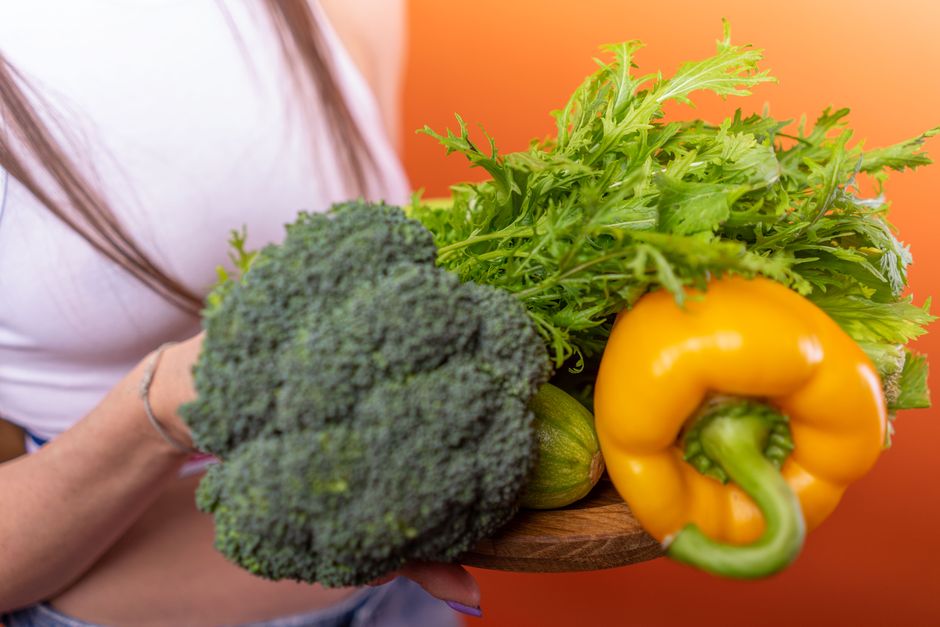
Arugula is a low-oxalate leafy green. A typical 100-gram serving contains roughly 10 to 20 milligrams of oxalate, which places it among the lowest-oxalate salad greens you can eat.
That number matters if a doctor has told you to watch your oxalate intake. Spinach, by comparison, can contain several hundred milligrams per 100 grams. Arugula sits in a completely different category.
This article explains what oxalates are, why arugula’s level is considered low, how it compares to other greens, and what that means for people with kidney stone history or other conditions where oxalate intake is a concern.
What Are Oxalates and Why Do They Matter?
Oxalates are natural compounds found in many plants. They form when oxalic acid binds to minerals like calcium, magnesium, or potassium. Plants produce them for reasons that are not fully understood, but they appear to play a role in calcium regulation and defense against being eaten.
For most people, dietary oxalate is harmless. Your body absorbs a small fraction of it, and your kidneys filter it out. The concern arises when oxalate builds up in the urine at high enough concentrations to bind with calcium and form crystals. Over time, those crystals can grow into calcium oxalate kidney stones, which are the most common type of kidney stone.
Not everyone needs to track oxalate intake. But for people who have had calcium oxalate stones, or who have conditions that increase oxalate absorption, the amount of oxalate in food becomes relevant.
How Oxalate Content in Food Is Measured
Oxalate content is usually reported in milligrams per 100 grams of food. Researchers measure it using laboratory methods like high-performance liquid chromatography or enzymatic assays.
One complication: different studies sometimes report different values for the same food. Growing conditions, soil mineral content, plant variety, and harvest timing all affect oxalate levels. So the numbers you see for any vegetable are best understood as ranges, not fixed values.
Is Arugula High In Oxalates?
No. Arugula is consistently classified as a low-oxalate food. Most analyses put it in the range of about 10 to 20 milligrams of oxalate per 100 grams.
To put that in perspective, the same amount of raw spinach typically contains somewhere in the range of 600 to 800 milligrams. Rhubarb, beet greens, and Swiss chard are also very high. Arugula is closer to lettuce in oxalate content than it is to spinach.
This is not a marginal difference. It is roughly a fifty-fold difference between arugula and spinach by weight.
For someone trying to keep total daily oxalate intake low, arugula is one of the safest leafy greens to build a salad around. It gives you the texture and peppery flavor of a green without contributing meaningfully to your oxalate load.
How Does Arugula Compare to Other Leafy Greens?
Leafy greens vary enormously in oxalate content. Some that are otherwise very healthy are among the highest-oxalate foods you can eat.
| Green (100g raw) | Approximate Oxalate Level |
|---|---|
| Arugula | Low (roughly 10–20 mg) |
| Lettuce (romaine, iceberg) | Low (under 10 mg) |
| Kale | Low to moderate |
| Collard greens | Low to moderate |
| Swiss chard | High |
| Spinach | Very high (roughly 600–800 mg) |
| Beet greens | Very high |
Kale and collard greens are sometimes listed as moderate because their values vary by source and preparation. Cooking affects oxalate content somewhat, but it does not turn a high-oxalate green into a low-oxalate one.
Spinach is the standout problem for people watching oxalates. It is nutritious in many ways, but its oxalate load is high enough that many clinicians advise limiting it if you have had calcium oxalate stones.
Does Cooking Change Arugula’s Oxalate Content?
Cooking can reduce oxalate content in some vegetables, but the effect is modest and depends on the cooking method. Boiling leaches water-soluble oxalate into the cooking water, so discarding that water removes some of it.
For arugula, this is largely beside the point. Because its starting oxalate level is already low, there is little to reduce. Whether you eat arugula raw in a salad or wilted into a pasta dish, the oxalate contribution stays small.
One note on raw versus cooked: arugula is most often eaten raw, and raw greens retain their full oxalate content since nothing is leached away. But since arugula starts low, this does not create a meaningful concern.
Who Actually Needs to Watch Oxalate Intake?
Not everyone. The people most likely to be advised to moderate oxalate are those with a history of calcium oxalate kidney stones, and in some cases people with certain digestive conditions that increase oxalate absorption.
Conditions that affect fat absorption, such as Crohn’s disease or other malabsorption disorders, can increase the amount of oxalate the body absorbs. In these situations, a clinician may recommend a low-oxalate diet as part of a broader plan.
For the general population, there is no established reason to limit oxalate intake. Oxalate is not a toxin, and most people process it without issue.
If you are unsure whether oxalate matters for your situation, that is a question for your doctor or a registered dietitian. Dietary advice for kidney stones is individualized and depends on your stone type, lab results, and other health factors.
What Else Matters Besides Oxalate in Arugula?
Arugula is a nutrient-dense green. It provides vitamin K, vitamin A (as beta-carotene), vitamin C, folate, and calcium. It also contains glucosinolates, compounds found in cruciferous vegetables that have been studied for various health effects.
It is low in calories and a good source of dietary fiber. These are the reasons it earns a place in a healthy diet regardless of oxalate considerations.
One practical point: arugula is high in vitamin K, which can interact with blood-thinning medications like warfarin. People on those medications are often advised to keep vitamin K intake consistent rather than avoid it entirely. If you take a blood thinner, talk to your doctor before making large changes to how much arugula or other leafy greens you eat.
That is a separate issue from oxalate, but it is worth knowing if arugula is about to become a regular part of your diet.
The Bottom Line on Arugula and Oxalates
Arugula is a low-oxalate food. At roughly 10 to 20 milligrams per 100 grams, it is one of the better leafy green choices for anyone who has been told to watch oxalate intake.
Its oxalate level is so much lower than spinach, chard, or beet greens that it belongs in a different category entirely. If you enjoy arugula and oxalate is a concern for you, it is generally a green you can feel comfortable including.
For most people, oxalate is not something to track at all. For those who do need to track it, arugula is not the problem. The high-oxalate greens are.
Frequently Asked Questions
Is arugula high in oxalates?
No, arugula is a low-oxalate green, containing roughly 10 to 20 milligrams per 100 grams. That is far lower than spinach, chard, or beet greens.
Is arugula safe for kidney stones?
Arugula is generally considered a low-oxalate choice, which makes it a reasonable green for people with calcium oxalate stone history. Any dietary decisions for kidney stones should be discussed with your doctor, since stone prevention is individualized.
Is arugula lower in oxalates than spinach?
Yes, by a wide margin. Spinach typically contains several hundred milligrams of oxalate per 100 grams, while arugula contains roughly 10 to 20 milligrams.
Does cooking arugula reduce oxalates?
Cooking can leach some oxalate into water, but arugula already starts low, so the change is minor. Raw or cooked, arugula remains a low-oxalate food.
