
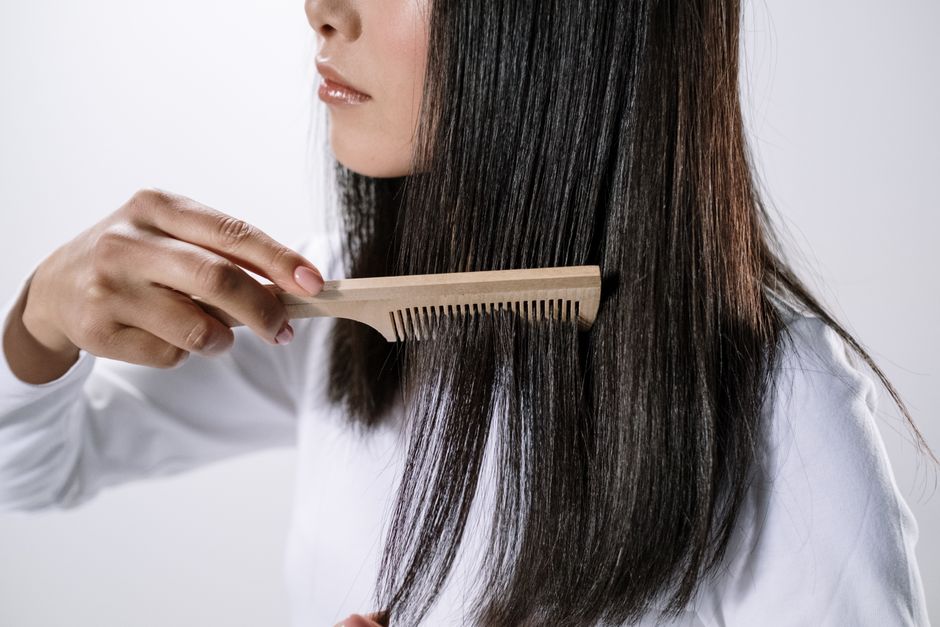
Straight hair has a reputation for looking sleek, but it also has specific needs that curly or wavy textures don’t always share. It tends to get oily at the roots faster while showing dryness and split ends at the tips. Argan oil is widely marketed as a universal fix, but the honest answer is that it works well for straight hair when used correctly — and that means using less than you think. The oil is lightweight compared with heavier alternatives like coconut oil, which makes it a practical choice for fine or straight strands that weigh down easily.
What Makes Argan Oil Different From Other Oils?
Argan oil comes from the kernels of the argan tree, which grows mainly in Morocco. It is rich in oleic acid, linoleic acid, and vitamin E. These are the components that make it useful for hair care, but the real selling point is its fatty acid profile.
Oleic acid is a monounsaturated fat that penetrates the hair shaft and helps smooth the outer cuticle. Linoleic acid is a polyunsaturated fat that supports the skin barrier and may help reduce moisture loss from the scalp. Vitamin E acts as an antioxidant, which can help protect hair from environmental stress like sun exposure and pollution.
Compared with coconut oil, argan oil is much lighter. Coconut oil is highly penetrating but can leave fine hair feeling greasy or stiff. Argan oil sits closer to the surface and coats the strand without the same heavy buildup. That distinction matters for straight hair, which shows oiliness more visibly than textured hair does.
Is Argan Oil Good For Straight Hair Heres Why It Works
Straight hair has a smooth, flat cuticle. That sounds like an advantage, and in some ways it is — light reflects off it easily, giving that glossy look. But the flat cuticle also means natural oils from the scalp travel down the strand quickly. By the time those oils reach the ends, they have usually dried out or been washed away. The result is a common pattern: oily roots, dry ends.
Argan oil helps in two specific ways. First, it acts as a sealant. Applied to the mid-lengths and ends, it locks in moisture that would otherwise escape through the cuticle. Second, it smooths the cuticle itself, which reduces frizz and makes the hair appear shinier.
There is a limit to what it can do. Argan oil does not repair split ends. No oil can. It temporarily seals the damaged tip so the hair looks healthier, but the split will return once the oil washes out. It also cannot add protein or rebuild the hair structure. For straight hair that is damaged from heat styling or chemical treatments, argan oil is a cosmetic improvement, not a structural repair.
How Much Argan Oil Should You Use on Straight Hair?
This is where most people go wrong. The typical advice for curly hair — a generous squeeze of oil worked through damp strands — is far too much for straight hair. Straight hair, especially if it is fine, will look greasy within hours if you overdo it.
A practical starting point is one to two drops. Rub the oil between your palms to warm it, then press it onto the ends of your hair. Do not apply it to the roots. Your scalp already produces enough oil for that area, and adding more will only accelerate the greasy look.
If your hair is thick and coarse, you may need three to four drops. If it is very fine, start with a single drop and add more only if needed. The oil should disappear into the hair within a minute. If you can see it sitting on the surface, you have used too much.
Frequency matters too. Daily use is usually unnecessary. Two to three times per week is enough for most people, and only when the hair feels dry or looks dull. Using argan oil every day on straight hair that does not need it can cause buildup, which makes hair look flat and lifeless.



Does Argan Oil Help With Frizz and Shine?
Yes, for straight hair, these are the two benefits with the strongest evidence behind them. The oil smooths the cuticle, which reduces the raised edges that scatter light and cause a dull appearance. A smoother surface reflects light more evenly, which translates to visible shine.
Frizz in straight hair is usually caused by humidity. When water in the air binds to the hair shaft, it disrupts the hydrogen bonds that hold the hair’s shape. The cuticle lifts, and the hair looks rough or puffy. Argan oil creates a hydrophobic barrier that slows this water absorption. It does not block humidity completely, but it does reduce the effect.
One clarification: argan oil works best on damp hair before styling. Applied to dry hair, it mainly adds shine and tames flyaways. Applied to damp hair, it seals in moisture and provides a smoother base for heat styling. If you use a blow dryer or flat iron, the oil also offers some thermal protection, though it should never replace a dedicated heat protectant spray.
Argan Oil vs. Other Oils for Straight Hair
Not all oils behave the same way on straight hair. The table below shows how argan oil compares with common alternatives.
| Oil | Weight | Best Use for Straight Hair | Watch Out For |
|---|---|---|---|
| Argan oil | Light | Finishing, shine, frizz control | Easy to overuse |
| Coconut oil | Heavy | Pre-wash treatment | Can leave hair stiff or greasy |
| Jojoba oil | Very light | Scalp care, fine hair | Less smoothing power |
| Olive oil | Heavy | Deep conditioning mask | Too heavy for regular use |
| Moroccan argan blend | Varies | Depends on base oil | Check label for silicones |
Jojoba oil is technically a wax ester, not an oil, and it closely resembles human sebum. That makes it a good option if your primary concern is scalp health. But argan oil has better smoothing properties for the hair length itself.
One honest note about commercial blends: many products labeled “argan oil” contain only a small percentage of actual argan oil mixed with silicones or cheaper carrier oils. Silicones can give instant shine and slip, but they can also build up over time. If you want the real effect of argan oil, look for a product that lists it as the first ingredient, or buy pure cold-pressed argan oil.
What Argan Oil Cannot Do for Straight Hair
Marketing often overstates what any oil can achieve. Argan oil will not make your hair grow faster. Hair growth happens at the follicle beneath the scalp, and no oil applied to the strands can influence that process. Some research suggests that scalp massage may improve blood flow, but argan oil itself has no proven effect on growth rate.
It will not fix damaged hair permanently. If your hair is breaking from heat damage or chemical processing, the only real solution is to cut the damaged portion and prevent further harm. Argan oil is a temporary cosmetic fix.
It cannot balance an oily scalp. The idea that applying oil to oily roots will trick the scalp into producing less oil is not supported by evidence. If your scalp is already oily, adding more oil will only make it oilier. Keep argan oil on the lengths and ends.
It is not a sunscreen. While vitamin E has antioxidant properties, argan oil does not provide meaningful UV protection. If you spend significant time in the sun, use a hair product with actual UV filters.
How to Choose a Quality Argan Oil
Pure argan oil has a nutty, slightly earthy smell. It is golden yellow in color. If the product is clear and odorless, it has likely been refined and stripped of many beneficial compounds.
Cold-pressed is the term to look for. This means the oil was extracted without high heat, which preserves more of the fatty acids and vitamin E. Cosmetic-grade argan oil is fine for hair. Food-grade is also acceptable, though usually more expensive.
Check the ingredient list. There should be one ingredient: argania spinosa kernel oil. If you see fragrances, preservatives, or other plant oils listed before it, you are buying a blend, not pure argan oil.
Store it away from direct sunlight and heat. Like all plant oils, argan oil can go rancid over time. A shelf life of about two years is typical if stored properly. If it smells sharp or bitter, it has oxidized and should be discarded.
Frequently Asked Questions
Can I leave argan oil in my hair overnight?
Yes, but it is usually unnecessary. A light application before bed can condition the ends, but washing it out in the morning is recommended to avoid buildup on fine or straight hair.
Does argan oil cause buildup on straight hair?
It can if used too often or in large amounts. Using one to two drops two to three times per week is generally enough to avoid visible buildup.
Should I apply argan oil to wet or dry hair?
Both work, but for different results. Applying to damp hair seals in moisture and helps with heat styling, while applying to dry hair adds shine and tames flyaways.
Is argan oil safe for color-treated straight hair?
Yes. Argan oil does not strip color and can help reduce the dryness that often follows chemical treatments. It is a gentle option compared with heavier oils.
