
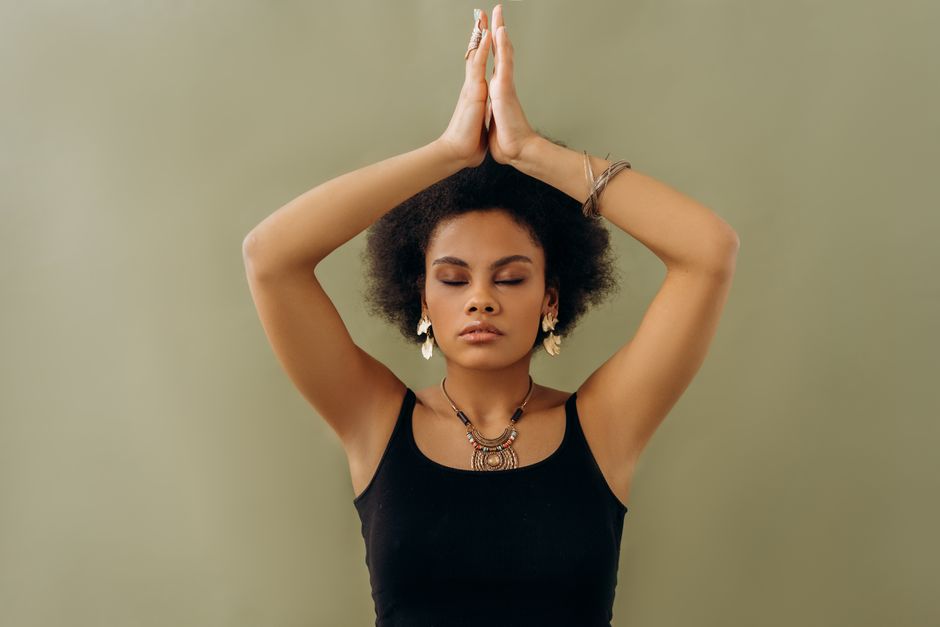
Yes, argan oil is good for black hair. It is a lightweight plant oil rich in vitamin E and fatty acids that help soften strands, reduce frizz, and add shine without weighing hair down. For Black hair types—whether curly, coily, or relaxed—argan oil offers real benefits for moisture retention and scalp health, though it works best as part of a complete routine rather than as a standalone fix.
What Makes Argan Oil Different From Other Oils?
Argan oil comes from the kernels of the argan tree, which grows mainly in Morocco. It has been used for centuries for cooking, skin care, and hair care. What sets it apart from heavier oils like coconut or castor oil is its fatty acid profile and its texture.
Argan oil is roughly 80 percent unsaturated fatty acids. Oleic acid and linoleic acid make up most of that content. These are the same types of fats found in olive oil and sunflower oil. The oil also contains vitamin E, which acts as an antioxidant, and plant sterols that may help soothe irritated skin.
Because the molecules are smaller than those in many other plant oils, argan oil absorbs into the hair shaft more easily. It does not sit on top of the strand the way heavier oils can. This makes it a good option for people who want moisture without a greasy feel.
How Argan Oil Benefits Black Hair Specifically
Black hair has a unique structure. The hair shaft is often flatter and more oval-shaped than straight hair. This shape creates natural bends and coils that make it harder for the scalp’s natural oils to travel down the strand. As a result, Black hair tends to be drier and more prone to breakage than other hair types.
Argan oil helps in three main ways.
Moisture retention. Argan oil coats the hair and reduces water loss from the strand. This is called occlusion. By sealing moisture in, it helps keep hair flexible and less likely to snap when brushed or styled.
Frizz control. When hair is dry, the outer layer—the cuticle—lifts up. This creates roughness and frizz. The fatty acids in argan oil smooth the cuticle down, which reflects light better and makes hair look shinier.
Scalp health. A dry, flaky scalp can weaken hair at the root. Argan oil has mild anti-inflammatory properties. Some research suggests it can help with conditions like seborrheic dermatitis, though the evidence is not strong enough to call it a treatment. It is a reasonable moisturizer for a dry scalp, but it is not a cure for dandruff or any scalp disease.
Does Argan Oil Help With Hair Growth?
The short answer is no. No clinical evidence shows that argan oil makes hair grow faster or thicker. This is a common marketing claim, and it is not backed by research.
What argan oil can do is improve the condition of the hair you already have. Healthier hair breaks less often. When hair stops breaking at the same rate, it appears to grow longer over time. That is a real effect, but it is not the same as stimulating new growth.
If hair loss is your concern, argan oil is not the answer. Hair loss has many causes—hormones, stress, nutrient deficiencies, and medical conditions. A topical oil cannot address those underlying issues. See a dermatologist if you are losing more hair than usual.





How To Use Argan Oil on Black Hair
How you use argan oil matters as much as whether you use it. The oil is versatile, but the right method depends on your hair’s texture and your goals.
For daily moisture, use a few drops on damp hair. Rub the oil between your palms first, then smooth it over your hair from mid-length to the ends. Avoid the scalp unless your scalp is dry. Too much oil on the scalp can clog follicles and lead to buildup.
For deep conditioning, you can add argan oil to your regular deep conditioner. Mix a few drops into the conditioner before applying it to your hair. Leave it on for the time recommended on the product label, then rinse thoroughly.
For styling, argan oil works as a finishing product. Apply a small amount after your leave-in conditioner and before your styling cream or gel. This helps seal in moisture and adds shine.
One important note: argan oil is a sealant, not a moisturizer. It locks in water that is already in the hair. It does not add water. For best results, apply it to damp hair after washing, not to bone-dry hair.
Argan Oil vs. Other Oils for Black Hair
Different oils have different strengths. Knowing the differences helps you choose the right one for your hair.
| Oil | Texture | Best For | Main Limitation |
|---|---|---|---|
| Argan oil | Light | Daily moisture, shine, frizz control | Not enough for very thick, coarse hair on its own |
| Coconut oil | Medium | Pre-shampoo treatment, protein loss prevention | Can be heavy and cause buildup |
| Castor oil | Very heavy | Sealing ends, scalp massage | Thick and sticky; hard to wash out |
| Jojoba oil | Very light | Scalp care, low-porosity hair | Less effective for deep moisture |
| Shea butter | Thick solid | Sealing in moisture for coily hair | Can feel heavy; needs warming before use |
For Black hair, argan oil works well as a daily oil. If your hair is very thick or tightly coiled, you may need a heavier product like shea butter or castor oil on top of it. Many people layer a light oil like argan with a heavier butter for maximum moisture retention.
One common mistake is using too much oil. More oil does not equal more moisture. In fact, too much oil can make hair feel greasy and attract dirt and product buildup. Start with two or three drops and add more only if needed.
What To Look For When Buying Argan Oil
Not all argan oil products are the same. The label matters more than the price.
Look for 100 percent pure argan oil. Many products sold as argan oil are actually blends with silicones, fragrances, or other oils. These fillers can coat the hair and prevent real moisture from getting in.
Check the ingredient list. Pure argan oil has one ingredient: argania spinosa kernel oil. If you see other ingredients listed before it, the product is not pure argan oil.
Cold-pressed argan oil is higher quality than heat-extracted oil. Heat can damage the vitamin E and fatty acids. Cold pressing keeps the nutrients intact.
Packaging also matters. Argan oil can go rancid when exposed to light and air. A dark glass bottle protects the oil better than a clear plastic one. If the oil smells bitter or like old nuts, it has gone bad and should be discarded.
Are There Any Risks or Side Effects?
Argan oil is generally safe for most people. It is a nut-derived oil, so people with tree nut allergies should be cautious. The argan tree is not closely related to common tree nuts like almonds or walnuts, but allergic reactions are still possible. If you have a nut allergy, do a patch test on your inner arm before applying it to your hair or scalp.
Some people experience buildup from using argan oil too frequently. This is more common when the oil is applied to the scalp or when too much is used. If your hair feels stiff or looks dull despite oiling, you may need to clarify your hair with a clarifying shampoo to remove buildup.
Pregnant women can use argan oil topically. It is not absorbed into the bloodstream in significant amounts. However, no clinical guidelines specifically address argan oil use during pregnancy, so the general rule of caution applies: if you have concerns, ask your healthcare provider.
Does Argan Oil Work for All Black Hair Types?
Black hair is not one single type. It ranges from loose waves to tight coils, and porosity—how well your hair absorbs and holds moisture—varies from person to person.
Argan oil works best for hair with medium to high porosity. These hair types absorb moisture quickly but lose it just as fast. The oil helps seal the cuticle and slow down moisture loss.
For low-porosity hair, argan oil may sit on the surface rather than absorbing. This hair type has tightly closed cuticles that resist moisture. If this sounds like your hair, use argan oil in very small amounts, or skip it and use a humectant like glycerin instead.
The only way to know how your hair responds is to try it. Apply a small amount to a section of hair and see how it feels over the next few days. If the hair feels soft and looks shiny, it is working. If it feels greasy or stiff, adjust the amount or try a different oil.
Frequently Asked Questions
Can I leave argan oil in my hair overnight?
Yes, you can leave argan oil in overnight as a deep treatment. Wash it out in the morning with a gentle shampoo to avoid buildup.
How often should I use argan oil on my hair?
Two to three times per week is enough for most people. Daily use is fine in small amounts, but too much can cause buildup.
Does argan oil help with dry scalp?
Yes, argan oil can help moisturize a dry scalp. It does not treat dandruff or scalp conditions, so see a doctor if flaking persists.
Is argan oil good for relaxed or color-treated hair?
Yes, argan oil is safe for relaxed and color-treated hair. It adds moisture and shine without stripping color or interfering with chemical treatments.
