
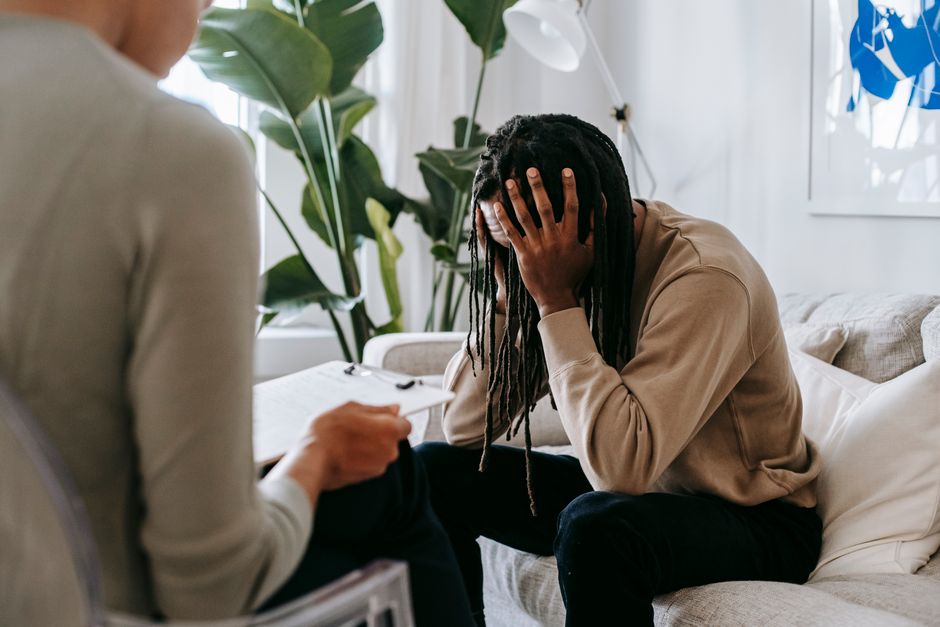
Anxiety is highly treatable, and many people recover fully. The word “cure” is tricky, though. Unlike an infection that antibiotics can eliminate, anxiety is a human emotion that everyone experiences. What can change is whether anxiety controls your life or simply passes through it. For most people, the goal is not a life without anxiety, but a life where anxiety no longer runs the show.
What Does “Curable” Actually Mean for Anxiety?
When people ask if anxiety is curable, they usually want to know if it will ever completely stop. The honest answer is that anxiety itself never fully disappears because it is a built-in survival response. Your brain is wired to detect threats. That wiring does not turn off.
What is curable is an anxiety disorder. An anxiety disorder is not normal worry. It is a condition where the threat response fires too often, too intensely, or in situations that are not actually dangerous. Treatment can retrain that response. Many people reach a point where they no longer meet the criteria for an anxiety disorder.
Think of it like physical fitness. You do not “cure” your body’s ability to feel tired. You train it so everyday tasks feel easy. Anxiety treatment works the same way. The feeling may still appear, but it stops being overwhelming.
What Treatments Have the Strongest Evidence?
Two main treatment approaches have the strongest research support: therapy and medication. They work through different mechanisms, and many people use both.
Cognitive behavioral therapy (CBT) is the most studied form of therapy for anxiety. It focuses on identifying the thought patterns that feed anxiety and testing whether those thoughts are actually true. It also involves gradual exposure to feared situations so the brain learns that the feared outcome does not happen. Research consistently shows that CBT produces lasting change that continues after therapy ends.
Another therapy with solid evidence is acceptance and commitment therapy (ACT). Instead of trying to change anxious thoughts, ACT teaches people to notice them without fighting them. The goal is to act according to your values even when anxiety is present. Some studies suggest ACT works as well as CBT for many anxiety disorders.
Medications are also well established. Selective serotonin reuptake inhibitors (SSRIs) are the most commonly prescribed class. They increase serotonin activity in the brain over several weeks. They do not eliminate anxiety instantly, but they often reduce the intensity of symptoms enough that therapy becomes more effective.
Both approaches work, but they work differently. Therapy builds skills you keep for life. Medication adjusts brain chemistry while you take it. Many clinicians recommend therapy first for mild to moderate anxiety, with medication added if symptoms are severe or therapy alone is not enough.
How Long Does Recovery Take?
There is no single timeline that applies to everyone. That said, some patterns are consistent across studies.
CBT typically involves 12 to 20 weekly sessions. Many people notice meaningful improvement within the first several sessions. Full recovery, defined as no longer meeting the diagnostic criteria for an anxiety disorder, often takes several months of consistent work. Some people need a second round of therapy later in life, just as someone might need a tune-up on a car.
Medication usually takes 4 to 6 weeks to show its full effect. SSRIs are typically continued for 6 to 12 months after symptoms improve. At that point, a doctor may recommend tapering off slowly. Some people need longer-term medication, and that is a legitimate choice. There is no evidence that staying on an SSRI long-term causes harm for most people.
The most important factor in recovery is consistency. Anxiety treatment works when you practice the skills regularly, not just during therapy sessions. People who do homework assignments between sessions tend to improve faster than those who only show up weekly.




Can Anxiety Return After Treatment?
Yes, and this is important to understand. Relapse is common, but it is not the same as treatment failure. Anxiety disorders are often chronic conditions with a waxing and waning course. Many people have periods of wellness followed by periods of increased symptoms.
Research suggests that about half of people who recover from an anxiety disorder will experience a return of symptoms at some point. This sounds discouraging, but there is a crucial detail. People who have learned CBT skills can often handle a relapse without professional treatment. They recognize what is happening and use their tools early.
This is why the skills you learn in therapy matter more than the temporary relief you feel. A medication can suppress symptoms while you take it, but it does not teach you how to respond when anxiety spikes. Therapy gives you that internal toolkit. People who complete CBT often report that later flare-ups are shorter and less intense.
It also helps to think of anxiety management as an ongoing practice. Just as you do not expect to run a marathon once and stay fit forever, you cannot expect one course of treatment to permanently eliminate all future anxiety. Maintenance matters.
What About Lifestyle Changes and Natural Remedies?
Lifestyle factors genuinely influence anxiety, but they are not substitutes for evidence-based treatment. They are best understood as support that makes treatment more effective.
Exercise has the strongest evidence among lifestyle approaches. Regular aerobic exercise reduces anxiety symptoms in many people. The effect is modest compared to therapy or medication, but it is real and it is free. The mechanism is not fully understood, but exercise appears to regulate stress hormones and improve sleep, both of which affect anxiety.
Sleep is another major factor. Sleep deprivation increases amygdala reactivity, which is the brain region that processes fear. People who are sleep-deprived respond more strongly to threatening stimuli. Prioritizing consistent sleep is not a cure, but it lowers the baseline vulnerability to anxiety.
Caffeine and alcohol deserve attention. Caffeine can trigger or worsen anxiety symptoms in sensitive individuals. Alcohol provides temporary relief but often causes rebound anxiety as it wears off. Reducing both is a reasonable step, though it will not resolve an anxiety disorder on its own.
Supplements are a murkier area. Some evidence suggests that certain supplements, such as magnesium or L-theanine, may have mild calming effects. However, no supplement has been proven to treat an anxiety disorder in large clinical trials. Marketing claims in this space often outpace the science. If you choose to try a supplement, tell your doctor. Some interact with medications.
When Should You Seek Professional Help?
Anxiety becomes a disorder when it interferes with daily life. The specific signs include avoiding situations because of fear, trouble sleeping, difficulty concentrating at work, or withdrawing from relationships. If anxiety is causing distress or impairing function, professional help is appropriate.
Primary care doctors can screen for anxiety and prescribe medication. Psychiatrists specialize in medication management. Psychologists and licensed therapists provide therapy. Many people start with their primary care doctor, who can refer them appropriately.
There is no benefit to waiting until anxiety becomes severe. Early treatment tends to be more effective and shorter. The brain’s threat response becomes more entrenched the longer it is rehearsed. Intervening early interrupts that pattern.
If you have thoughts of harming yourself or feel that life is not worth living, this is an emergency. Contact a crisis line or go to an emergency room. Do not wait for a therapy appointment.
Frequently Asked Questions
Can anxiety be permanently cured?
Most people with anxiety disorders improve significantly with treatment, and many fully recover. However, anxiety can return during stressful periods, so long-term management skills are valuable.
Is anxiety a lifelong condition?
Not necessarily. Many people complete treatment and remain symptom-free for years. Others have intermittent symptoms that they manage with skills learned in therapy.
Can you recover from anxiety without medication?
Yes. Cognitive behavioral therapy has strong evidence as a standalone treatment for many anxiety disorders. Medication is one option, not a requirement.
How long does it take for anxiety treatment to work?
Therapy often produces noticeable improvement within 8 to 12 sessions, while medication typically takes 4 to 6 weeks to reach full effect. Individual timelines vary.
