
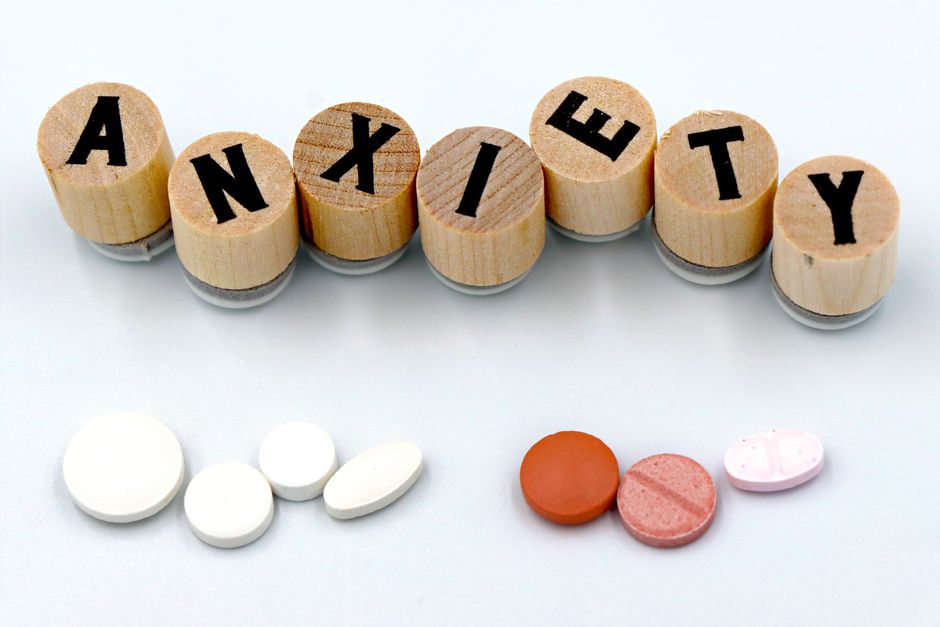
Anxiety is a normal human emotion, and it is also the core feature of several recognized psychiatric disorders. Whether anxiety itself counts as a psychiatric disorder depends entirely on how long it lasts, how intense it becomes, and how much it interferes with daily life. The short answer: occasional anxiety is not a disorder, but when it becomes persistent, excessive, and impairing, it meets the criteria for a psychiatric diagnosis.
Is Anxiety a Psychiatric Disorder?
Anxiety becomes a psychiatric disorder when it is persistent, disproportionate to the situation, and causes meaningful distress or impairment. The leading diagnostic manual used in the United States, the DSM-5, classifies several distinct anxiety disorders rather than one single condition.
These include generalized anxiety disorder, panic disorder, social anxiety disorder, specific phobias, agoraphobia, and separation anxiety disorder. Each has its own criteria, but they share features of excessive fear or worry that disrupt functioning.
The word “psychiatric” simply means these conditions are diagnosed and treated within mental health care. It does not imply the anxiety is imagined or less real than a physical illness. Anxiety disorders involve measurable changes in brain circuits, stress hormone regulation, and autonomic nervous system activity.
How Do Doctors Decide When Anxiety Becomes a Disorder?
Clinicians use established diagnostic criteria, not a single lab test or scan. The DSM-5 sets out specific requirements for duration, intensity, and functional impact that separate a disorder from ordinary worry.
For generalized anxiety disorder, the criteria require excessive anxiety and worry occurring more days than not for at least six months, along with difficulty controlling the worry. The anxiety must also be linked to symptoms such as restlessness, fatigue, poor concentration, irritability, muscle tension, or sleep problems.
For panic disorder, the key feature is recurrent unexpected panic attacks followed by persistent concern about having more attacks or changing behavior because of them. Social anxiety disorder centers on marked fear of social situations where a person might be judged.
Across all anxiety disorders, one requirement is consistent: the symptoms must cause significant distress or impairment in social, occupational, or other important areas of life. That functional impact is often the deciding factor.
What Is Happening in the Brain During an Anxiety Disorder?
Anxiety disorders involve real, measurable changes in how the brain processes threat. The amygdala, a structure that helps detect danger, becomes over-reactive to situations that are not actually threatening.
The prefrontal cortex, which normally helps regulate emotional responses and put threats in perspective, shows reduced control over the amygdala in many people with anxiety disorders. This imbalance means the alarm system fires more easily and the braking system works less effectively.
The body’s stress response also plays a role. The hypothalamic-pituitary-adrenal axis, which controls cortisol and other stress hormones, can become dysregulated. People with anxiety disorders often show altered cortisol patterns, though these findings vary between individuals.
Neurotransmitters including serotonin, norepinephrine, and GABA are involved in anxiety regulation. This is why medications that affect these systems can reduce symptoms. However, no single neurotransmitter explains anxiety disorders, and the condition is not simply a “chemical imbalance.”





Anxiety vs. Normal Worry: Where Is the Line?
Everyone experiences anxiety. It is a normal response to stress, danger, or uncertainty, and in short bursts it can actually improve focus and performance. The line between normal anxiety and a disorder comes down to degree, duration, and disruption.
Normal worry tends to be proportional to the situation, fades once the stressor passes, and does not stop someone from functioning. An anxiety disorder is excessive relative to the actual situation, persists even when there is no clear threat, and interferes with work, relationships, or daily tasks.
- Duration: Normal anxiety is temporary. An anxiety disorder persists for weeks or months.
- Proportionality: Normal anxiety matches the situation. Disorder-level anxiety is out of proportion.
- Control: Normal worry can be set aside. Disorder-level worry feels uncontrollable.
- Impact: Normal anxiety does not prevent functioning. An anxiety disorder often does.
It is also worth noting that anxiety and fear are not the same thing. Fear is the immediate response to a present threat. Anxiety is anticipation of a future threat. Anxiety disorders involve the anticipation system getting stuck in the “on” position.
How Common Are Anxiety Disorders?
Anxiety disorders are among the most common mental health conditions worldwide. The National Institute of Mental Health estimates that roughly one in five U.S. adults experiences an anxiety disorder in any given year.
They are more common in women than men, and they often begin in childhood or adolescence. Many people live with an anxiety disorder for years before receiving a diagnosis, partly because symptoms can feel like personality traits or everyday stress.
Anxiety disorders frequently occur alongside other conditions. Depression, substance use disorders, and chronic physical health conditions commonly overlap with anxiety. This overlap can make diagnosis more complex but does not change the underlying validity of the anxiety disorder diagnosis.
Are Anxiety Disorders Treatable?
Anxiety disorders respond well to treatment in many people. The two most studied approaches are psychotherapy and medication, and they are often used together.
Cognitive behavioral therapy is the most extensively researched form of psychotherapy for anxiety disorders. It focuses on identifying and changing the thought patterns and behaviors that maintain anxiety. Research consistently shows it can reduce symptoms, and benefits often persist after treatment ends.
Selective serotonin reuptake inhibitors and serotonin-norepinephrine reuptake inhibitors are commonly prescribed and have been studied extensively for anxiety disorders. Benzodiazepines can provide rapid relief but carry risks of dependence and are generally recommended for short-term use.
Other approaches with supporting evidence include exposure therapy, acceptance and commitment therapy, and certain relaxation techniques. Lifestyle factors such as regular physical activity and adequate sleep support overall mental health, though they are not replacements for evidence-based treatment.
Anyone experiencing persistent anxiety that interferes with daily life should speak with a healthcare provider. Effective help exists, and reaching out is a sign of strength, not weakness.
Why Does the “Psychiatric Disorder” Label Matter?
Calling anxiety a psychiatric disorder is not about labeling someone or minimizing their experience. It is about accuracy, access to care, and effective treatment.
A diagnosis helps clinicians choose treatments that have been tested for that specific condition. It also helps insurance systems recognize the condition as a legitimate medical issue deserving coverage. And it helps people understand that what they are experiencing is a recognized condition, not a personal failing.
At the same time, a diagnosis is a tool, not an identity. Many people with anxiety disorders live full, productive lives with appropriate support. The goal of diagnosis is to open the door to help, not to define who someone is.
Frequently Asked Questions
Is anxiety always a psychiatric disorder?
No. Anxiety is a normal emotion that everyone experiences, and it only becomes a psychiatric disorder when it is persistent, excessive, and causes significant distress or impairment. The DSM-5 sets specific criteria for when anxiety crosses that threshold.
What is the difference between anxiety and an anxiety disorder?
Anxiety is a temporary emotional response to stress, while an anxiety disorder is a persistent condition that interferes with daily functioning. Duration, intensity, and functional impact are the main factors that separate the two.
Can anxiety be diagnosed without a blood test?
Yes. Anxiety disorders are diagnosed through clinical evaluation based on established criteria, not lab tests or imaging. A doctor may order tests to rule out medical conditions that can mimic anxiety, such as thyroid problems.
Is anxiety a mental illness or just stress?
Anxiety disorders are recognized mental health conditions classified in the DSM-5, while stress is a normal response to life demands. When anxiety becomes chronic and impairing, it meets the criteria for a psychiatric diagnosis.
