
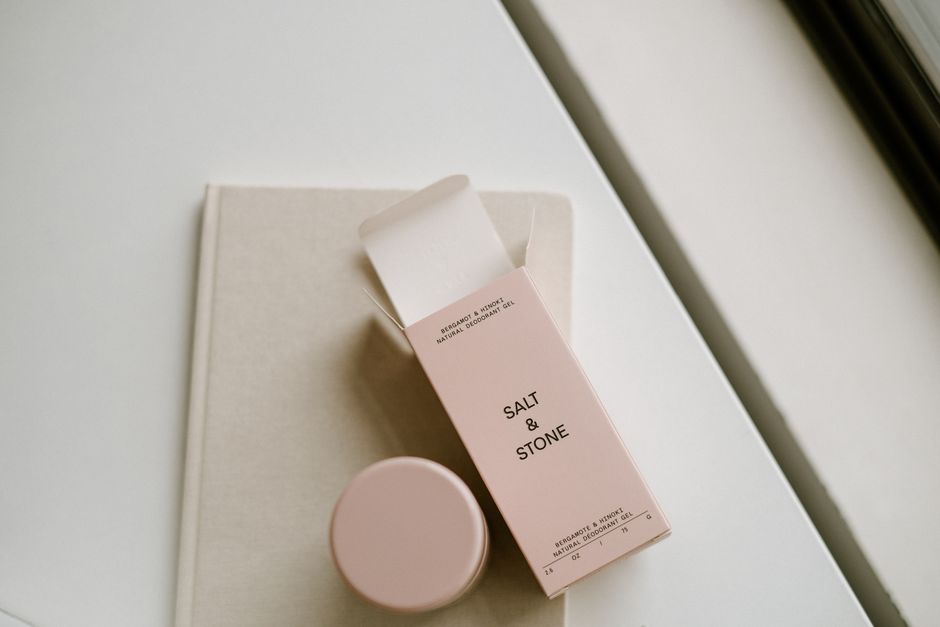
You have probably seen the headlines. Aluminium in deodorant causes cancer. It blocks your pores. It is dangerous. You might be standing in the store aisle right now wondering if you need to switch. The short answer is this: based on the best evidence we have as of 2026, aluminium in antiperspirants is not proven to cause breast cancer or Alzheimer’s disease. Major health organizations like the American Cancer Society and the National Cancer Institute have reviewed the research and found no strong link. That is the honest starting point. Now let us look at what the actual studies say, what the real risks are, and how to make a choice you feel good about.
What Is Aluminium Doing in Your Deodorant Anyway?
First, a quick distinction. Deodorant and antiperspirant are not the same thing. Deodorant kills bacteria that cause odor. Antiperspirant stops you from sweating. Aluminium is only in antiperspirants. It works by forming a temporary gel-like plug inside your sweat ducts. This physically blocks sweat from reaching the surface. The effect wears off as your skin cells naturally shed.
Aluminium compounds used in antiperspirants include aluminium chlorohydrate and aluminium zirconium. The FDA regulates these as over-the-counter drugs, not cosmetics. That means they go through safety reviews. The FDA has approved them for use at certain concentrations. This does not mean they are risk-free for everyone. It means the agency considers them safe for the general population when used as directed.
Some people confuse aluminium in antiperspirants with aluminium in vaccines or cookware. They are different forms and different exposure routes. Your skin is a good barrier. Very little of what you put on it gets into your bloodstream. Research measuring aluminium absorption through underarm skin shows it is minimal compared to what you get from food or drinking water.
Does Aluminium in Antiperspirant Cause Breast Cancer?
This is the most common worry. The idea started because breast cancers often develop in the upper outer area of the breast near the armpit. Some researchers wondered if antiperspirant ingredients could be absorbed and affect breast tissue. Early lab studies suggested aluminium salts could mimic estrogen in cells. That raised a red flag because estrogen can promote some breast cancers.
But lab studies on isolated cells do not tell you what happens in a living human body. Larger population studies have not found a connection. A 2014 study published in the Journal of the National Cancer Institute followed over 150,000 women for nearly ten years. It found no link between antiperspirant or deodorant use and breast cancer risk. A 2019 review in the journal Critical Reviews in Toxicology looked at all available human studies and concluded there was no consistent evidence of harm.
One thing that complicates the research is that women who shave their underarms and use antiperspirant might have tiny nicks in the skin. In theory, this could increase absorption. But even looking at that subgroup, studies have not found elevated cancer rates. The American Cancer Society states clearly that there is no strong evidence linking antiperspirant use to breast cancer.
Is There a Link Between Aluminium and Alzheimer’s Disease?
The Alzheimer’s concern goes back to the 1960s when researchers found elevated aluminium levels in the brains of some Alzheimer’s patients. That observation started decades of debate. But finding aluminium in the brain does not mean it caused the disease. It could be a coincidence or a result of the disease process itself.
Since then, hundreds of studies have tried to connect aluminium exposure to Alzheimer’s. The results have been inconsistent. Some studies find a weak association. Others find none. Large reviews by the World Health Organization and the Alzheimer’s Association have concluded that there is not enough evidence to say aluminium causes Alzheimer’s. The strongest evidence actually points to other factors like genetics, inflammation, and protein buildup in the brain.
Here is what many people do not realize. Your body has natural mechanisms to keep aluminium out of your brain. It is called the blood-brain barrier. It is very effective at blocking most aluminium from entering. Even if you absorb some through your skin, your kidneys filter it out and you excrete it in urine. People with kidney disease may have higher aluminium levels because they cannot clear it as well. But for someone with healthy kidneys, the amount from antiperspirant is tiny compared to dietary sources like baked goods, processed cheese, and some vegetables.





What Does the Research on Aluminium in Deodorant Actually Show?
Let us be specific about what the evidence says and does not say. A 2020 study in the International Journal of Environmental Research and Public Health measured aluminium levels in women who used antiperspirant for 14 days. They found a small increase in blood aluminium levels. But the levels remained far below any known toxic threshold. The study authors noted that this does not prove harm. It just shows absorption happens in measurable amounts.
Research published in the Journal of Trace Elements in Medicine and Biology looked at aluminium in breast tissue. They found higher levels in the outer breast area of women who used antiperspirant. But again, finding a substance in tissue does not prove it causes disease. Your lungs have carbon particles in them from breathing city air. That does not mean every city dweller gets lung cancer. Context matters.
The strongest evidence we have comes from large epidemiological studies. These are studies that track thousands of people over time and look for patterns. The Nurses’ Health Study, which has followed over 100,000 women since 1976, found no increased breast cancer risk from antiperspirant use. When multiple high-quality studies all point the same direction, that is meaningful. The weight of evidence currently says aluminium antiperspirants are safe for most people.
Are There Any Real Risks or Side Effects?
Yes, there are some real side effects, but they are not cancer or Alzheimer’s. The most common issue is skin irritation. Aluminium compounds can be drying and irritating, especially if you have sensitive skin or eczema. Some people develop a red, itchy rash under their arms. This is usually contact dermatitis, not a sign of toxicity. Switching to a different formulation or a lower concentration often solves it.
Another concern is that blocking sweat might interfere with your body’s natural cooling system. This is technically true for antiperspirants. They reduce sweating in the applied area. But your body has millions of other sweat glands all over your body. Blocking a small area under each arm does not raise your core body temperature in any meaningful way. Studies have tested this and found no difference in body temperature regulation between antiperspirant users and non-users during exercise.
Some people worry about aluminium building up in the body over decades of use. The research on long-term accumulation is limited. But what we know about how the body processes aluminium suggests it does not build up in healthy people. Your kidneys clear it efficiently. Unless you have chronic kidney disease, your body handles the small amount from antiperspirant without trouble. If you do have kidney disease, talk to your doctor. They may recommend avoiding aluminium-containing products.
Here is a quick comparison of the main concerns and what the evidence actually shows:
| Concern | What Research Says |
|---|---|
| Breast cancer | No strong link found in large population studies |
| Alzheimer’s disease | Inconsistent evidence; major health organizations say link is not proven |
| Skin irritation | Real and fairly common, especially with sensitive skin |
| Body temperature issues | Not a concern; other sweat glands compensate |
| Kidney burden | Only a concern for people with chronic kidney disease |
What Should You Do If You Want to Avoid Aluminium?
Maybe you have read the research and still feel uneasy. That is a valid personal choice. Many people prefer to avoid aluminium simply because they do not want to put anything unnecessary on their skin. The good news is there are effective alternatives. Natural deodorants use ingredients like baking soda, cornstarch, coconut oil, or magnesium hydroxide to control odor. They do not block sweat. They just make it smell less.
Some things to know if you switch. Natural deodorants often take a week or two to work well. Your body has to adjust. You may notice more sweating at first. That is normal. Some natural deodorants can also cause irritation, especially those with baking soda. If your skin gets red, try a brand with a different base like magnesium or charcoal. There is no evidence that natural deodorants are healthier. They just have different ingredients.
If you want to reduce exposure without going fully natural, you can use antiperspirant less often. You do not need to apply it every day. Many people find they can skip a day or two and still stay dry. You can also wash your underarms before applying to remove any residue from previous use. This does not change absorption much, but it may give you peace of mind.
Here are practical steps if you are unsure:
- Check the label. If it says antiperspirant, it contains aluminium. If it says deodorant only, it likely does not.
- Try a crystal deodorant. These use mineral salts like potassium alum. They are not aluminium-free technically, but the molecule is too large to be absorbed through skin.
- Patch test any new product on your inner arm before using it under your arms.
- Talk to your doctor if you have kidney disease, breast cancer history, or unexplained skin reactions.
Frequently Asked Questions
Does aluminium in deodorant cause cancer?
Major health organizations including the American Cancer Society say there is no strong evidence linking aluminium antiperspirants to cancer. Large studies have not found an increased risk.
Is aluminium-free deodorant safer than regular deodorant?
There is no evidence that aluminium-free deodorant is safer. It is a personal preference based on ingredient choice, not proven health risk.
Can aluminium in antiperspirant be absorbed through the skin?
Yes, small amounts can be absorbed. But the levels are far below any known toxic threshold and your kidneys clear it efficiently.
Should people with kidney disease avoid aluminium antiperspirants?
Yes, if you have chronic kidney disease, talk to your doctor. Your kidneys may not clear aluminium as well, so avoiding it is a reasonable precaution.
