
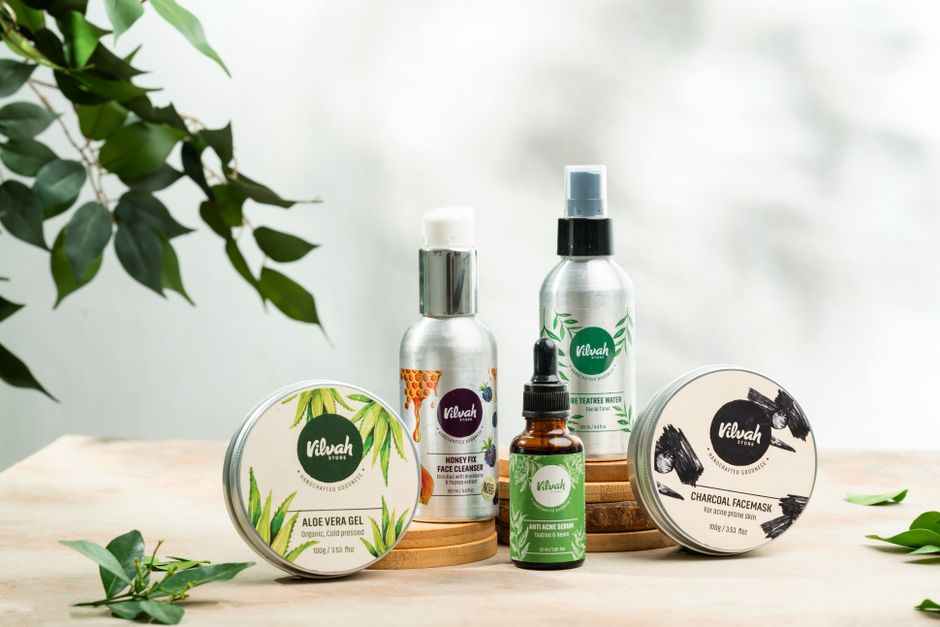
Aloe vera is one of the most popular natural remedies for skin conditions, and acne is no exception. For many people, the answer is yes: aloe vera can help soothe active breakouts and support skin healing. However, it is not a cure for acne on its own. Clinical evidence shows it works best as a complementary treatment alongside proven acne therapies, not as a replacement for them.
What Makes Aloe Vera Helpful for Acne-Prone Skin?
Aloe vera contains several compounds that directly address the factors involved in acne. The two most relevant are anti-inflammatory compounds and polysaccharides that support skin repair.
Acne is fundamentally an inflammatory condition. When a pore becomes blocked with oil and dead skin cells, bacteria multiply and the immune system responds with redness, swelling, and pain. Aloe’s natural anti-inflammatory properties can reduce that response. This means a pimple may look less red and swollen within a day or two of consistent application.
The gel also provides lightweight moisture. Many acne treatments, especially benzoyl peroxide and retinoids, dry out the skin. Dry, irritated skin produces more oil to compensate, which can worsen breakouts. Aloe helps maintain moisture without clogging pores, making it a practical partner to harsher treatments.
What the Research Actually Shows
Some clinical studies have tested aloe vera specifically for acne. Research published in the Journal of Dermatological Treatment found that a combination of aloe vera gel and the prescription medication tretinoin was more effective at clearing acne lesions than tretinoin alone. The aloe appeared to enhance the treatment’s effects while reducing the irritation tretinoin commonly causes.
Other studies have looked at aloe as a standalone treatment. The results are less convincing. While aloe does calm inflammation, it does not kill the bacteria that contribute to acne, nor does it normalize the shedding of dead skin cells inside the pore the way salicylic acid or retinoids do. For mild acne with few lesions, aloe alone may produce modest improvement. For moderate to severe acne, it is unlikely to be sufficient.
One important detail: most commercial acne products contain very little actual aloe. If aloe appears near the bottom of an ingredient list, it is likely present in a cosmetic amount too small to have a meaningful effect.
How to Use Aloe Vera for Acne
If you want to try aloe for acne, the form matters. Pure aloe vera gel from the leaf is the most reliable option. Look for products with a high concentration of aloe and minimal added ingredients. Avoid gels that contain alcohol, fragrance, or artificial colors — these can irritate acne-prone skin and undo any benefit.
You can also use the gel directly from a cut aloe leaf if you have a plant at home. The fresh gel is stable for a few days if refrigerated, but it degrades quickly. For consistency, a commercial product with a short ingredient list is often easier to use daily.
A simple routine looks like this:
- Cleanse your face with a gentle, non-comedogenic cleanser.
- Apply a thin layer of pure aloe gel to active breakouts or the entire face.
- Wait for it to absorb, then apply your regular moisturizer if needed.
- Use once or twice daily, depending on how your skin responds.
Aloe is generally well tolerated, but patch test first. Apply a small amount to the inside of your forearm and wait 24 hours. If you develop redness, itching, or burning, do not use it on your face.





Does Aloe Vera Help With Acne Scars?
Aloe vera does not erase existing acne scars. No topical product can remove scar tissue that has already formed. However, aloe may help with the appearance of post-inflammatory hyperpigmentation — the dark or red marks left after a pimple heals.
One compound in aloe, called aloin, has been studied for its ability to inhibit melanin production. Some research suggests it may lighten hyperpigmentation over time. The effect is modest and slow, typically taking weeks of consistent use. It will not match the results of prescription lightening agents like hydroquinone or procedures like chemical peels.
For raised or pitted scars, aloe has no proven benefit. Those require professional treatments such as laser therapy, microneedling, or dermal fillers. If scarring is a concern, see a dermatologist rather than relying on topical remedies.
Aloe Vera vs. Proven Acne Treatments
It helps to be clear about where aloe fits in the acne treatment hierarchy. Dermatologists generally recommend a stepped approach:
- Mild acne: Over-the-counter benzoyl peroxide or salicylic acid as first-line options.
- Moderate acne: Topical retinoids, often combined with benzoyl peroxide or an antibiotic.
- Severe or resistant acne: Oral medications such as isotretinoin, hormonal therapies, or spironolactone in women.
Aloe does not replace any of these. It is best understood as a supportive agent that reduces irritation and supports healing while the primary treatment does the work. Some dermatologists recommend aloe to patients using retinoids specifically because it calms the redness and peeling those medications cause.
There is no evidence that aloe prevents acne from forming in the first place. It does not regulate oil production or prevent pores from clogging. Its value is in managing the symptoms of existing breakouts and improving skin comfort during treatment.
Are There Any Risks or Side Effects?
Aloe vera is safe for most people when applied to the skin. Allergic reactions are uncommon but possible. People with sensitivity to plants in the Liliaceae family — which includes garlic, onions, and tulips — may be more likely to react to aloe.
Do not ingest aloe vera gel for acne. Oral aloe has a laxative effect and can cause cramping and diarrhea. There is no evidence that drinking aloe juice improves acne, and it carries real risks, including potential kidney damage with prolonged use at high doses.
If you are pregnant or breastfeeding, topical aloe is generally considered safe, but oral aloe is not recommended. As with any new skin product during pregnancy, check with your healthcare provider first.
What to Look for in an Aloe Product
The market is full of products labeled “aloe vera” that contain mostly water, thickeners, and preservatives. To get a genuine effect, look for:
- Aloe vera gel or aloe leaf juice listed as the first ingredient
- A short ingredient list
- No alcohol, fragrance, or essential oils
- A product specifically labeled for face use
Some brands sell aloe gel with added ingredients like tea tree oil or witch hazel. These are not inherently bad, but they add potential irritants. If you want to isolate aloe’s effect, choose the purest product available.
When to See a Dermatologist Instead
Aloe is a reasonable addition to a skincare routine, but it should not delay professional care when it is needed. See a dermatologist if:
- You have painful, deep, or cystic breakouts
- Over-the-counter treatments have not improved your skin after 8 to 12 weeks
- Acne is affecting your mood or self-esteem
- You are developing scars or dark marks that do not fade
Prescription treatments work far faster and more reliably than any natural remedy. Combining them with aloe for comfort is sensible. Replacing them with aloe is not.
Frequently Asked Questions
Can aloe vera get rid of acne overnight?
No. Aloe can reduce redness and swelling within a day, but it does not clear a pimple overnight. Acne lesions take days to resolve regardless of what you apply.
Is it safe to leave aloe vera on my face overnight?
Yes, for most people. Pure aloe gel is lightweight and non-comedogenic, meaning it does not clog pores. If you notice dryness or irritation, wash it off after 20 to 30 minutes instead.
Can I use aloe vera with benzoyl peroxide?
Yes. Applying aloe after benzoyl peroxide can reduce the dryness and peeling that medication often causes. Wait for the benzoyl peroxide to dry completely before applying aloe.
Does aloe vera work for hormonal acne?
Aloe can soothe the inflammation of hormonal breakouts, but it does not address the hormonal cause. Hormonal acne typically requires treatment like oral contraceptives or spironolactone to manage effectively.
