
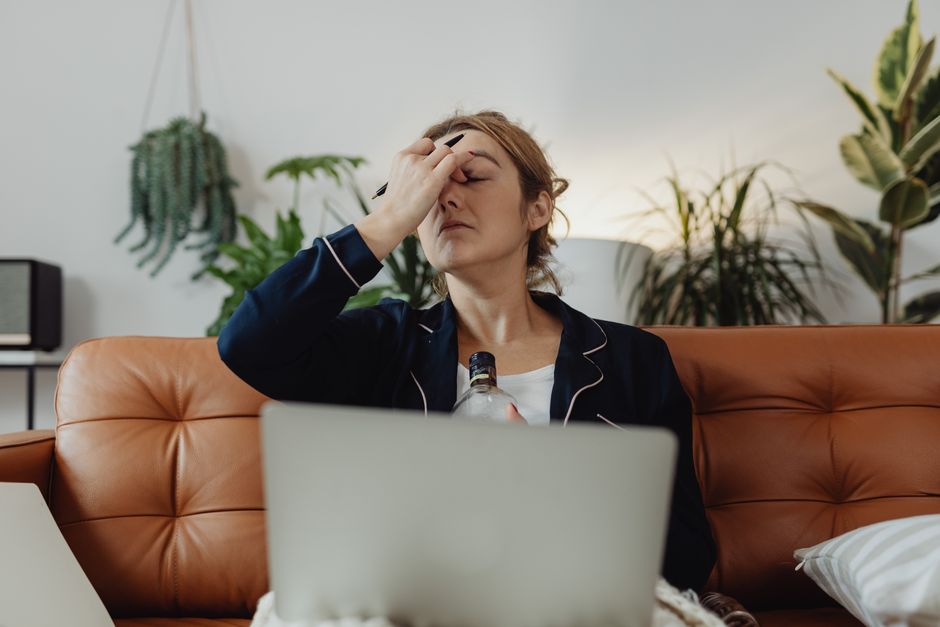
Alcohol does not cause constipation in the way most people assume. It actually tends to loosen stool and cause diarrhea, especially with heavy drinking. But the full picture is more complicated than that. Alcohol can contribute to constipation indirectly through dehydration, disrupted gut motility, and changes in diet and routine. Whether it helps or hurts depends on how much you drink and what else is going on in your body.
What Does Alcohol Actually Do to Your Digestive System?
Alcohol affects the gut at every level. It changes how fast food moves through your intestines, how much water your stool retains, and how well your gut bacteria function.
When you drink, alcohol is absorbed quickly through the stomach and small intestine. It then enters the bloodstream and reaches nearly every organ, including the digestive tract. The effects on bowel function depend heavily on dose and frequency.
At low to moderate intake, alcohol can speed up gastric emptying — the rate at which food leaves your stomach. It also can accelerate transit through the small intestine. That faster movement gives the colon less time to absorb water from waste, which tends to produce looser stools.
Heavy drinking changes the picture. Chronic alcohol use can damage the nerves and muscles that coordinate bowel movements. It can also alter the balance of gut bacteria, reduce absorption of nutrients, and inflame the intestinal lining. Over time, this can lead to alternating bouts of diarrhea and constipation rather than one or the other.
A less obvious point: alcohol’s effect on the gut is not just about the alcohol itself. Mixers, sugary drinks, and the food you eat while drinking all play a role. So does the dehydration that follows.
Why Does Alcohol Often Cause Diarrhea Instead of Constipation?
Diarrhea is the more common digestive complaint linked to drinking. The reasons are well established.
Alcohol draws water into the intestines. This is called an osmotic effect. When more water stays in the bowel, stool becomes loose. Alcohol also stimulates the muscles of the colon, pushing contents through faster than normal.
There is another factor. The body breaks alcohol down into a compound called acetaldehyde, which is toxic to cells. In the gut, acetaldehyde can irritate the intestinal lining and interfere with the absorption of water and electrolytes.
Heavy or binge drinking makes all of this worse. Many people also experience urgent, watery stools the morning after drinking. Some of this is related to what was eaten or drunk the night before — spicy food, high-fat meals, or large amounts of sugary mixers.
Certain medications taken with alcohol, including some antibiotics and diabetes drugs, can also cause diarrhea. If diarrhea starts after a new medication, that is worth mentioning to a doctor.
Can Alcohol Cause Constipation?
Yes, but usually indirectly. Alcohol itself is not a constipating agent in the way that opioid pain medications are. The constipation linked to drinking comes from a chain of secondary effects.
The most direct cause is dehydration. Alcohol is a diuretic, meaning it increases urine output. When you lose more fluid than you take in, your body pulls water from stool to compensate. Hard, dry stool is harder to pass.
Heavy drinking also can slow the colon over time. Chronic alcohol use is associated with damage to the enteric nervous system — the network of nerves that controls gut movement. When those nerves do not function properly, bowel movements can become sluggish and irregular.
Diet plays a big role too. People who drink heavily often eat less fiber and fewer whole foods. Alcohol can also reduce the absorption of certain nutrients, including some B vitamins and magnesium, that support normal muscle and nerve function in the gut.
So the answer is not simple. A single drink is unlikely to cause constipation. Regular heavy drinking can contribute to it through several overlapping mechanisms.




How Does Dehydration From Alcohol Lead to Hard Stool?
The colon’s main job is to absorb water from waste before it leaves the body. When you are well hydrated, this process works smoothly and stool stays soft. When you are dehydrated, the colon pulls more water out of the stool, leaving it dry and difficult to pass.
Alcohol makes dehydration more likely for a few reasons:
- It suppresses the hormone that helps your kidneys retain water, so you urinate more.
- It can cause sweating and vomiting, which add to fluid loss.
- It often replaces water in your diet — you drink alcohol instead of water.
- Hangover symptoms like headache and fatigue are partly signs of dehydration.
Rehydrating with water and eating water-rich foods can help reverse this. But if constipation has already set in, it may take a day or two of consistent fluid intake to soften stool again.
Does the Type of Alcohol Matter for Constipation?
There is no strong evidence that one type of alcohol is more or less likely to cause constipation than another. What matters more is the amount consumed and how often.
That said, some drinks come with added factors. Sugary cocktails and mixed drinks can worsen diarrhea because of the sugar content. Dark liquors like whiskey and red wine contain compounds called congeners, which some people find worsen hangover symptoms. But these differences are about general tolerance, not constipation specifically.
Beer contains some carbohydrates and trace nutrients, but the alcohol content is what drives the dehydrating effect. Wine and spirits are similar in that regard. The key variable is dose, not type.
What About Alcohol and Gut Bacteria?
Alcohol changes the mix of bacteria in your gut. Research consistently shows that heavy drinking is associated with an imbalance between beneficial and harmful bacteria — a state called dysbiosis.
Dysbiosis can affect how well your gut digests food, absorbs nutrients, and manages inflammation. Some studies suggest it may contribute to both diarrhea and constipation, depending on which bacterial populations shift.
This area of research is still developing. Scientists have not yet identified a specific bacterial pattern that reliably predicts constipation in drinkers. What is clear is that heavy alcohol use disrupts the gut microbiome, and a disrupted microbiome can affect bowel habits.
The gut lining also becomes more permeable with heavy drinking, a condition sometimes called “leaky gut.” This allows substances that normally stay in the intestine to enter the bloodstream, which can trigger inflammation. How much this contributes to constipation specifically is not fully understood.
When Should You Talk to a Doctor About Constipation and Alcohol?
Occasional constipation is common and usually not dangerous. But certain situations warrant a medical conversation.
See a doctor if constipation lasts more than three weeks, if it alternates with diarrhea without a clear cause, or if you notice blood in your stool. Unexplained weight loss, severe abdominal pain, or a sudden change in bowel habits after age 50 also need evaluation.
If you drink heavily and have ongoing digestive problems, it is worth discussing your alcohol use with a doctor. Heavy drinking affects far more than the gut — it impacts the liver, heart, brain, and immune system. A doctor can help you understand the full picture without judgment.
Some medications for constipation are available over the counter, including fiber supplements, osmotic laxatives, and stimulant laxatives. Each works differently and is appropriate for different situations. A pharmacist or doctor can help you choose. Do not use stimulant laxatives regularly without medical guidance.
Can You Prevent Alcohol-Related Constipation?
If you drink, there are steps that may reduce the risk of constipation. These are general measures, not guarantees.
- Drink water between alcoholic drinks and before bed.
- Eat fiber-rich foods on days you drink — vegetables, whole grains, legumes.
- Avoid replacing meals with alcohol.
- Limit heavy drinking episodes.
- Stay physically active, which supports normal bowel motility.
None of these eliminate the effects of alcohol on the gut. They reduce some of the secondary causes, like dehydration and poor diet. If constipation persists despite these steps, the cause may be something else entirely.
It is also worth knowing that constipation has many causes unrelated to alcohol — low fiber intake, certain medications, thyroid problems, irritable bowel syndrome, and pelvic floor dysfunction among them. Blaming alcohol alone may miss the real issue.
Does Quitting Alcohol Help With Constipation?
For some people, yes. If heavy drinking is contributing to dehydration, poor diet, or gut nerve damage, reducing or stopping alcohol can improve bowel function over time.
But the timeline varies. Some people notice improvement within days as hydration normalizes. Others may take weeks or months, especially if there has been long-term damage to the gut or nerves. And some people find that their bowel habits do not change much at all, which suggests alcohol was not the main cause.
If you are considering cutting back, it is worth talking to a doctor first — especially if you drink heavily. Alcohol withdrawal can be medically serious and should be managed with support.
Frequently Asked Questions
Does alcohol cause constipation or diarrhea?
Alcohol more commonly causes diarrhea, especially with heavy drinking, because it speeds up gut transit and draws water into the bowel. Constipation can occur indirectly through dehydration and long-term gut changes.
How long after drinking can constipation start?
Constipation from dehydration can begin within a day of heavy drinking. If it is related to chronic gut changes, it may develop gradually over weeks or months of regular heavy use.
Does beer cause constipation?
Beer is not more likely to cause constipation than other alcohol types. The dehydrating effect of alcohol itself is the main factor, not the type of drink.
Can quitting alcohol fix constipation?
It may help if alcohol was contributing to dehydration or gut dysfunction, but improvement varies. Some people see changes within days, while others may not notice a difference if another cause is responsible.
