
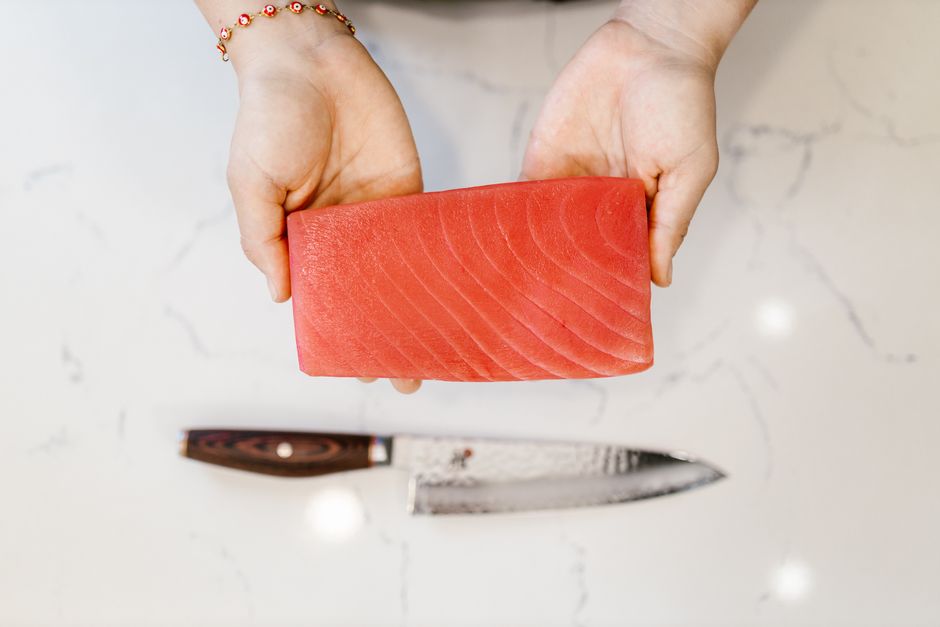
Albacore tuna is a popular fish choice for many American households, often found in canned form on grocery store shelves. The short answer is that albacore tuna can be a healthy part of your diet because it is rich in protein, omega-3 fatty acids, and several essential vitamins. However, it also carries a specific concern about mercury content that requires you to be mindful of how often you eat it. The key to making albacore tuna a healthy choice is understanding the balance between its nutritional benefits and the risks associated with regular consumption.
What Is the Nutritional Profile of Albacore Tuna?
Albacore tuna is a lean source of high-quality protein. A standard 3-ounce serving of canned albacore tuna packed in water provides roughly 20-22 grams of protein. This makes it an excellent option for muscle maintenance, tissue repair, and keeping you feeling full after a meal.
Beyond protein, albacore is one of the best dietary sources of omega-3 fatty acids, specifically EPA and DHA. These fats are well-established for supporting heart health, reducing inflammation, and contributing to brain function. The American Heart Association recommends eating fish, particularly fatty fish, at least twice a week to get these benefits.
Albacore also provides a significant amount of vitamin D and selenium. Selenium acts as an antioxidant in the body, helping to protect cells from damage. Vitamin D is essential for bone health and immune function, and it is hard to get from food sources alone.
How Much Mercury Is in Albacore Tuna?
The main health concern with albacore tuna is its mercury content. Mercury is a heavy metal that accumulates in the environment and works its way up the food chain. Larger fish that live longer, like albacore, tend to have higher mercury levels than smaller fish.
Albacore is classified as a “white” tuna, and it contains significantly more mercury than “light” tuna, which is typically skipjack. The U.S. Food and Drug Administration (FDA) places albacore in the “Good Choices” category for fish consumption. This category advises eating one serving per week. In contrast, “light” tuna falls into the “Best Choices” category, which allows for two to three servings per week.
This difference matters. A single serving of albacore can contain roughly three times the mercury of a serving of light tuna. This does not mean you cannot eat albacore. It simply means you need to be more careful about your portion size and frequency.
What Are the Guidelines for Eating Albacore Tuna Safely?
For most healthy adults, eating albacore tuna once a week is considered safe. A standard serving size is about 4 ounces before cooking, or roughly 3 ounces when canned and drained. Sticking to this limit helps you avoid accumulating harmful levels of mercury over time.
Mercury builds up in the body. If you eat high-mercury fish frequently, the levels can rise and potentially cause health problems. Chronic exposure to elevated mercury can affect the nervous system. Symptoms might include numbness, tingling, or memory problems, though these are more associated with higher exposure levels than typical dietary intake.
The concern is greater for certain populations. Pregnant women, those planning to become pregnant, and breastfeeding mothers should be especially cautious. The developing nervous system of a fetus and infant is highly vulnerable to mercury. For these groups, the FDA advises limiting albacore to no more than one serving per week, or choosing lower-mercury options like light tuna, salmon, or sardines instead.
Children also need smaller portions. A child’s serving size should be smaller than an adult’s, and parents should monitor how much albacore they give their kids each week. It is best to follow the same general principle: keep total weekly intake of high-mercury fish low.





Is Canned Albacore Tuna as Healthy as Fresh?
Canned albacore is a convenient and affordable way to get the benefits of fish without the hassle of cooking a fresh fillet. Nutritionally, canned albacore packed in water is very similar to fresh albacore. The canning process does not significantly degrade the protein or omega-3 content.
One thing to watch for is the packing liquid. Albacore packed in oil will have more calories and fat than albacore packed in water. If you are watching your calorie intake, choose water-packed varieties. You can also rinse the tuna after draining it to remove some of the excess sodium added during processing.
Sodium is another consideration. Canned tuna often has added salt. If you are managing high blood pressure or following a low-sodium diet, check the label. Look for “no salt added” versions if sodium is a concern for you.
What Are the Health Benefits of Eating Albacore Tuna?
Regular consumption of fish like albacore is linked to several positive health outcomes. The omega-3 fatty acids are the primary driver of these benefits. Research consistently shows that omega-3s can help lower triglycerides, reduce blood pressure slightly, and decrease the risk of abnormal heart rhythms.
Eating fish is also associated with a lower risk of stroke and heart failure. The combination of protein, healthy fats, and essential nutrients makes it a nutrient-dense food. It provides a lot of nutritional value for relatively few calories.
For older adults, the omega-3s in fish may also support cognitive health. Some studies suggest that diets rich in fish are linked to a slower rate of cognitive decline. The evidence here is promising but not definitive. It is one more reason to include fish in your diet, but it should not be treated as a guaranteed way to prevent dementia.
Are There Risks Beyond Mercury?
Mercury is the main concern, but there are a few other things to know. Albacore is a predatory fish, which means it can also contain other environmental contaminants like PCBs, though typically at lower levels than mercury. The health benefits of eating fish generally outweigh the risks of these contaminants for most people.
Allergic reactions to fish are possible and can be serious. If you have a known fish allergy, you must avoid albacore tuna entirely. This is a distinct issue from mercury and requires complete avoidance, not just limiting intake.
Another point to consider is sustainability. Some albacore fisheries are managed more sustainably than others. If this matters to you, look for certifications from organizations like the Marine Stewardship Council (MSC) on the label. This is an environmental choice rather than a health one, but it is a factor many consumers weigh.
How Does Albacore Compare to Other Fish?
Understanding where albacore sits among other fish can help you make better choices. The following table compares common options based on typical mercury levels and the FDA’s general consumption advice.
| Fish Type | Mercury Level | FDA Category | Typical Serving Advice |
|---|---|---|---|
| Albacore (White) Tuna | Medium | Good Choices | 1 serving per week |
| Light Tuna (Skipjack) | Low | Best Choices | 2-3 servings per week |
| Salmon | Low | Best Choices | 2-3 servings per week |
| Swordfish | High | Choices to Avoid | Avoid |
This table shows that albacore is a middle-ground option. It is better than high-mercury fish like swordfish or shark, but it requires more caution than low-mercury fish like salmon or light tuna. Varying the types of fish you eat is the best strategy. This way, you get the benefits of different nutrients while limiting your exposure to any single contaminant.
What Is the Bottom Line for Your Diet?
Albacore tuna is a healthy food that you can include in your regular diet without worry, as long as you respect the serving limits. For a healthy adult, one 3-ounce serving per week is a reasonable and safe target. It is a convenient source of protein and omega-3s that supports heart and overall health.
If you are pregnant, nursing, or feeding young children, you should be more careful. Choose light tuna or other low-mercury fish more frequently, and treat albacore as an occasional choice rather than a weekly staple. The guidance for these groups is stricter because the stakes are higher.
Ultimately, the healthiest approach is variety. Do not rely on any single food for all your nutrition. Rotate albacore with salmon, sardines, mackerel, and plant-based protein sources. This gives you a broad range of nutrients and keeps your mercury exposure low. Albacore can absolutely be part of a healthy diet—it just needs to be part of a bigger picture.
Frequently Asked Questions
Is albacore tuna safe to eat every day?
No, eating albacore tuna every day is not recommended due to its mercury content. The FDA advises limiting albacore to one serving per week to avoid mercury buildup.
What is the difference between albacore and light tuna?
Albacore is a larger fish with whiter flesh and higher mercury levels, while light tuna is typically skipjack, which is smaller and has lower mercury. Light tuna is generally considered a “Best Choice” while albacore is a “Good Choice” for consumption frequency.
Can pregnant women eat albacore tuna?
Pregnant women can eat albacore tuna but should limit it to no more than one serving per week. Choosing lower-mercury fish like salmon or light tuna is a safer option for this group.
Does rinsing canned tuna reduce the mercury?
No, rinsing canned tuna does not remove mercury. Mercury is bound within the fish’s muscle tissue, so draining and rinsing only removes some sodium and oil, not heavy metals.
