
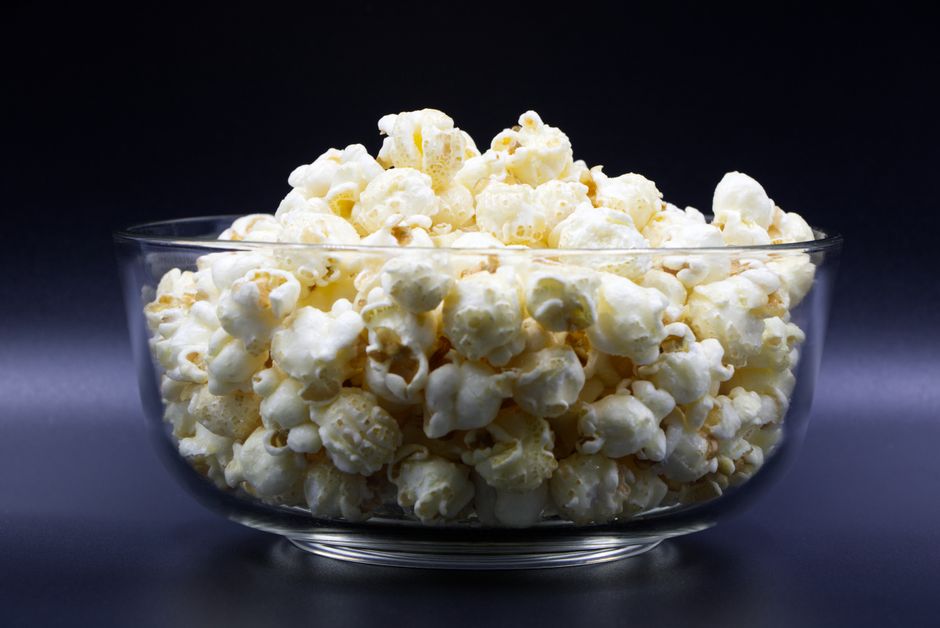
Air popped popcorn is a whole grain snack that can genuinely fit a healthy diet. It is low in calories and fat when made plain, and it delivers fiber and several nutrients. The catch is that most of popcorn’s reputation problem comes from what gets added after popping, not from the corn itself.
Popcorn is a whole grain. The kernel is the entire grain — bran, germ, and endosperm — which is why it carries fiber and minerals that refined snacks lack. Air popping uses hot air instead of oil, so it skips added fat entirely. What determines whether a bowl of popcorn is a good choice is portion size and toppings.
Is Air Popped Popcorn Healthy?
Plain air popped popcorn is one of the better snack options available, mainly because of its fiber content and low calorie density. A three-cup serving of plain air popped popcorn contains roughly 90-100 calories and about 3.5 grams of fiber, based on USDA nutritional data. That is a large volume of food for relatively few calories.
Volume matters for satiety. Popcorn is mostly air, so a serving fills a bowl and takes time to eat. Foods with low calorie density tend to help people feel full on fewer calories, and popcorn fits that pattern. It is not a meal replacement and it is not a “superfood” — it is simply a snack that performs well on several measures.
Popcorn also contains small amounts of several nutrients, including magnesium, phosphorus, and potassium. The polyphenols in popcorn — antioxidant compounds concentrated in the hull — have drawn research interest. Some studies suggest popcorn contains meaningful levels of these compounds, but it is important to keep that in perspective. Antioxidant content in a lab measurement does not automatically translate into a health benefit in the body. No large human trials have confirmed that popcorn’s polyphenols produce specific health outcomes.
One point worth clarifying: popcorn is a whole grain, but it is not a substitute for other whole grains like oats, brown rice, or whole wheat. It contributes to whole grain intake, but the fiber and nutrient profile differs from grain foods eaten in larger portions.
How Does Air Popped Popcorn Compare to Other Snacks?
Air popped popcorn compares favorably to many common snack foods on calorie density and fiber, though the comparison depends entirely on preparation. The table below uses approximate values for plain, unbuttered versions.
| Snack (approximate serving) | Calories | Fat | Fiber |
|---|---|---|---|
| Air popped popcorn (3 cups) | ~90-100 | ~1 g | ~3.5 g |
| Potato chips (1 oz) | ~150-160 | ~10 g | ~1 g |
| Pretzels (1 oz) | ~110 | ~1 g | ~1 g |
| Buttered movie theater popcorn (3 cups) | ~400+ | ~30 g | ~3 g |
The last row is the one that matters most. The same corn, popped in oil and topped with butter-flavored topping, can carry several times the calories and a large share of the fat. Movie theater popcorn is a different food from air popped popcorn in practical terms.
Against chips and pretzels, plain air popped popcorn wins on fiber and usually on calorie density per volume. Against a handful of nuts, the comparison is less clear — nuts carry more fat and more calories but also more protein and a different nutrient profile. Both can fit a healthy diet.
What Happens When You Add Butter, Oil, or Flavorings?
Toppings are where most popcorn goes from a light snack to a calorie-dense one. Butter, oil, cheese powder, and caramel coatings add fat and sugar quickly because popcorn’s surface area is enormous — a small amount of topping spreads across a large volume of food.
There is a practical trap here. People tend to measure toppings by eye, and a “light drizzle” of butter over three cups of popcorn can add well over 100 calories without feeling like much. The same applies to oil used during stovetop or microwave popping.
Flavoring without fat is straightforward. Nutritional yeast adds a savory, cheese-like flavor with minimal calories and some B vitamins. Herbs, garlic powder, smoked paprika, chili powder, and black pepper add flavor with no meaningful calories. A light spray of cooking oil helps seasonings stick with far less fat than pouring butter.
Watch for pre-packaged microwave popcorn. Many varieties contain added oil, salt, and flavorings, and some carry substantial saturated fat. Plain microwave popcorn without added oil exists, and label reading settles the question quickly. The Nutrition Facts panel tells you exactly what you are getting per serving.
Is Air Popped Popcorn Good for Weight Management?
Popcorn can support weight management as part of an overall diet, mainly through satiety and portion control. It is not a weight loss food on its own, and no single snack drives weight outcomes. What popcorn offers is a way to eat a satisfying volume of food for relatively few calories when it is made plain.
The fiber content helps here. Fiber slows digestion and contributes to feelings of fullness. A three-cup serving of air popped popcorn provides about 3.5 grams of fiber, which is a meaningful contribution toward the general recommendation of roughly 25-30 grams per day for adults, though individual needs vary.
The risk is portion creep. Popcorn is easy to eat mindlessly from a large bowl, and a “serving” can quietly become five or six cups. That is still not a disaster calorie-wise when plain, but it adds up. Serving the popcorn into a bowl rather than eating from the bag or the pot helps.
One honest caveat: there is no clinical evidence that popcorn specifically causes weight loss. The evidence supports high-fiber, low-calorie-density foods as helpful within a balanced diet. Popcorn fits that category when prepared plainly.
Does Air Popped Popcorn Have Any Downsides?
Air popped popcorn is generally well tolerated, but there are a few real considerations. The hulls — the outer shells of the kernel — are tough and can be irritating for people with certain digestive conditions. For most people they are harmless fiber. For someone with diverticular disease, guidance has shifted over the years; current clinical thinking generally does not require avoiding popcorn, but anyone with a specific digestive condition should follow their own clinician’s advice rather than general rules.
Popcorn is a common choking hazard for young children. Whole kernels are not appropriate for children under about four years old, according to general pediatric guidance, because their airways are small and they may not chew thoroughly. This is a well-established safety concern, not a marginal one.
Salt is the other issue. Plain air popped popcorn has almost no sodium. Salted popcorn can carry a lot, and most Americans already exceed recommended sodium intake. If you are watching blood pressure, seasoning with herbs and spices instead of salt is a simple swap.
Finally, people with corn allergies or intolerances should avoid popcorn. True corn allergy is uncommon but real. It is distinct from the more common issue of popcorn hulls irritating the gut.
How Should You Make and Eat Air Popped Popcorn?
Air popping requires only a hot air popper or a plain paper bag in the microwave. No oil is needed for either method. A standard hot air popper turns a quarter cup of kernels into roughly six to eight cups of popcorn, depending on the popper.
For microwave popping without oil, put about a quarter cup of kernels in a plain brown paper bag, fold the top over a couple of times, and microwave until popping slows to a few seconds between pops. Stop it before it burns. This avoids the oil and additives in most commercial microwave popcorn.
Season after popping, while the popcorn is still warm, so flavorings stick. A light mist of cooking spray helps. Then eat it within a day or two — plain popcorn loses crispness quickly and stale popcorn is not appealing.
- Measure the kernels rather than pouring freely — it keeps portions predictable.
- Season with herbs, spices, or nutritional yeast instead of butter and salt.
- Serve into a bowl instead of eating from a large container.
- Check labels on any pre-packaged popcorn for oil, sodium, and saturated fat.
The bottom line is straightforward. Air popped popcorn is a healthy snack when it is plain or lightly seasoned, and it becomes a high-calorie snack when it is loaded with butter, oil, or sugar. The corn is not the problem. The toppings are.
Frequently Asked Questions
Is air popped popcorn a healthy snack?
Yes, plain air popped popcorn is a healthy snack because it is a whole grain that is low in calories and provides fiber. It stops being a light snack once butter, oil, or sugary coatings are added.
How many calories are in air popped popcorn?
A three-cup serving of plain air popped popcorn contains roughly 90-100 calories, based on USDA data. Added toppings can multiply that number several times over.
Is popcorn a whole grain?
Yes, popcorn is a whole grain because the kernel includes the bran, germ, and endosperm. That is part of why it provides more fiber than refined snacks like pretzels.
Can kids eat air popped popcorn?
Whole popcorn kernels are a choking hazard and are generally not recommended for children under about four years old. Follow your pediatrician’s guidance for your child.
