
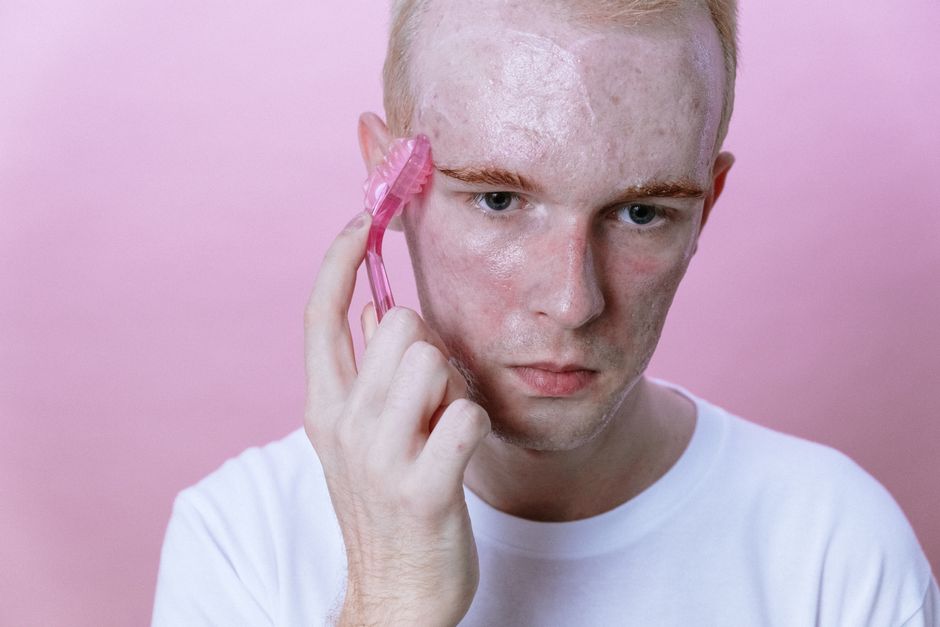
Acne before a period is common and expected. Acne as an early sign of pregnancy is possible but far less reliable. The same hormonal shift that triggers premenstrual breakouts can also happen in early pregnancy, so acne alone cannot tell you which one is happening. If you are trying to figure out whether a breakout means pregnancy or just PMS, the breakout itself will not give you the answer. A missed period and a pregnancy test will.
Can Acne Be an Early Sign of Pregnancy?
Yes, it can be. Acne is a recognized possible early pregnancy symptom. But “possible” is doing a lot of work in that sentence.
Early pregnancy raises levels of progesterone and androgens, including testosterone. Both can increase sebum production in the skin’s oil glands. More sebum means more clogged pores, which means more breakouts. This is the same basic mechanism behind premenstrual acne.
The key difference is timing and consistency. Premenstrual acne follows a predictable pattern. It shows up in the days before your period and clears once bleeding starts. Pregnancy acne, when it happens, tends to persist or worsen because hormone levels stay elevated rather than dropping.
Here is the part most articles skip: pregnancy does not reliably cause acne. Some people’s skin clears up during pregnancy. Others break out for the first time in their lives. Others notice no change at all. The hormonal environment of pregnancy is different for every person, and skin response is not predictable.
If acne is your only symptom, it is not strong evidence of pregnancy. It is one data point among many, and a weak one on its own.
Why Does Acne Happen Before a Period?
Premenstrual acne has a well-documented hormonal cause. In the second half of the menstrual cycle, progesterone rises. At the same time, estrogen drops. This shift increases sebum production and can change how skin cells behave inside the pore.
The result is a familiar pattern for many people: oilier skin, clogged pores, and inflammatory pimples in the week or so before bleeding begins. Once estrogen rises again during the period, most premenstrual breakouts settle down.
This cycle repeats month after month for many people. If your breakouts follow this rhythm, they are almost certainly hormonal and tied to your cycle, not to pregnancy.
One non-obvious point: premenstrual acne is not caused by “bad hygiene” or eating the wrong foods. It is driven by hormones acting on oil glands. Cleansing more aggressively will not fix it and can make irritation worse.
Is Acne a Sign of Early Pregnancy or Just PMS?
Acne cannot distinguish between the two on its own. Both conditions involve rising progesterone and androgen activity, and both can trigger breakouts through increased sebum production.
What separates them is what else is happening in your body.
PMS typically brings a cluster of symptoms in the days before your period:
- Breast tenderness or swelling
- Bloating
- Mood changes or irritability
- Fatigue
- Food cravings
- Headaches
Early pregnancy can produce overlapping symptoms, which is exactly why the two are so often confused. But pregnancy symptoms tend to include some that PMS does not:
- A missed period
- Nausea, sometimes with vomiting
- Extreme fatigue that does not lift with rest
- Frequent urination
- Food aversions or a heightened sense of smell
- Implantation bleeding, which is light spotting rather than a full period
Even these are not definitive. Many people have no early pregnancy symptoms at all. Others feel symptoms before a positive test would even register.
What Actually Confirms Early Pregnancy?
A pregnancy test is the only reliable way to know. Home urine tests detect human chorionic gonadotropin, or hCG, a hormone the body produces after a fertilized egg implants in the uterus.
Timing matters. Testing too early can produce a false negative because hCG levels may not be high enough to detect yet. Most home tests are designed to be used on the first day of a missed period. Some sensitive tests claim earlier detection, but accuracy improves the closer you are to a missed period.
If you test early and get a negative result but still suspect pregnancy, wait a few days and test again. If you continue to get negative results and your period does not arrive, talk to a healthcare provider. They can order a blood test, which detects lower levels of hCG than urine tests.
Acne, breast tenderness, and fatigue are all compatible with both PMS and early pregnancy. None of them can substitute for a test.
How Do Hormones Affect Acne at Different Life Stages?
Hormonal acne is not unique to the premenstrual window or to pregnancy. It shows up across several life stages, and understanding the pattern can help you make sense of what your skin is doing.
| Life stage | Primary hormonal driver | Typical acne pattern |
|---|---|---|
| Puberty | Rising androgens | Oilier skin, breakouts on face, chest, and back |
| Premenstrual phase | Progesterone rise, estrogen drop | Breakouts in the week before the period |
| Early pregnancy | Elevated progesterone and androgens | Variable — may worsen, improve, or not change |
| Perimenopause | Fluctuating estrogen and progesterone | Irregular breakouts, often along the jawline |
The pattern is not always clean. Stress, sleep, medications, and genetics all influence how your skin responds to hormonal shifts. Two people with identical hormone levels can have completely different skin outcomes.
When Should You See a Doctor About Hormonal Acne?
If your acne is persistent, painful, or leaving scars, it is worth discussing with a healthcare provider. This is true whether or not pregnancy is a concern.
Some signs that acne may need medical evaluation:
- Cysts or nodules that are deep and painful
- Acne along the jawline or chin that flares with your cycle
- Sudden severe acne in adulthood after years of clear skin
- Signs of excess androgens, such as excess facial hair growth or irregular periods
These patterns can point to conditions like polycystic ovary syndrome, which involves elevated androgen levels and can affect both skin and menstrual cycles. PCOS is a diagnosis made by a clinician, not by symptom patterns alone.
If you are pregnant or trying to become pregnant, tell your provider before starting any acne treatment. Some common acne medications are not considered safe during pregnancy. This includes oral isotretinoin and certain topical retinoids. Your provider can recommend options that are appropriate for your situation.
Do not stop or start any prescription acne medication without talking to your provider first, especially if pregnancy is possible.
What Else Can Cause Acne Flare-Ups?
Hormones are a major driver of acne, but they are not the only one. Several other factors can trigger or worsen breakouts, and these can muddy the picture when you are trying to figure out what is going on.
- Stress. Stress raises cortisol, which can increase oil production and inflammation.
- Sleep disruption. Poor sleep can affect hormone regulation and skin recovery.
- Certain cosmetics and skincare products. Heavy or comedogenic products can clog pores.
- Medications. Some medications, including certain steroids and lithium, are associated with acne as a side effect.
- Diet. The evidence here is mixed. Some studies suggest high-glycemic diets may worsen acne, but results vary and no single food has been confirmed as a universal trigger.
If you are breaking out and trying to determine whether it is hormonal or something else, look at the pattern. Acne that tracks with your cycle or with a known life change is more likely to have a hormonal or environmental cause than acne that appears randomly.
Frequently Asked Questions
Can acne be the first sign of pregnancy?
It can be, but it is not a reliable one. Many people experience acne in early pregnancy due to rising hormones, but many others do not, and acne alone cannot confirm pregnancy.
How can I tell if my acne is from PMS or pregnancy?
You cannot tell from acne alone because both involve similar hormonal changes. A missed period and a positive pregnancy test are the only reliable ways to distinguish between the two.
Does pregnancy always cause acne?
No. Pregnancy affects skin differently in different people. Some break out, some see their skin clear up, and some notice no change at all.
When should I take a pregnancy test if I have acne and a late period?
Most home tests are designed to be used on the first day of a missed period. Testing earlier can give a false negative because hCG levels may still be too low to detect.
