
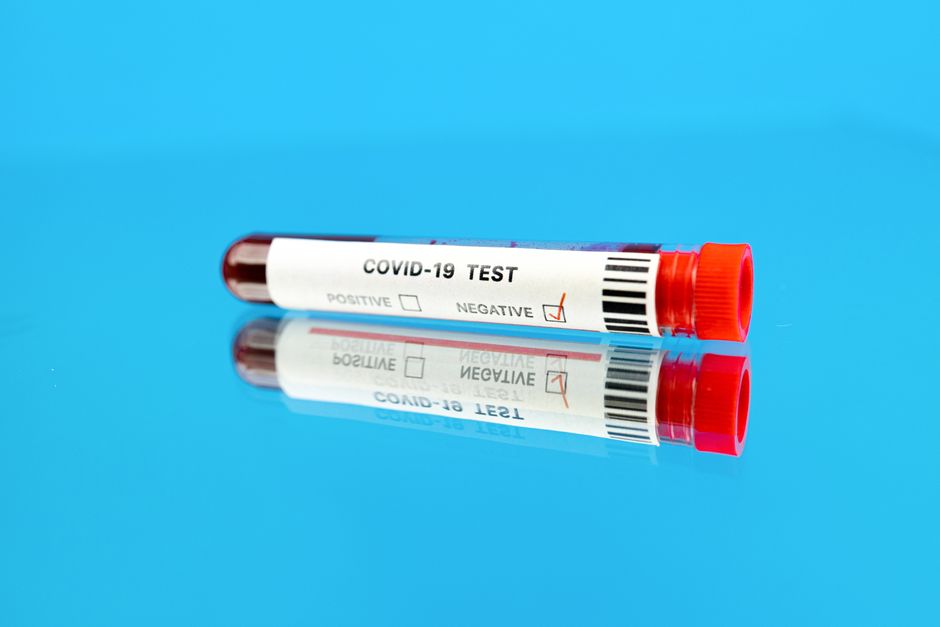
AB negative is the rarest of the eight main blood types. Only about 1% of blood donors have it, making it a highly uncommon and valuable type for transfusions. While the exact percentage varies slightly by region and population, it consistently ranks as the least common blood type among the standard ABO and Rh groups.
What Makes AB Negative Blood So Rare?
Your blood type is inherited from your parents. You receive one gene from each parent that determines your ABO type, and another set of genes that determines your Rh factor—either positive or negative.
To have AB negative blood, you must inherit an A gene from one parent and a B gene from the other. That already limits the possibilities. On top of that, you must inherit the Rh negative gene from both parents. Since the Rh positive gene is dominant, a person only becomes Rh negative if they receive the negative version from both sides.
The odds of all these genetic pieces lining up are low. That is why AB negative is rare—it requires a very specific combination of inherited traits that few people carry.
How Does AB Negative Compare to Other Blood Types?
Blood type distribution is not uniform across the world. In the United States, the breakdown among the eight main types is fairly consistent, though it shifts somewhat by ethnicity and geographic ancestry.
Here is the general distribution among U.S. blood donors:
- O positive: about 38% of the population
- A positive: about 34%
- B positive: about 9%
- O negative: about 7%
- A negative: about 6%
- AB positive: about 3%
- B negative: about 2%
- AB negative: about 1%
AB negative is the least common of all eight. It is even rarer than O negative, which many people assume is the rarest because it is the universal donor. O negative is actually the third rarest. AB negative simply has the smallest pool of people.
Why AB Negative Blood Matters for Transfusions
Blood type matters because your immune system reacts to foreign blood markers. If you receive blood that does not match your own type, your body may attack the donated red blood cells. That reaction can be dangerous or even fatal.
People with AB negative blood have a unique advantage. Their blood contains no ABO antibodies—neither anti-A nor anti-B. That means they can receive red blood cells from any ABO type: A, B, AB, or O. They are the universal plasma donor as well.
However, because they are Rh negative, they can only receive Rh negative blood. So while AB negative people can accept blood from all eight types in an emergency if Rh negative units are unavailable, the ideal match is another AB negative donor.
This is why blood banks actively recruit AB negative donors. When an AB negative patient needs blood, the supply is limited. Only another AB negative person can provide the safest match for a standard transfusion.




Is AB Negative the Same as the Universal Donor?
No. The universal red blood cell donor is O negative. O negative blood has no A, B, or Rh markers, so anyone can receive it regardless of their own blood type.
AB negative is sometimes called the universal plasma donor. Plasma is the liquid part of blood. AB plasma contains no anti-A or anti-B antibodies, so it can be given to patients of any blood type. That distinction matters in hospitals, where plasma is often needed for trauma patients or people with clotting disorders.
So while AB negative red cells are not universal, AB negative plasma is. This makes AB negative donors valuable for two different reasons depending on what component of their blood is being collected.
Can You Have AB Negative Blood and Receive Any Blood?
In a standard transfusion, AB negative patients can receive red blood cells from any ABO type as long as the donor is Rh negative. That means compatible donors include O negative, A negative, B negative, and AB negative.
In a dire emergency where Rh negative blood is not available, some hospitals will use Rh positive blood for an Rh negative patient. This is a clinical decision made only when the risk of waiting outweighs the risk of an Rh mismatch. It is not standard practice, and it is not something patients should expect under normal circumstances.
For scheduled transfusions, blood banks match the exact type whenever possible. AB negative patients will almost always receive AB negative red cells. If that supply is low, A negative or O negative may be used as an alternative in some cases, but this depends on hospital protocol and the patient’s specific situation.
Does AB Negative Blood Affect Pregnancy?
Yes, but the concern is not about the ABO part. It is about the Rh factor.
If an Rh negative mother carries an Rh positive baby, her immune system may treat the baby’s Rh positive red blood cells as foreign. This usually only becomes a problem in a second or later pregnancy with an Rh positive baby. The mother’s immune system can produce antibodies that attack the baby’s red blood cells, leading to a condition called hemolytic disease of the newborn.
This is preventable. Pregnant women receive an injection of Rh immunoglobulin, often called RhoGAM, around the 28th week of pregnancy and again after birth if the baby is Rh positive. This injection stops the mother’s immune system from making antibodies against Rh positive blood.
AB negative women face the same Rh concerns as any other Rh negative woman. The ABO portion of their blood type does not add any extra risk during pregnancy.
What Are the Health Implications of Having AB Negative Blood?
Some research has looked at whether blood type influences disease risk. The evidence is not strong enough to change medical care, but a few patterns have emerged.
Some studies suggest that people with AB blood may have a slightly higher risk of certain conditions, including cognitive decline and some types of blood clots. Other research has examined links between blood type and heart disease or certain cancers. Results vary, and many of these studies show small differences that may not be clinically meaningful for any individual person.
There is no evidence that AB negative blood itself causes health problems. Blood type is simply a genetic trait. It does not determine your overall health, and no lifestyle changes are recommended based on blood type alone.
If you hear claims that blood type dictates your diet, your personality, or your risk of specific diseases, treat them with caution. The evidence base for blood type diets is weak, and no major medical organization endorses them.
How Can You Find Out If You Have AB Negative Blood?
A simple blood test tells you your type. This is done through a standard blood draw and is commonly performed during pregnancy, before surgery, or when you donate blood.
If you have never been tested and you are curious, the easiest way is to donate blood. Blood banks test every donation and can tell you your type. You can also ask your doctor to order a blood type test during a routine visit.
Knowing your blood type is useful for medical records, but it is not something you need to act on unless you are pregnant, preparing for surgery, or considering blood donation.
Why Do Blood Banks Specifically Need AB Negative Donors?
Blood banks need AB negative donors because the supply is always thin. Since only about 1% of people have this type, hospitals cannot rely on a large donor pool to meet demand.
AB negative red cells are used for AB negative patients, and AB negative plasma is used for patients of any blood type. When an AB negative patient needs a transfusion, the hospital must have compatible units on hand. Without enough regular donors, those units may not be available.
If you are AB negative, regular donation makes a measurable difference. A single donation can help multiple patients because blood is separated into red cells, plasma, and platelets.
Frequently Asked Questions
Is AB negative blood the rarest blood type?
Yes, AB negative is the rarest of the eight main blood types, found in about 1% of the U.S. population. The exact percentage varies by region and ethnic background.
Who can receive AB negative blood?
AB negative patients can receive red blood cells from any Rh negative donor, including O negative, A negative, B negative, and AB negative. In a standard transfusion, only Rh negative blood is used.
Can AB negative people donate to anyone?
AB negative red cells can only go to other Rh negative patients, but AB negative plasma can be given to patients of any blood type. This makes AB negative donors especially valuable for plasma donations.
Does AB negative blood cause health problems?
No, having AB negative blood does not cause health problems. Some research has explored links between blood type and certain disease risks, but the evidence is not strong enough to change medical recommendations.
