
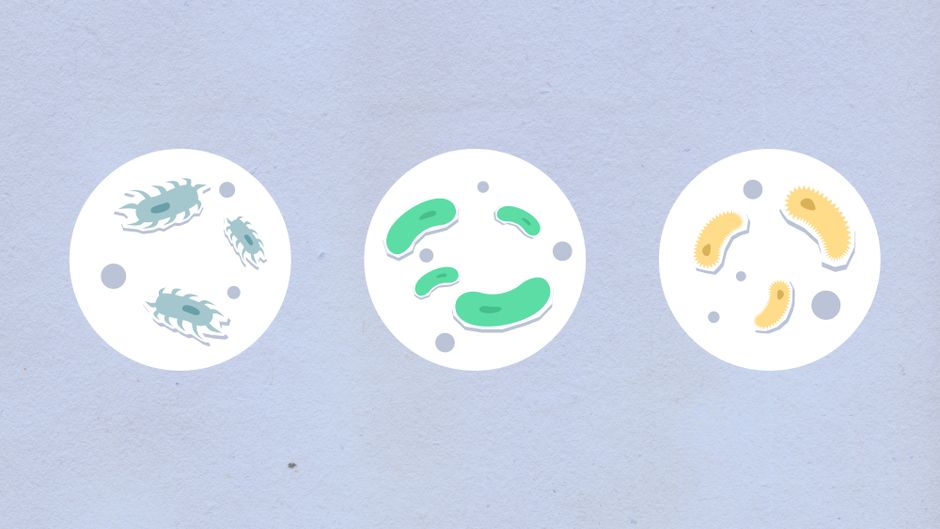
No. A yeast infection is not a bacterial infection. They are caused by completely different organisms, they behave differently in the body, and they are treated with different medicines. Using the wrong treatment does not just fail — it can make things worse.
Yeast infections are caused by fungi, most often a type called Candida. Bacterial infections are caused by bacteria. That difference matters because antifungal medicines do not kill bacteria, and antibiotics do not kill yeast. In fact, antibiotics can trigger a yeast infection by wiping out the protective bacteria that normally keep yeast in check.
What Actually Causes a Yeast Infection?
Yeast infections are fungal infections. The usual culprit is Candida albicans, a yeast that lives harmlessly on your skin and in your mouth, gut, and vagina in small numbers. Problems start when something disrupts the balance and lets it multiply out of control.
Several things can tip that balance:
- Antibiotics, which kill off the bacteria that normally keep yeast in check
- High estrogen levels, including during pregnancy or from hormonal birth control
- Uncontrolled diabetes, which raises sugar levels in tissues and fluids
- A weakened immune system
- Warm, moist conditions and tight, non-breathable clothing
This is the part many people miss: yeast is not something you “catch” in the way you catch a cold. It is already there. A yeast infection is usually an overgrowth of organisms your body already hosts, not an invasion by a new one.
How Is a Bacterial Infection Different?
Bacterial infections are caused by bacteria — single-celled organisms that can multiply rapidly and trigger an immune response. Common examples include strep throat, urinary tract infections, and bacterial vaginosis.
Bacterial vaginosis is worth naming here, because people often confuse it with a yeast infection. It is not a yeast infection and it is not a classic infection in the usual sense. It happens when the normal mix of bacteria in the vagina shifts, with fewer protective Lactobacillus species and more of other types. It is treated with antibiotics. Yeast infections are treated with antifungals. Getting this wrong wastes time and delays the right treatment.
The core difference comes down to the organism. Fungi and bacteria are different branches of life. They have different cell structures, different ways of growing, and different vulnerabilities. That is why a drug that works on one usually does nothing to the other.
Why Do People Confuse the Two?
The symptoms can look similar from the outside. Both can cause itching, irritation, and discharge. That overlap is where the confusion starts.
But the details usually differ. A yeast infection typically causes thick, white, cottage-cheese-like discharge with intense itching and sometimes burning. Bacterial vaginosis more often causes a thin, grayish discharge with a fishy odor, especially after sex or during a period. These patterns are not perfect, and they overlap. That is exactly why guessing from symptoms alone is unreliable.
There is also a language problem. People use “infection” as a catch-all word. So a vaginal yeast infection, a urinary tract infection, and bacterial vaginosis all get lumped together in everyday conversation, even though the causes and treatments are different.





How Do You Tell Which One You Have?
You often cannot tell from symptoms alone. The only reliable way is testing by a clinician.
A clinician may take a sample of discharge and look at it under a microscope, check the pH of the vagina, or send a sample for culture. Vaginal pH is a useful clue: a normal vaginal pH is usually in the range of 3.8 to 4.5, and bacterial vaginosis often raises it above 4.5. A yeast infection usually does not change pH much.
This matters because self-diagnosis is common and often wrong. Many people who assume they have a yeast infection actually have something else. Using an over-the-counter antifungal when you have bacterial vaginosis will not help, and it can delay the treatment you actually need.
Does Treatment Differ?
Yes, and this is the practical reason the distinction matters.
Yeast infections are treated with antifungal medicines. For uncomplicated vaginal yeast infections, options include topical antifungals such as clotrimazole or miconazole, or a single oral dose of fluconazole. Many topical products are available over the counter. Oral fluconazole requires a prescription in the United States.
Bacterial infections are treated with antibiotics. Antibiotics do nothing to yeast. Antifungals do nothing to bacteria. This is not a small detail — it is the whole point.
One caution worth stating plainly: recurrent or complicated yeast infections, and yeast infections in people with weakened immune systems, may need longer or different treatment. If symptoms keep coming back, or do not improve with standard treatment, that is a signal to see a clinician rather than to keep self-treating.
Can Antibiotics Cause a Yeast Infection?
Yes. This is one of the clearest links between the two categories.
Antibiotics kill bacteria. They do not distinguish between the bacteria causing an infection and the helpful bacteria that normally live in the body. When antibiotics wipe out the Lactobacillus bacteria that help keep the vagina acidic and inhospitable to yeast, yeast can grow unchecked. That is why some people develop a yeast infection after a course of antibiotics.
This does not mean antibiotics are bad. It means they have predictable effects on the body’s normal microbial balance. It also explains why treating a yeast infection with an antibiotic is not just useless — it can make the yeast problem worse.
Can You Have Both at the Same Time?
Yes, though it is not the most common scenario. A person can have a yeast infection and a bacterial infection at the same time, or one right after the other. This is one reason symptoms that do not respond to treatment should be evaluated rather than treated blindly.
When both are present, treatment needs to address each cause. A single antifungal will not clear a bacterial infection, and a single antibiotic will not clear a yeast infection.
What About Prevention?
There is no guaranteed way to prevent every yeast infection. But some steps are reasonable and low-risk.
- Avoid unnecessary antibiotics when a clinician confirms they are not needed
- Keep blood sugar controlled if you have diabetes
- Avoid douching, which can disrupt the normal vaginal environment
- Wear breathable cotton underwear and avoid prolonged damp clothing
Some of these steps rest on reasonable biological reasoning more than on large trials. The evidence for avoiding douching is fairly consistent. The evidence for specific clothing choices is weaker. It is fair to say these steps are commonly recommended, not that they are proven to prevent infections in every case.
What Should You Do If You Are Unsure?
See a clinician. This is the honest answer, and it is not a cop-out.
Symptoms overlap, self-diagnosis is often wrong, and the treatments are different. A quick test can save weeks of guessing and ineffective treatment. If you have never had a yeast infection before, if symptoms are severe, if you have a fever or pelvic pain, or if symptoms keep returning, get evaluated rather than self-treating.
Knowing that a yeast infection is not a bacterial infection is the first step. Acting on that difference — by getting the right diagnosis and the right treatment — is what actually resolves the problem.
Frequently Asked Questions
Is a yeast infection a bacterial infection?
No. A yeast infection is a fungal infection, most often caused by Candida, while bacterial infections are caused by bacteria.
They require different medicines, so the distinction matters for treatment.
Can antibiotics cause a yeast infection?
Yes. Antibiotics can kill the protective bacteria that normally keep yeast in check, allowing yeast to overgrow.
This is one of the clearest links between antibiotic use and yeast infections.
How can I tell if I have a yeast infection or bacterial vaginosis?
You usually cannot tell reliably from symptoms alone, because itching and discharge overlap between the two.
A clinician can confirm the cause with a simple sample test or pH check.
Do yeast infections and bacterial infections need different treatments?
Yes. Yeast infections are treated with antifungals, and bacterial infections are treated with antibiotics.
Using the wrong one will not help and can delay the correct treatment.
