
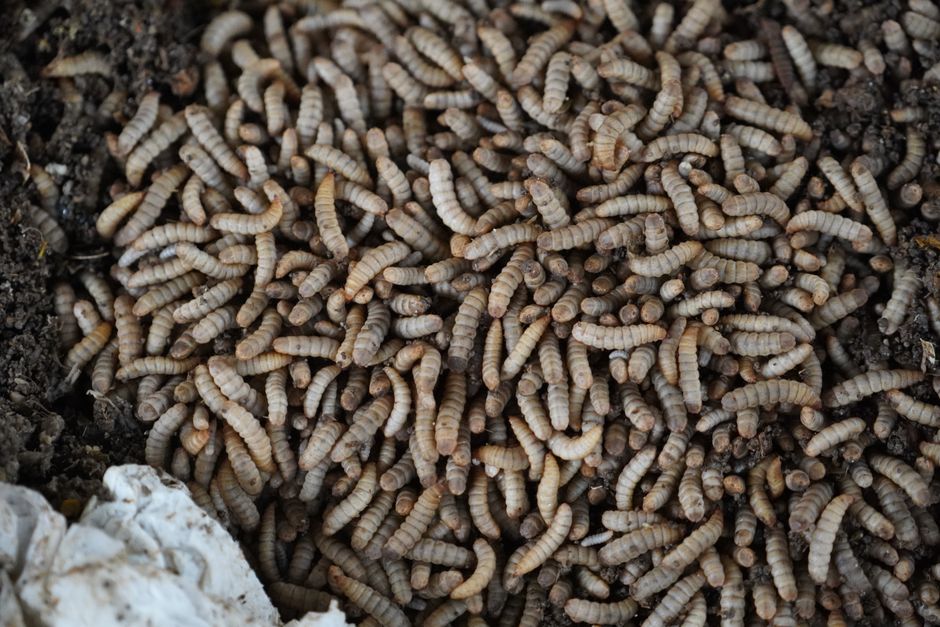
A worm is not a bug. In everyday language, “bug” usually means a small insect or a germ. In science, “bug” is a casual word for insects and their close relatives. Worms are an entirely different group of animals. They are soft-bodied creatures without legs, a hard outer skeleton, or the jointed body plan that insects share.
That distinction matters more than it sounds. People use “worm” and “bug” loosely, and the words cover very different creatures with very different risks. Some worms live in soil and break down dead plants. Some live in the human gut. Some are not worms at all. Knowing what you are actually looking at changes how you should respond.
What Makes An Animal A Bug?
“Bug” is not a strict scientific category. In common speech it refers to insects and similar small crawling animals. Scientists who study insects are called entomologists, and they generally use the word informally, if at all.
There is one strict use. In entomology, a “true bug” is a specific order of insects called Hemiptera. True bugs include stink bugs, bed bugs, and cicadas. They share a piercing mouthpart and a particular wing structure. So a ladybug is not a true bug. Neither is a spider. This is a detail most people never encounter, but it explains why the word is so slippery.
What insects and their relatives share is a body built from segments and, in adults, a hard outer covering called an exoskeleton. Most adult insects have six legs and three body sections. That body plan is what separates them from worms.
What Is A Worm, Exactly?
“Worm” is a shape, not a family tree. Many animals called worms are only distantly related to each other. What they share is a long, soft, legless body. Beyond that, they can be completely different creatures.
Earthworms are segmented worms. Their bodies are divided into repeating rings, and they have a fluid-filled cavity that gives them shape. They live in soil and are central to how soil stays fertile and aerated.
Roundworms, also called nematodes, are a separate group entirely. They are unsegmented and extremely common. Most are microscopic and live in soil or water. A small number are parasites that can infect people, animals, and plants.
Flatworms are another separate group. Some are free-living. Others, such as tapeworms, are parasites that live in the guts of animals, including humans.
So a worm is not one kind of animal. It is a body form that evolved many times in unrelated groups. That is why “worm” tells you almost nothing about what a creature is or whether it is harmful.
Why Do People Confuse Worms And Bugs?
Both words are old and broad. They come from everyday speech, not from biology. When most people say “bug,” they mean any small crawling thing that bothers them. When they say “worm,” they mean anything long and soft that wriggles.
Language does the rest. A caterpillar looks like a worm but is the larval stage of a butterfly or moth. A millipede looks worm-like but has many legs and is closer to crustaceans. A slug has no shell and looks worm-adjacent but is a mollusk, related to snails.
This is where the confusion causes real problems. People sometimes treat a “worm” in the garden as a pest when it is helping the soil. Others assume a “bug” bite is harmless when the creature was something else. The label shapes the reaction, and the label is often wrong.
Are Worms Insects?
No. Worms are not insects. Insects are a distinct class of animals with a hard outer skeleton, a segmented body, and, in adults, usually six legs. Worms have none of these features.
The two groups sit far apart on the tree of life. Insects are arthropods, a huge group that also includes spiders, crabs, and centipedes. Most worms belong to entirely separate branches, such as annelids (segmented worms) or nematodes (roundworms).
One useful rule: if it has legs and a hard outer shell, it is not a worm. If it is soft, legless, and long, it is probably called a worm, even if it belongs to a group that also contains non-worms. The word describes the shape, not the family.
Are Worms Dangerous To Humans?
Most worms you meet are harmless. Earthworms in soil pose no threat. The risk comes from a small number of parasitic worms that can infect people, and the risk depends heavily on where you live, what you eat, and your hygiene.
Some parasitic worms are transmitted through contaminated soil or water. Others come from undercooked meat or fish. A few spread through contact with infected animals or poor sanitation. The specific risks vary widely by region, so general statements about “worms” are not useful.
Symptoms of a parasitic worm infection can include stomach pain, diarrhea, fatigue, and weight loss, but these are vague and overlap with many conditions. If you suspect an infection, the right step is to see a clinician. Diagnosis usually requires a stool test or other specific testing, and treatment depends on which organism is involved. No single remedy covers all worms, and self-treating is not a reliable approach.
How Can You Tell A Worm From A Bug?
Look at the body, not the name. A few features separate most worms from most bugs.
- Legs: Adult insects usually have six legs. Worms have none.
- Outer covering: Insects have a hard exoskeleton. Worms are soft-bodied.
- Body sections: Insects have a distinct head, thorax, and abdomen. Worms are mostly one long tube.
- Movement: Insects walk or fly. Worms crawl, stretch, and contract.
These rules are useful but not perfect. Larval insects such as caterpillars and grubs are legless or nearly so, and they look worm-like. That is why the caterpillar is the classic case of a “worm” that is really an insect in disguise.
| Feature | Bug (insect) | Worm |
|---|---|---|
| Legs | Usually six in adults | None |
| Outer covering | Hard exoskeleton | Soft body |
| Body plan | Head, thorax, abdomen | Long tube, often segmented |
| Example | Beetle, ant, true bug | Earthworm, roundworm, tapeworm |
What About “Bugs” In The Gut?
People sometimes call gut bacteria “bugs.” This is a casual use of the word, and it has nothing to do with insects. The gut is home to trillions of microorganisms, mostly bacteria, that play roles in digestion and immune function.
Calling them bugs is harmless shorthand, but it can blur an important line. A bacterial infection and a parasitic worm infection are different problems that need different tests and different treatments. If a clinician says you have “a bug,” ask what kind. The answer changes what happens next.
Why The Distinction Matters
Words shape actions. If you think a worm is a bug, you might reach for an insecticide. That is the wrong tool for an earthworm, and it can harm the soil and the creatures that keep it healthy. If you think a bug is a worm, you might dismiss a bite that needs attention.
The bigger point is that neither word is precise. “Bug” covers insects, spiders, and germs. “Worm” covers dozens of unrelated animals. When accuracy matters, such as with a bite, a rash, or a suspected infection, describe what you see rather than reaching for a label. The description is what helps a clinician or a pest expert give you a useful answer.
Frequently Asked Questions
Is a worm a bug?
No, a worm is not a bug. Bugs are insects or their close relatives, which usually have legs and a hard outer skeleton, while worms are soft, legless animals from entirely separate groups.
Are worms insects?
No, worms are not insects. Insects are arthropods with a hard exoskeleton and usually six legs in adulthood, and worms lack both features and belong to different branches of the animal kingdom.
Is a caterpillar a worm or a bug?
A caterpillar is neither a worm nor a bug in the strict sense. It is the larval stage of a butterfly or moth, which makes it an insect, even though it looks worm-like.
Are all worms harmless?
No, not all worms are harmless. Most worms you encounter are safe, but a small number of parasitic worms can infect people, and suspected infections should be checked by a clinician rather than self-treated.
