
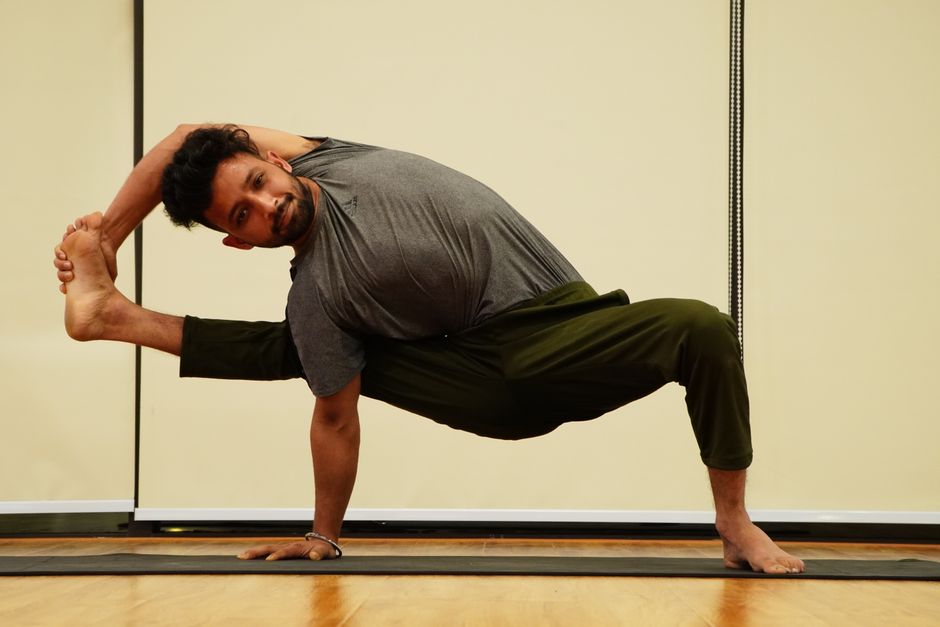
“Twisted pelvis” is not a recognized medical diagnosis, and that fact matters more than most people realize. The phrase usually describes a real sensation — one hip sitting higher, a nagging asymmetry, pain on one side — but the underlying causes range from harmless posture habits to conditions that genuinely need treatment. Whether it is serious depends entirely on what is actually causing the problem, which is why a proper evaluation matters more than the label itself.
Is A Twisted Pelvis a Real Medical Condition?
No. You will not find “twisted pelvis” in standard medical references or diagnostic manuals. It is a popular term, not a clinical one.
What people mean when they say their pelvis is twisted is usually one of a few things. Sometimes they mean a visible difference in hip height. Sometimes they mean pain that feels one-sided. Sometimes a practitioner told them their pelvis was “out of alignment” and they carried that phrase forward.
The pelvis itself is a ring of bones — the two hip bones, the sacrum, and the coccyx — held together by strong ligaments. It is built for stability. The bones do not rotate out of place the way a loose steering wheel might. What can change is the position of the pelvis relative to the spine, the tension in surrounding muscles, and the way you move.
That distinction is not just semantics. It changes what treatment makes sense and what you should expect from it.
What Causes the Feeling That Your Pelvis Is Twisted?
Several distinct problems can create this sensation, and they are not treated the same way.
Muscle imbalance and posture are the most common explanations. If one hip’s muscles are tight and the other’s are weak, your pelvis may tilt slightly. This is a movement pattern, not a structural defect, and it often responds to targeted exercise.
Leg length difference can make the pelvis tilt to compensate. Some people are born with a small difference. Others develop one after a fracture or joint replacement. A true difference measured on imaging is different from a functional one caused by muscle tightness.
Sacroiliac joint dysfunction is a genuine clinical condition. The sacroiliac joints connect the spine to the pelvis, and problems there can cause one-sided low back or buttock pain. This is a real diagnosis with real treatment options.
Lumbar spine problems — a disc issue, facet joint irritation, or spinal stenosis — can refer pain into the hip and pelvis area and feel like the pelvis itself is the source.
Hip joint conditions such as osteoarthritis or a labral tear can also change how you walk and stand, creating the impression of a tilted pelvis.
Less commonly, inflammatory conditions affecting the spine and sacroiliac joints, or a history of pelvic fracture, can produce lasting asymmetry and pain.
Is A Twisted Pelvis Serious?
For most people, the answer is no — but “most” is doing important work in that sentence. The seriousness depends on the cause, not the label.
Muscle imbalance and postural habits are not dangerous. They can cause discomfort and may limit activity, but they do not damage your body or shorten your life. They generally improve with movement and strengthening.
Sacroiliac joint dysfunction is painful and can be persistent, but it is treatable and not life-threatening.
Some causes do warrant prompt medical attention. See a doctor if you have:
- Pain that follows a fall, car accident, or other injury
- Numbness, tingling, or weakness in a leg
- Loss of bladder or bowel control
- Fever along with back or pelvic pain
- Unexplained weight loss
- Pain that wakes you at night or is worse at rest
- Difficulty walking or bearing weight
The last few items on that list are red flags for conditions that need urgent evaluation, not a stretching routine. If any apply to you, seek medical care rather than self-treating.





What Symptoms Actually Point to a Pelvic Problem?
Symptoms vary widely because the causes vary widely. Common complaints include:
- One-sided low back pain, often near the dimple above the buttock
- Pain that worsens when standing on one leg or climbing stairs
- A feeling that one leg is longer than the other
- Stiffness in the morning that eases with movement
- Pain that shifts depending on how you sit or sleep
- Discomfort during or after prolonged sitting
What symptoms do not reliably tell you is the cause. Two people with identical pain can have completely different underlying problems. That is why imaging and a physical exam matter when symptoms persist.
How Is the Underlying Cause Diagnosed?
Diagnosis starts with a history and physical exam. A clinician will watch you walk, check leg lengths, test joint movement, and press on specific areas to find what reproduces your pain.
Imaging is used selectively. X-rays can show arthritis, fractures, or a true leg length difference. MRI is better for soft tissue, discs, and nerves. Ultrasound sometimes helps with tendon and muscle problems.
One useful clarification: a physical therapist or chiropractor may observe that your pelvis is “rotated” during an exam. That observation describes how you are positioned and moving in that moment. It is not the same as a structural deformity, and it is not a permanent state. Your body can and does change position constantly.
What Treatment Options Exist?
Treatment depends entirely on the diagnosis, not the phrase “twisted pelvis.”
For muscle imbalance and movement patterns, physical therapy is the main approach. A therapist will assess which muscles are tight, which are weak, and design exercises to restore balance. This takes weeks to months, not days. Results are gradual.
For sacroiliac joint dysfunction, treatment may include physical therapy, manual therapy, and sometimes a supportive belt. Injections into the joint are used in some cases when conservative care does not help. Surgery is rare and reserved for specific situations.
For leg length difference, a shoe lift may help if the difference is significant. Small differences often need no treatment at all.
For hip or spine conditions, treatment follows the specific diagnosis — which may include medication, injections, or in some cases surgery.
What does not have strong evidence behind it is the idea that a single adjustment can “realign” your pelvis permanently. Manual therapy can reduce pain and improve movement in the short term. It does not restructure your bones.
Can You Prevent Pelvic Problems?
You cannot prevent every cause, but you can reduce your risk of the most common ones.
Regular movement matters more than any single exercise. Long periods of sitting can tighten hip muscles and weaken the ones that support your pelvis. Standing up and moving every 30 to 60 minutes helps.
Strengthening the muscles around your hips, core, and lower back supports the pelvis during daily activity. Walking, swimming, and cycling are all reasonable options. So is a basic strength routine.
Maintaining a healthy weight reduces load on the joints. Avoiding smoking supports bone and tissue health.
If you have had a fall or injury, do not ignore persistent pain. Early evaluation often means simpler treatment.
When Should You See a Doctor?
See a doctor if pain lasts more than a few weeks, interferes with sleep or daily activity, or comes with any of the red flags listed earlier. Numbness, weakness, or bowel and bladder changes need urgent attention.
If you have already seen a provider and were told your pelvis is twisted, it is reasonable to ask what specific diagnosis they mean. Ask what the treatment goal is and how long it should take to see improvement. A clear answer helps you know whether the plan is working.
The honest summary: a “twisted pelvis” is not a diagnosis, and most of what people mean by it is not serious. But the symptoms that lead people to use that phrase can come from conditions that are. Getting a real diagnosis is the difference between guessing and knowing.
Frequently Asked Questions
Can a twisted pelvis fix itself?
If the cause is muscle tightness or a temporary movement pattern, it often improves on its own with normal activity. If pain persists beyond a few weeks, it usually needs evaluation and targeted treatment.
Is a twisted pelvis the same as a misaligned spine?
No, they are different descriptions. The pelvis is a stable ring of bones held by strong ligaments, while the spine is a flexible column of separate vertebrae, and problems in each are evaluated and treated differently.
Can a chiropractor permanently realign my pelvis?
No, manual therapy can reduce pain and improve movement in the short term, but it does not permanently restructure the bones. Any lasting change comes from strengthening and movement habits over time.
How do I know if my pelvic pain is serious?
Seek urgent care if you have numbness, leg weakness, loss of bladder or bowel control, fever, or pain after an injury. Otherwise, see a doctor if pain lasts more than a few weeks or disrupts sleep and daily activity.
