
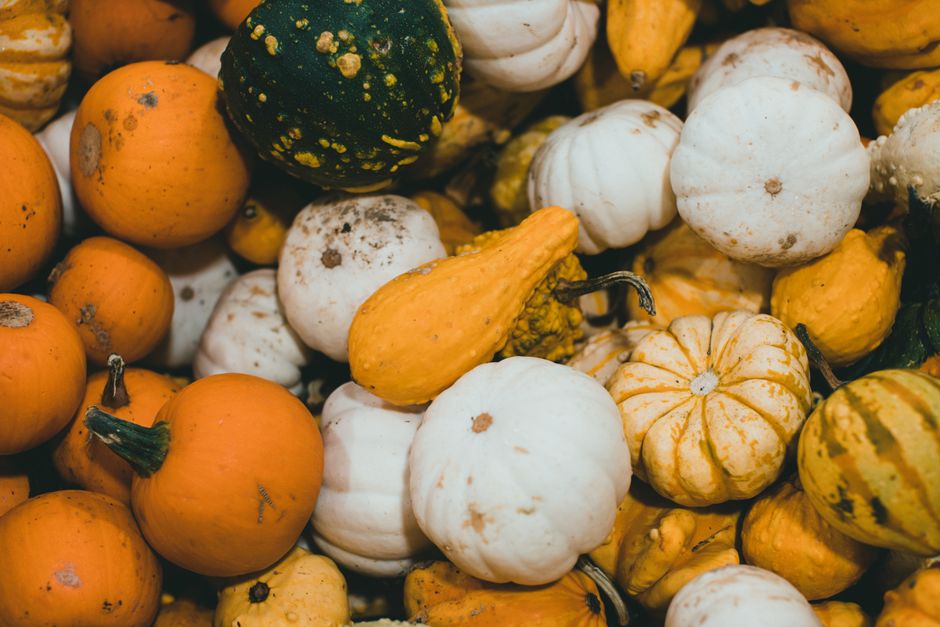
Botanists and cooks disagree about squash, and both are right. A squash is a fruit by botanical definition because it develops from the flower’s ovary and contains the plant’s seeds. In the kitchen and at the grocery store, most squash are treated as vegetables because they are savory, cooked in main dishes, and low in sweetness. The word “squash” itself comes from a Native American term, and the plant belongs to the gourd family, which also includes pumpkins, cucumbers, and melons.
Is A Squash Fruit Or Vegetable?
A squash is a fruit. That answer comes from plant anatomy, not from cooking habits or supermarket signs.
A fruit, in botanical terms, is the part of a flowering plant that develops from the ovary after fertilization and encloses the seeds. A squash fits that description exactly. Cut one open and you find seeds surrounded by fleshy tissue that grew from the flower. That is the textbook definition of a fruit.
A vegetable, by contrast, has no single botanical definition. It is a culinary and cultural category. It generally refers to any edible plant part that is savory rather than sweet — roots, stems, leaves, tubers, bulbs, and in everyday speech, certain fruits too. So squash is a fruit that we eat like a vegetable. Both labels describe something real. They just come from different systems.
This is not a technicality invented to confuse people. The fruit-versus-vegetable split reflects two genuinely different ways of organizing the plant world: one based on how a plant reproduces, the other based on how humans prepare and eat food.
Why Do People Call Squash A Vegetable?
Cooking and culture decide the vegetable label, not biology. When a food is used in savory dishes, served as a side, and treated as a main-course ingredient, English speakers generally call it a vegetable.
Squash lands in soups, roasts, casseroles, and pasta. It is rarely eaten raw like a berry or sliced into a fruit salad. That savory role is what pushes it into the vegetable aisle.
There is also a legal angle. In the United States, customs rules and some agricultural regulations classify certain plants by how they are used, not by botanical family. These classifications exist for trade and taxation, not science. They tell you how a food is handled commercially, not what it is.
The confusion is old and widespread. Tomatoes, cucumbers, peppers, and pumpkins all sit in the same spot: botanically fruits, culinarily vegetables. Squash is simply one more member of that group.
What Makes Something A Fruit In Botany?
The seed-bearing structure that grows from a flower’s ovary is the fruit. That single criterion settles the question for squash.
Here is the sequence in plain terms:
- A flower is pollinated.
- The ovary at the base of the flower begins to swell.
- That swollen ovary becomes the fruit.
- Seeds develop inside it.
Any edible plant part that forms this way is a fruit — even if it is not sweet. Botanists group fruits into categories such as berries, drupes, and pepos. A pepo is a type of berry with a hard outer rind and fleshy interior. Squash, pumpkin, cucumber, and melon are all pepos.
By this standard, a green bean pod is a fruit. So is a tomato. So is a bell pepper. Sweetness has nothing to do with it. Neither does whether you eat the food for dessert or dinner.
Are All Types Of Squash Fruits?
Every squash is a fruit, whether it is a summer squash or a winter squash. The botanical rule does not change from one variety to the next.
Summer squash — zucchini, yellow crookneck, and pattypan — are harvested while the rind is still soft and edible. Winter squash — butternut, acorn, spaghetti, and delicata — are left to mature so their rinds harden for storage. Both groups form from flowers and contain seeds, so both are fruits.
Pumpkins belong to the same genus as many winter squash and are also fruits. The naming gets messy because “pumpkin” and “squash” are culinary terms rather than strict botanical ones. A single species can produce what shoppers call a pumpkin and what others call a squash.
One clarification worth keeping straight: the part of the squash plant you might eat as a “vegetable” — the blossoms — is a flower, not a fruit. Squash blossoms are edible and often fried or stuffed. They come from the same plant, but they are a different plant part entirely.
Is Squash A Fruit Or Vegetable Nutritionally?
Nutrition guidance generally files squash under vegetables, and that placement reflects how the food behaves on a plate rather than its botanical origin.
Most squash are low in calories, provide fiber, and supply vitamins and minerals. Winter squash varieties tend to be higher in starch and some vitamins than summer squash. The USDA groups squash with other vegetables in its dietary guidance, which is why you will see it counted toward vegetable intake rather than fruit intake.
That grouping is a practical choice, not a claim about plant biology. It exists because people use squash the way they use vegetables — in savory meals — and because dietary recommendations are built around eating patterns, not botanical categories.
| Question | Botanical Answer | Culinary Answer |
|---|---|---|
| What is it? | Fruit | Vegetable |
| Why? | Grows from flower ovary, holds seeds | Savory use, cooked in main dishes |
| Who decides? | Plant science | Cooking and culture |
| Examples | Squash, tomato, cucumber, pepper | Squash, carrot, spinach, potato |
Does It Matter Which One You Call It?
For everyday life, no. Calling squash a vegetable will not change how it cooks, tastes, or affects your health. The distinction matters mainly in botany, agriculture, and food regulation.
Where it does matter is understanding. Knowing that squash is a fruit explains why it carries seeds and grows from a flower. Knowing it is treated as a vegetable explains why it shows up in savory recipes and why nutrition labels count it with vegetables. Neither fact cancels the other.
The same logic applies to a long list of foods. Cucumbers, tomatoes, peppers, eggplant, and okra are all fruits by the botanical definition and vegetables by common use. If you remember the seed rule — fruit holds the seeds and grows from the flower — you can sort almost any produce item yourself.
So the next time someone insists squash is a vegetable, you can agree and disagree at the same time. In the kitchen, they are right. In the garden, they are not.
Frequently Asked Questions
Is a squash a fruit or a vegetable?
A squash is a fruit botanically because it develops from a flower’s ovary and contains seeds. It is called a vegetable in cooking because it is savory and used in main dishes.
Why is squash considered a vegetable if it is a fruit?
Culinary and cultural use decides the vegetable label, not plant biology. Because squash is cooked in savory dishes rather than eaten as a sweet fruit, it is grouped with vegetables.
Is zucchini a fruit or a vegetable?
Zucchini is a fruit for the same reason as other squash — it grows from a flower and holds seeds. It is still treated as a vegetable in cooking and nutrition guidance.
Is pumpkin a fruit or a vegetable?
A pumpkin is a fruit botanically, since it forms from a flower and contains seeds. Like squash, it is used and labeled as a vegetable in most kitchens.
