
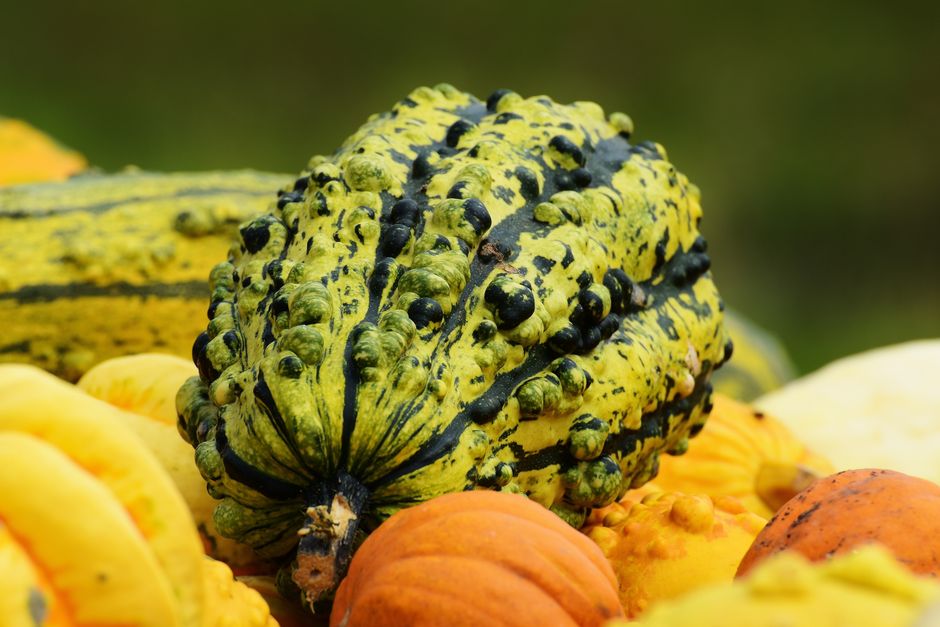
Yes, a squash is a gourd. Every squash belongs to the gourd family, Cucurbitaceae. That is true in the same way that a tomato is a fruit — botanically correct, even if it sounds odd in a kitchen. The confusion comes from the fact that “gourd” gets used two different ways. In plant science, it is a broad family name. In everyday cooking, it usually means the hard-shelled, inedible kind you dry and turn into bowls or birdhouses.
So the short answer is yes. The longer answer explains why the word trips people up, and why it matters more than a trivia question.
Is A Squash A Gourd The Botanical Answer?
Botanically, squash and gourds sit in the same plant family, Cucurbitaceae. This family includes squash, pumpkins, cucumbers, melons, and the hard-shelled gourds people use for crafts.
The word “gourd” is not a strict scientific category the way “species” is. It is a loose term that covers a wide group of vine plants with similar features. They tend to grow on trailing vines, produce large yellow flowers, and form a fruit with a tough outer rind and many seeds inside.
That is why a botanist will call a butternut squash a gourd without hesitation. It fits the family. It fits the structure. The disagreement is not about biology. It is about vocabulary.
One useful distinction within the family is between what growers call “culinary gourds” and “hard-shell gourds.” Culinary gourds are the ones you eat — squash, pumpkin, zucchini. Hard-shell gourds, often from the genus Lagenaria, are the ones with thick woody rinds that dry out and become containers or decorations. Both are gourds. Only one group is generally food.
Why Do People Think Squash And Gourds Are Different?
Language, not science, drives the split. In the United States, “gourd” almost always means the inedible craft kind. Grocery stores sell squash in the produce aisle and gourds in the seasonal decoration bin. That everyday habit trains people to treat them as separate things.
There is also a practical reason. Many hard-shell gourds contain bitter compounds called cucurbitacins. These can cause serious stomach illness if eaten. So the cultural rule “gourds are not food” is actually a safety habit, not a botanical fact.
Squash, by contrast, was bred over centuries to be mild and edible. The two groups diverged in how people used them, not in what family they belong to.
Here is a point worth holding onto: a plant’s family name and its kitchen role are two different systems. One is about ancestry and structure. The other is about how we cook and eat. Both are useful. They just answer different questions.
What Makes A Plant A Gourd?
Members of Cucurbitaceae share a set of physical traits. Knowing them helps you see why squash fits so cleanly.
- Vining growth habit — most spread along the ground or climb with tendrils
- Large, often yellow flowers that are typically separate male and female blooms on the same plant
- A fruit (botanically, a type of berry called a pepo) with a firm rind and fleshy interior
- Numerous seeds embedded in the center
- High water content in the edible types
The fruit structure is the key detail. What we call the “shell” of a pumpkin or the “skin” of a zucchini is the outer layer of a fruit that developed from a flower. That is true whether the gourd is soft and edible or hard and woody.





Are Pumpkins Gourds Too?
Yes, pumpkins are gourds as well. In fact, pumpkin and squash are often the same species. The most common pumpkin, Cucurbita pepo, is the same species as many summer squashes and zucchini.
This surprises people. A zucchini and a jack-o’-lantern pumpkin can belong to the same species. They were just bred for different purposes — one for tender eating, one for size and a hard rind.
So the family tree looks like this: Cucurbitaceae is the family. Squash, pumpkin, cucumber, and melon are branches within it. Hard-shell craft gourds are another branch. All of them are gourds in the broad sense.
Squash vs. Gourd: A Side-by-Side Look
The table below compares the two groups as people usually mean them. Remember that this is a practical split, not a strict botanical one.
| Feature | Edible squash | Hard-shell gourd |
|---|---|---|
| Family | Cucurbitaceae | Cucurbitaceae |
| Main use | Food | Decoration, containers, crafts |
| Rind | Often tender or thin | Thick, woody when dried |
| Flesh | Mild, edible | Often bitter, not for eating |
| Common examples | Butternut, acorn, zucchini, pumpkin | Bottle gourd, dipper gourd, birdhouse gourd |
Notice that the family row is identical. That is the whole point. The difference is in how we use them, not in where they come from.
Can You Eat Every Gourd?
No. This is the one place where the distinction genuinely matters for your health. Edible squash is safe and nutritious. Some hard-shell gourds are not meant to be eaten and can make you sick.
The culprit is a group of compounds called cucurbitacins. They give gourds their bitter taste. In small amounts they are harmless. In high amounts they can cause nausea, vomiting, and diarrhea.
Most cultivated squash has been bred to be low in these compounds. But occasionally, a squash grown from a cross with a wild or ornamental variety can turn out very bitter. The general guidance from food safety sources is straightforward: if a squash or gourd tastes sharply bitter, do not eat it. Bitterness is the warning signal. Cooking does not reliably remove it.
This is not a common event. Store-bought squash is generally mild. The caution applies most to home-grown plants, especially when seeds were saved from a garden where different varieties grew near each other.
Does The Gourd Family Have Nutritional Value?
Edible squash is a genuinely useful food. It is low in calories and provides fiber, vitamin A (from beta-carotene), vitamin C, and potassium. Winter squash like butternut and acorn tend to be higher in beta-carotene than summer squash like zucchini.
Hard-shell gourds used for decoration are not a food source, so their nutrition is not relevant. The nutrition story belongs to the edible side of the family.
One clarification worth making: the deep orange color of winter squash comes from carotenoid pigments. Those pigments are where the vitamin A value comes from. The paler summer squashes have less of it, though they still contribute fiber and some vitamins.
Why Does The Word “Gourd” Cause So Much Confusion?
Because one word is doing two jobs. In science, “gourd” is a broad family term. In the grocery store and the fall decoration display, “gourd” means the hard, inedible kind.
When those two meanings collide, people get into arguments that are not really arguments. A botanist says squash is a gourd. A shopper says squash is squash and gourds are decorations. Both are using the word correctly within their own context.
The cleanest way to think about it: all squash are gourds, but not all gourds are squash. Squash is a subset. The gourd family is the larger group.
If you remember nothing else, remember that. It settles the question without needing to pick a side.
Frequently Asked Questions
Is a squash technically a gourd?
Yes, squash belongs to the gourd family Cucurbitaceae, so it is a gourd in the botanical sense. The everyday use of “gourd” usually refers only to the hard-shelled, inedible kind.
Is a pumpkin a gourd or a squash?
A pumpkin is both. It belongs to the gourd family and is also a type of squash, often the same species as zucchini. The names reflect how we use the plant, not separate plant families.
Can you eat all gourds?
No. Edible squash is safe, but many hard-shell gourds are not meant for eating and can cause illness. If a squash or gourd tastes sharply bitter, do not eat it.
What is the difference between a squash and a gourd?
There is no botanical family difference — both are in Cucurbitaceae. The practical difference is use: squash is grown for food, while hard-shell gourds are grown for decoration, containers, and crafts.
