
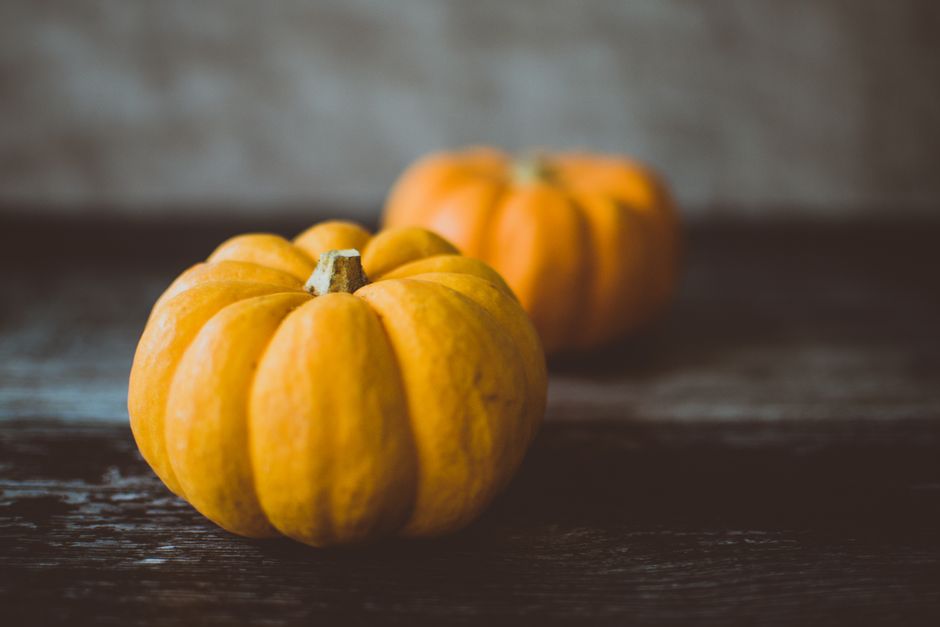
Botanically, a pumpkin is a fruit. It develops from the flower’s ovary and contains seeds, which is the definition botanists use to separate fruits from vegetables. In the kitchen and at the grocery store, though, most people treat pumpkin as a vegetable — and that everyday label is not wrong, just a different system.
The confusion comes from two fields using the same two words differently. Once you see why, the question stops being a trick and starts being a useful lesson in how language works.
Why Is A Pumpkin Botanically A Fruit?
In botany, a fruit is the part of a flowering plant that develops from the ovary and holds the seeds. A pumpkin fits that definition exactly. The orange shell grows from the flower’s ovary, and the seeds sit inside the flesh.
By that same rule, a tomato is a fruit. So is a cucumber, a zucchini, a bell pepper, and an eggplant. All of them form from the flower and carry seeds. None of them are vegetables in the botanical sense.
Botanists also have a more specific term. A pumpkin is a pepo — a type of berry with a hard rind, part of the gourd family. That family, Cucurbitaceae, includes melons, squash, and cucumbers. So in strict botanical language, a pumpkin is a large berry.
This is not a technicality invented to confuse people. The fruit-versus-vegetable split is a real classification. It tells a botanist how the plant reproduces and how the seed is protected. That information matters for plant science.
Is A Pumpkin A Veg In Cooking And Everyday Use?
In cooking, pumpkin is used like a vegetable. It goes into savory soups, curries, and roasted dishes. It is not usually eaten raw like an apple or folded into a fruit salad. That cooking role is why most people call it a vegetable.
The USDA, which tracks what Americans eat, groups pumpkin with vegetables in its food guidance. That is a practical choice, not a botanical one. It reflects how people actually use the food.
Here is the part that trips people up: both labels can be correct at the same time. “Fruit” answers a question about plant biology. “Vegetable” answers a question about cooking and culture. They are not competing answers to the same question.
There is no scientific body that rules one label wrong. A chef calling pumpkin a vegetable is not making a mistake. A botanist calling it a fruit is not being pedantic. They are speaking two different languages that happen to share some words.
What’s The Difference Between A Fruit And A Vegetable?
The word “vegetable” has no strict botanical definition. It is a culinary and cultural category, not a scientific one. That is the core of the whole puzzle.
In general use, a vegetable is a plant or plant part eaten as part of a savory meal — roots, stems, leaves, flowers, or fruits. A fruit, in everyday speech, is a sweet plant food eaten as a snack or dessert.
These two systems overlap and sometimes clash. The table below shows how common foods land in each system.
| Food | Botanical label | Everyday label |
|---|---|---|
| Pumpkin | Fruit (pepo) | Vegetable |
| Tomato | Fruit (berry) | Vegetable |
| Cucumber | Fruit (pepo) | Vegetable |
| Zucchini | Fruit (pepo) | Vegetable |
| Bell pepper | Fruit (berry) | Vegetable |
| Carrot | Vegetable (root) | Vegetable |
| Spinach | Vegetable (leaf) | Vegetable |
Notice that the everyday column is consistent for cooking, while the botanical column splits by plant anatomy. A carrot is a vegetable in both systems because it is a root, not a seed-bearing ovary. Spinach is a leaf, so it is a vegetable either way.
The clash only happens with foods that are technically fruits but get used like vegetables. Pumpkin is one of the clearest examples.
Is Pumpkin Nutritious?
Pumpkin is a nutrient-dense food. The orange flesh is rich in beta-carotene, which the body converts into vitamin A. It also provides vitamin C, potassium, and fiber, and it is low in calories when eaten plain.
One detail matters for anyone watching their diet. The bright orange pumpkin flesh is not the same as canned pumpkin pie filling. Pie filling has added sugar and spices. Plain canned pumpkin, or pure pumpkin purée, does not. The two are easy to confuse on a label.
The seeds are nutritious too. Pumpkin seeds provide protein, healthy fats, magnesium, and zinc. Roasted without heavy salt or sugar, they make a reasonable snack.
How you prepare pumpkin changes its nutritional profile a lot. Roasted or steamed plain, it stays low in calories. Baked into pie with sugar and cream, it becomes a dessert. The vegetable-or-fruit debate has no bearing on any of this — the nutrition depends on the recipe, not the label.
Is Pumpkin Good For You?
Pumpkin fits well into a balanced diet. It is a good source of several vitamins and minerals, and its fiber content supports normal digestion. The vitamin A from beta-carotene plays a role in vision, immune function, and skin health.
Be cautious with claims that pumpkin treats or prevents specific diseases. Some research has looked at pumpkin and its compounds, but the evidence is not strong enough to support those claims. No clinical evidence currently confirms that eating pumpkin prevents or cures any disease.
One practical note for people who take blood thinners such as warfarin. Pumpkin contains vitamin K, which interacts with these medications. Large, sudden changes in vitamin K intake can affect how the drug works. Anyone on a blood thinner should talk to their clinician before making big dietary changes — not because pumpkin is dangerous, but because consistency matters with these drugs.
For most people, the bigger issue is what comes with the pumpkin. Pie, sweetened lattes, and pumpkin-flavored desserts carry far more sugar and fat than the squash itself. The health question is usually about the sugar, not the pumpkin.
Why Does The Fruit Vs Vegetable Question Confuse People?
The confusion is a language problem, not a science problem. People hear “fruit” and “vegetable” as if they are two boxes and every food must go in one. In reality, the words answer two different questions.
Botany asks: how does this plant reproduce and protect its seeds? Cooking asks: how do we use this food in a meal? Pumpkin answers both questions, and the answers differ.
This is not unique to pumpkin. The same puzzle shows up with tomatoes, cucumbers, and peppers. The famous legal case about whether a tomato is a fruit or a vegetable — decided by the U.S. Supreme Court in the late 1800s — came down on the side of “vegetable” for tariff purposes, based on how people cook and eat it. That tells you the everyday label has real weight in law and commerce, even though it is not botanical.
So if someone tells you a pumpkin is a fruit, they are right about the plant. If someone else calls it a vegetable, they are right about the kitchen. Neither one is confused. They are just answering different questions.
Frequently Asked Questions
Is a pumpkin a fruit or a vegetable?
Botanically, a pumpkin is a fruit because it develops from the flower’s ovary and contains seeds. In cooking and everyday use, it is treated as a vegetable because it is used in savory dishes.
Why do people call pumpkin a vegetable if it is a fruit?
Because the word “vegetable” is a culinary category, not a botanical one. People group pumpkin with vegetables based on how it is cooked and eaten, not on plant anatomy.
Is a pumpkin a berry?
Yes, in botanical terms a pumpkin is a type of berry called a pepo, which has a hard rind and fleshy interior. Melons, cucumbers, and squash belong to the same group.
Are pumpkin seeds a fruit or a vegetable?
Pumpkin seeds are the seeds of the pumpkin fruit, so they come from a botanical fruit. Nutritionally, they are treated as a separate food because they are eaten on their own.
