
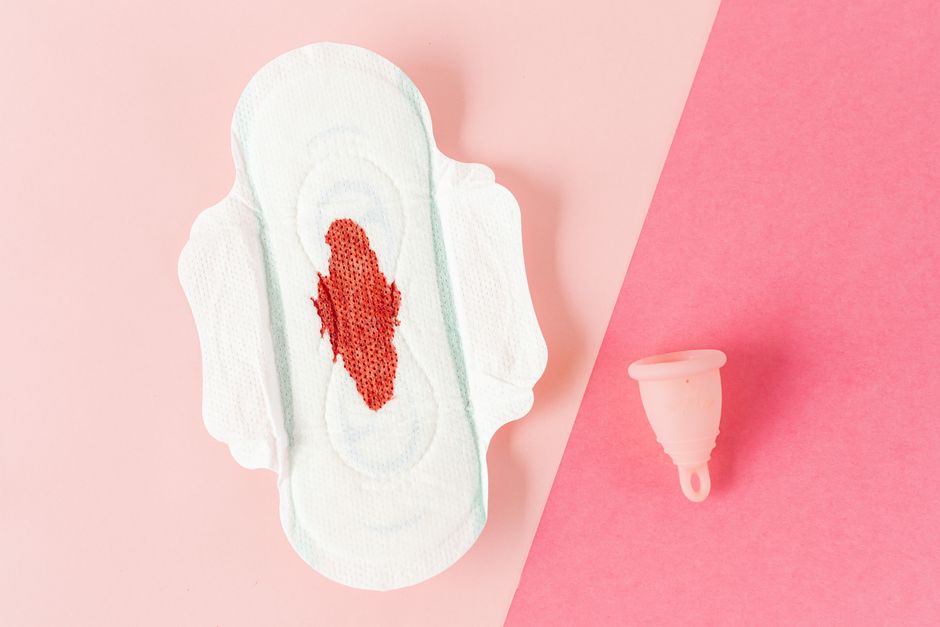
No, a menstrual cycle and a period are not the same thing. A period is one part of the menstrual cycle — the days when blood and tissue leave the uterus through the vagina. The menstrual cycle is the whole repeating sequence of hormonal and physical changes that prepares the body for a possible pregnancy, and it runs from the first day of one period to the first day of the next. In short: the period is an event inside the cycle, not the cycle itself.
That distinction sounds small, but it matters. It shapes how people track their cycles, how clinicians interpret symptoms, and how conditions like irregular bleeding get evaluated. This guide breaks down what each term means, how the cycle unfolds, and where common assumptions go wrong.
Is A Menstrual Cycle The Same As A Period?
They are related but distinct. A period — also called menstruation — is the shedding of the uterine lining (the endometrium) that causes vaginal bleeding. The menstrual cycle is the entire hormonal cycle that produces that bleeding and everything around it.
Think of it this way: a period is a phase of the cycle, much like a single scene is part of a whole film. The cycle includes the days of bleeding, the days after bleeding stops, ovulation, and the days before the next period begins.
Clinically, the two are measured differently. A period has a start and an end. A cycle is measured from the first day of one period to the first day of the next. So when someone says “my cycle is 28 days,” they are describing the full span — not the length of the bleeding itself.
This is why a person can have a “normal” period and still have an irregular cycle, or vice versa. The two describe different things, and both can carry useful health information.
What Actually Happens During A Menstrual Cycle?
The menstrual cycle is driven by hormones that rise and fall in a coordinated pattern. The main players are estrogen and progesterone, along with signaling hormones from the brain — follicle-stimulating hormone (FSH) and luteinizing hormone (LH).
The cycle is usually divided into phases. The first half is the follicular phase, when an egg matures inside the ovary and estrogen rises. Around the middle comes ovulation, when the ovary releases a mature egg. The second half is the luteal phase, when progesterone rises to support a possible pregnancy. If no pregnancy occurs, hormone levels fall, the uterine lining is shed, and the next period begins.
Menstruation itself — the bleeding — is the body clearing away the lining that built up during the cycle. It is not the “reset” some people imagine; it is one step in a continuous loop.
One detail people often miss: the hormonal events of the cycle affect far more than the uterus. They can influence mood, energy, appetite, sleep, and body temperature. That is part of why the cycle is best understood as a whole-body process, not just a reproductive one.
How Long Is A Menstrual Cycle Compared With A Period?
These two lengths are frequently confused, so it helps to keep them separate. The menstrual cycle is measured from the first day of one period to the first day of the next. A period is measured from the first day of bleeding to the last day of bleeding.
According to widely used clinical references, a typical menstrual cycle ranges from about 21 to 35 days in adults. Cycles at the shorter and longer ends of that range can still be normal for an individual. Cycle length can also vary from month to month, and some variation is expected.
A typical period lasts a few days — commonly around three to seven. The exact number varies between people and between cycles.
Here is the comparison in plain terms:
- Menstrual cycle: first day of one period to the first day of the next; typically about 21 to 35 days in adults.
- Period (menstruation): first day of bleeding to the last day of bleeding; typically a few days, often around three to seven.
Because the cycle is counted from the start of bleeding, the period technically marks the beginning of a new cycle. That is why tracking usually starts on day one of bleeding, not the day it ends.
Why Does The Difference Between A Cycle And A Period Matter?
The distinction affects real decisions — from contraception to fertility tracking to how symptoms get reported to a clinician.
For contraception, hormonal methods work by preventing ovulation, which is a cycle-level event, not a period-level one. The bleeding some people experience on certain hormonal contraceptives is often called a “withdrawal bleed.” It is not the same as a natural menstrual period, because it is triggered by a drop in hormones rather than by the normal cycle. This is a common point of confusion, and it is worth knowing if you use hormonal birth control.
For fertility, ovulation timing is the key event — and ovulation happens mid-cycle, not during the period. A person can be fertile on days when they are not bleeding. Understanding where ovulation falls within the cycle is central to fertility awareness methods, though these methods vary in reliability and are best discussed with a clinician.
For symptoms, the difference matters too. Cramps and bleeding are period-related. Symptoms that appear in the days before bleeding — like breast tenderness, mood shifts, or bloating — are tied to the luteal phase of the cycle. Conditions such as premenstrual syndrome (PMS) are defined by their timing within the cycle, not by the period alone.
For clinical evaluation, clinicians often ask about both: how long bleeding lasts, and how long the full cycle is. Those two numbers can point in different directions. A person with a long cycle but short bleeding is describing something different from a person with a short cycle and long bleeding.
What Counts As Irregular — A Period Or A Cycle?
Both can be irregular, but “irregular” means different things for each.
An irregular period usually refers to changes in bleeding itself — bleeding that is unusually heavy, unusually light, very short, or prolonged. A cycle is called irregular when the time between periods varies a lot from month to month, or when cycles consistently fall outside the typical range.
Some variation is normal. Cycles can shift with stress, travel, illness, significant weight change, and life stages such as the years around menopause. Occasional irregularity is common and does not automatically signal a problem.
However, certain patterns are worth discussing with a clinician. These include bleeding between periods, bleeding after sex, periods that are consistently very heavy or very painful, cycles that repeatedly fall well outside the typical range, or a sudden change from a previously stable pattern. These signs can have many possible causes, and only a clinician can evaluate which applies. This article cannot tell you what any specific pattern means for you.
One clarification: a “missed period” and a “missed cycle” are not quite the same. If ovulation does not occur in a given cycle, bleeding may not follow on schedule — so what looks like a missed period can reflect a cycle that did not complete its usual sequence.
Does A Period Always Mean Ovulation Happened?
No. A period does not guarantee that ovulation occurred in that cycle. This is one of the most common assumptions, and it is not always true.
Bleeding can happen without ovulation — this is sometimes called an anovulatory cycle. It can occur for many reasons, including certain hormonal conditions, significant stress, and life stages such as the years around menopause. In these cases, bleeding may still happen, but the usual mid-cycle release of an egg did not.
This is why fertility tracking based only on a calendar is unreliable for some people. A regular-looking period is not proof of ovulation, and ovulation is what determines fertility. Methods that track ovulation more directly — through temperature changes, cervical mucus, or hormone testing — exist, but their accuracy varies, and anyone relying on them for contraception or conception should get guidance from a clinician.
The reverse is also worth noting: the absence of a period does not always mean the absence of ovulation, particularly in certain medical situations. The relationship between bleeding and ovulation is real but not perfectly one-to-one.
Frequently Asked Questions
Is a period the same as a menstrual cycle?
No. A period is the bleeding phase of the menstrual cycle, while the cycle is the full sequence from the first day of one period to the first day of the next. The period is one part of the cycle, not the whole thing.
How many days is a normal menstrual cycle?
A typical adult menstrual cycle ranges from about 21 to 35 days, measured from the first day of one period to the first day of the next. Cycle length varies between people and between cycles, and some variation is expected.
Can you get pregnant during your period?
It is possible, though less common, because sperm can survive in the reproductive tract for several days and ovulation timing varies. The period itself is not a reliable indicator of fertility, so anyone avoiding pregnancy should not rely on period timing alone.
Does having a period mean you ovulated?
No. Bleeding can occur in cycles where ovulation did not happen, which is sometimes called an anovulatory cycle. A regular-looking period is not proof of ovulation.
