
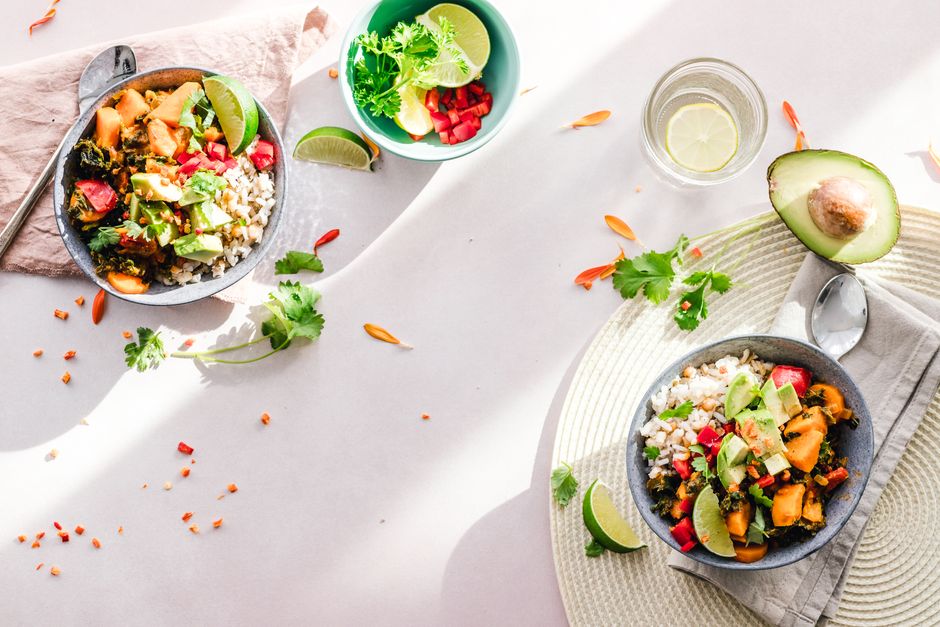
Whether a high carb diet helps or hurts weight loss depends almost entirely on what kind of carbohydrates you eat. Whole-food carbohydrates — beans, oats, whole grains, vegetables, fruit — are among the most filling and nutrient-dense foods you can eat, and diets built around them produce weight loss in clinical trials. Refined carbohydrates — white bread, sugary drinks, pastries — are strongly linked to weight gain. The science does not support one blanket verdict on carbs. It supports a clear split between quality and quantity.
Is A High Carb Diet Good For Weight Loss?
Yes, a high carb diet can support weight loss when the carbohydrates come from whole, minimally processed foods and total calories are controlled. No, a high carb diet built on refined starches and added sugars tends to promote weight gain.
The confusion comes from lumping very different foods under one label. A bowl of lentils and a can of soda are both “high carb.” Their effects on appetite, blood sugar, and body weight are not remotely similar.
Several well-known eating patterns are high in carbohydrate by design. Traditional diets in regions like Okinawa, rural China, and the Mediterranean historically drew most calories from grains, legumes, vegetables, and fruit. People eating these diets have generally had lower rates of obesity than populations eating Western refined-food diets. That is population data, not proof of cause. But it points in a consistent direction.
What Counts As A High Carb Diet?
There is no single official definition of “high carb.” In research, diets are usually described by the percentage of daily calories coming from carbohydrate. Low-carb diets typically fall under 30% of calories. Very low-carb and ketogenic diets go lower still. High-carb diets are usually defined as roughly 55% of calories or more.
Official dietary guidance in the United States has long recommended that carbohydrates make up 45% to 65% of daily calories. So by that standard, a typical recommended diet is already fairly high in carbohydrate.
What matters more than the percentage is the source. The same 60% carbohydrate target can be met with oatmeal, beans, and vegetables or with white bread, juice, and candy. Those are not the same diet, even though the macro percentages match.
Why Do High Carb Diets Sometimes Fail For Weight Loss?
When high carb diets fail, refined carbohydrates and excess calories are usually the reason. Not carbohydrates in general.
Refined carbohydrates are digested quickly. They raise blood sugar fast, which triggers an insulin response. Blood sugar then falls, sometimes dipping low enough to trigger hunger and cravings within a couple of hours. This cycle can make it harder to control how much you eat.
Liquid carbohydrates deserve special mention. Calories from soda, juice, and sweetened coffee drinks are far less filling than the same calories from solid food. Research consistently shows that liquid calories are poorly compensated for by the body’s appetite system. You can drink several hundred calories and still feel hungry.
There is also a simple calorie trap. High-carb foods like pasta, rice, and bread are easy to overeat, especially when served in large portions and topped with fats and sauces. The carbohydrate itself is not the problem. The portion and the preparation are.
One clarification worth holding onto: the “insulin makes you fat” idea, popular in some diet circles, is oversimplified. Insulin does influence fat storage, but body weight is driven mainly by overall energy balance over time. Insulin is part of the picture, not the whole picture.




Why Do Whole-Food Carbs Help With Weight Loss?
Whole-food carbohydrates are some of the most filling foods available. That is their main advantage for weight loss.
Fiber is the key. Beans, lentils, oats, barley, and whole grains contain large amounts of fiber and water. Fiber slows digestion, adds bulk, and helps you feel full on fewer calories. Most Americans eat far less fiber than recommended, and increasing it is one of the more reliable ways to reduce hunger.
- Whole grains like oats, brown rice, and barley digest slowly and keep you full longer.
- Legumes such as beans and lentils combine fiber and protein, a strong pairing for appetite control.
- Vegetables and fruit add volume and water, which helps fill you up with relatively few calories.
- Whole-food carbs also carry vitamins, minerals, and plant compounds that refined grains lose in processing.
These foods also tend to be less calorie-dense. A large serving of vegetables or a bowl of bean soup fills the stomach with far fewer calories than a similar volume of refined grains or fried food. That matters for anyone trying to eat less without feeling deprived.
Research published in the journal Nutrients and elsewhere has found that diets emphasizing whole grains, legumes, and vegetables can produce meaningful weight loss, often comparable to other diet approaches when calories are matched. The strongest and most consistent finding across nutrition research is that food quality matters as much as, or more than, the carb-to-fat ratio.
How Do High Carb Diets Compare To Low Carb Diets?
When calories and protein are matched, high carb and low carb diets produce broadly similar weight loss in controlled trials. This is one of the more consistent findings in nutrition science.
Head-to-head studies have generally found small differences in weight loss between the two approaches, with results varying by study and by person. The clearest pattern is that adherence matters most. People tend to lose weight on whichever diet they can actually stick with.
There are real differences in how each approach feels. Low-carb diets often reduce appetite for some people in the early weeks. High-carb whole-food diets tend to be more affordable, more filling per calorie, and easier to sustain long-term for many people. Neither approach is universally superior.
Some individuals with insulin resistance or type 2 diabetes may respond differently to carbohydrate intake, and this is an area where individual medical guidance matters. Anyone managing a health condition should discuss diet changes with a clinician rather than relying on general rules.
What Should A Weight-Loss High Carb Diet Actually Look Like?
A high carb diet that supports weight loss is built on whole foods, with refined carbohydrates kept to a minimum. The structure is simple even if the details vary.
Most of the carbohydrate should come from vegetables, fruit, legumes, and whole grains. Protein and healthy fats round out meals and add satiety. Refined grains, added sugars, and sugary drinks should be limited, not because carbs are bad, but because these foods add calories with little fullness in return.
Practical anchors that hold up well:
- Choose whole grains over refined ones most of the time — oats, barley, brown rice, whole wheat.
- Build meals around vegetables and legumes, then add protein and a modest amount of fat.
- Drink water instead of sugary drinks. This single change removes a common source of hidden calories.
- Watch portions of dense starches like pasta and rice, which are easy to over-serve.
- Keep total calories in a range that supports gradual, sustainable weight loss.
Fiber intake deserves attention here. Most adults fall short of recommended fiber levels, and increasing it gradually — with plenty of water — helps avoid digestive discomfort while supporting fullness.
Does The Type Of Carbohydrate Matter More Than The Amount?
For most people trying to lose weight, the type of carbohydrate matters more than the total amount. This is where the evidence is strongest and most consistent.
Diets high in refined carbohydrates and added sugars are linked to weight gain, higher risk of type 2 diabetes, and poorer heart health across many large studies. Diets high in whole-food carbohydrates are linked to the opposite. The pattern holds across different populations and study designs.
That does not mean quantity is irrelevant. Calories still count, and even whole-food carbohydrates can be eaten in excess. But the quality of the carbohydrate changes how filling the diet is, how stable blood sugar stays, and how easy it is to control portions without willpower.
If you are deciding between cutting carbs or improving their quality, improving quality is the better-supported first step. Cutting refined carbohydrates and added sugars is one of the more reliable changes you can make, and it does not require giving up carbohydrates altogether.
Frequently Asked Questions
Can you lose weight on a high carb diet?
Yes, you can lose weight on a high carb diet if the carbohydrates come mostly from whole foods and total calories are controlled. Whole grains, beans, vegetables, and fruit are filling and support weight loss in clinical trials.
Are carbs bad for weight loss?
No, carbohydrates are not inherently bad for weight loss. Refined carbohydrates and added sugars are linked to weight gain, but whole-food carbohydrates are linked to better weight control and health outcomes.
What is a good high carb diet for weight loss?
A good high carb diet is built on vegetables, fruit, legumes, and whole grains, with protein and healthy fats included. It limits refined grains, added sugars, and sugary drinks while keeping total calories in a range that supports gradual weight loss.
Do high carb diets work as well as low carb diets?
When calories and protein are matched, high carb and low carb diets produce broadly similar weight loss in controlled trials. The bigger factor is which approach a person can stick with long term.
