
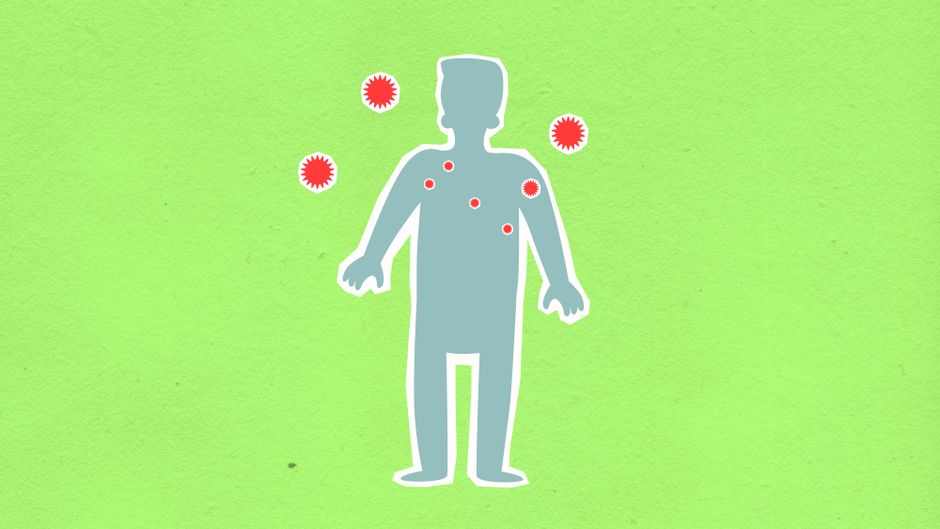
A hemoglobin level of 8 g/dL is considered moderate anemia. It is below the normal range for nearly all adults and warrants medical evaluation. At this level, you may feel tired, short of breath, or dizzy, but many people adapt and notice few symptoms. The real concern is not just the number itself but how quickly it dropped and why it is low.
What Does a Hemoglobin Level of 8 Actually Mean?
Hemoglobin is the protein in red blood cells that carries oxygen from your lungs to the rest of your body. When your hemoglobin drops, your tissues receive less oxygen. That affects everything from muscle function to brain performance.
Normal hemoglobin ranges vary slightly by age and sex. For adult men, the typical range is 13.5 to 17.5 g/dL. For adult women, it is 12.0 to 15.5 g/dL. A level of 8 g/dL sits well below both of these ranges.
Doctors classify anemia by severity. Mild anemia is usually a hemoglobin level just below normal. Moderate anemia typically falls between 8 and 10 g/dL. Severe anemia is anything below 8 g/dL. So a level of 8 sits right at the boundary between moderate and severe.
The classification matters because it guides treatment decisions. A hemoglobin of 8 often triggers more aggressive investigation than a level of 10. It may also prompt treatment rather than simple observation.
Symptoms You Might Notice at Hemoglobin 8
Common symptoms of moderate anemia include fatigue, weakness, and pale skin. You may feel short of breath during physical activity that used to feel easy. Climbing stairs or walking briskly might leave you winded.
Other symptoms include dizziness, headache, cold hands and feet, and chest pain with exertion. Some people notice heart palpitations or a racing heartbeat. This happens because your heart works harder to pump oxygen-rich blood through your body.
Here is the part that surprises many people: symptoms do not always match the number. Some people with a hemoglobin of 8 feel nearly normal. Others feel terrible at 9. The difference often comes down to how quickly the anemia developed.
If your hemoglobin dropped slowly over months, your body had time to adapt. Your heart and lungs made adjustments to compensate. If it dropped quickly over days or weeks, your symptoms will likely be more severe. Rapid drops are also more dangerous regardless of the final number.
What Causes Hemoglobin to Drop to 8?
Low hemoglobin has three main causes: the body is not making enough red blood cells, the body is destroying red blood cells too quickly, or blood loss is happening somewhere.
Iron deficiency is the most common cause worldwide. Your body needs iron to make hemoglobin. Without enough iron, red blood cell production slows down. Vitamin B12 and folate deficiencies can also cause low hemoglobin because these nutrients are required for healthy red blood cell formation.
Chronic diseases can also lower hemoglobin. Kidney disease, inflammatory conditions, and some cancers affect the body’s ability to produce red blood cells. Bone marrow disorders like aplastic anemia or leukemia are less common but more serious causes.
Blood loss is another major cause. In women of reproductive age, heavy menstrual bleeding is a frequent culprit. In older adults, gastrointestinal bleeding from ulcers, polyps, or colon cancer must be considered. Blood in the stool is not always visible, so doctors may test for it when anemia is unexplained.
Some medications can cause anemia as a side effect. Chemotherapy drugs, certain antibiotics, and medications that suppress the immune system can all affect red blood cell production.




Is a Hemoglobin of 8 Dangerous?
A hemoglobin of 8 is not immediately life-threatening in a stable adult. However, it does carry real risks, especially for certain groups of people.
People with heart disease face higher risks at this level. The heart already works harder when coronary arteries are narrowed. Add anemia on top of that, and the heart muscle may not receive enough oxygen. This can trigger chest pain, worsen heart failure, or increase the risk of a heart attack.
Pregnant women need special attention at this level. Anemia during pregnancy increases the risk of preterm birth, low birth weight, and maternal fatigue. The developing fetus depends on the mother’s blood for oxygen and nutrients.
Older adults also tolerate anemia less well. They are more likely to fall due to dizziness or weakness. Falls can lead to fractures, hospitalizations, and loss of independence.
If your hemoglobin is dropping rapidly, that is more concerning than a stable low number. A sudden drop may indicate active bleeding. This requires urgent medical attention.
When Should You Seek Emergency Care?
Certain symptoms with a hemoglobin of 8 warrant immediate medical attention. Chest pain, especially with exertion, should never be ignored. Shortness of breath at rest is another red flag. Fainting or near-fainting episodes also require urgent evaluation.
Rapid heart rate that does not settle down, confusion, or difficulty thinking clearly are additional warning signs. These symptoms suggest your organs are not getting enough oxygen.
If you notice black or tarry stools, or visible blood in your stool, this indicates gastrointestinal bleeding. This requires prompt evaluation to find the source of the bleeding and stop it.
When in doubt, seek medical care. It is always better to be evaluated and told everything is stable than to wait and risk a serious complication.
How Is a Hemoglobin of 8 Treated?
Treatment depends entirely on the underlying cause. There is no one-size-fits-all approach.
Iron deficiency anemia is typically treated with oral iron supplements. Your doctor will determine the appropriate dose based on your specific situation. Iron pills can cause constipation and stomach upset, but taking them with food can help. Vitamin C improves iron absorption, so many doctors recommend taking iron with orange juice.
Severe cases may require intravenous iron. This delivers iron directly into your bloodstream and works faster than oral supplements. IV iron is typically used when oral iron is not effective, is not tolerated, or the anemia is severe enough to need quick correction.
Vitamin B12 deficiency is treated with B12 injections or high-dose oral supplements. Folate deficiency is treated with folic acid supplements.
If a medication is causing the anemia, your doctor may adjust the dose or switch to an alternative. If bleeding is the cause, finding and stopping the source of bleeding is the priority.
Blood transfusions are reserved for specific situations. A hemoglobin of 8 does not automatically require a transfusion. Transfusions are typically considered when hemoglobin drops below 7, or when a person has symptoms like chest pain or shortness of breath that do not improve with other treatments.
What Tests Will Your Doctor Order?
A complete blood count confirms the hemoglobin level and provides other important information. Your doctor will look at red blood cell size, which helps narrow down the cause.
Iron studies measure your body’s iron stores. This includes serum ferritin, which reflects stored iron. Low ferritin confirms iron deficiency.
Vitamin B12 and folate levels may be checked if your doctor suspects a nutritional deficiency. Kidney function tests may be ordered to rule out kidney disease as a cause.
Depending on your symptoms and risk factors, your doctor may recommend additional tests. These could include a colonoscopy to check for gastrointestinal bleeding or a bone marrow biopsy if a marrow disorder is suspected.
Can You Raise Hemoglobin Naturally?
Diet can support healthy hemoglobin levels, but diet alone rarely fixes moderate anemia. If you are iron deficient, eating iron-rich foods can help. Red meat, poultry, fish, beans, lentils, and fortified cereals are good sources.
Pairing iron-rich foods with vitamin C helps your body absorb more iron. Citrus fruits, tomatoes, and bell peppers are good options. Avoid drinking tea or coffee with meals because they can reduce iron absorption.
If your anemia is not caused by iron deficiency, dietary changes will not help. Eating more iron will not fix B12 deficiency or anemia from chronic disease. This is why knowing the cause matters before making changes.
Frequently Asked Questions
Can a hemoglobin of 8 cause a heart attack?
Yes, it can increase the risk, especially if you already have heart disease. The heart works harder to deliver oxygen, and that extra strain can trigger chest pain or a heart attack in vulnerable people.
How long does it take to recover from a hemoglobin of 8?
Recovery time depends on the cause and treatment. With iron supplements, hemoglobin typically rises within 2 to 4 weeks, but full normalization may take 2 to 3 months.
Is a hemoglobin of 8 considered severe anemia?
It sits at the boundary between moderate and severe anemia. Most classifications consider levels below 8 g/dL severe, so a level of 8 is just above that threshold.
Do I need a blood transfusion for hemoglobin of 8?
Not necessarily. Transfusions are usually reserved for hemoglobin below 7 or for people with significant symptoms like chest pain or severe shortness of breath. Your doctor will decide based on your overall condition.
If your hemoglobin is 8, the most important step is finding out why. Work with your doctor to identify the cause and develop a treatment plan. With proper care, most causes of moderate anemia can be corrected or managed effectively.
