
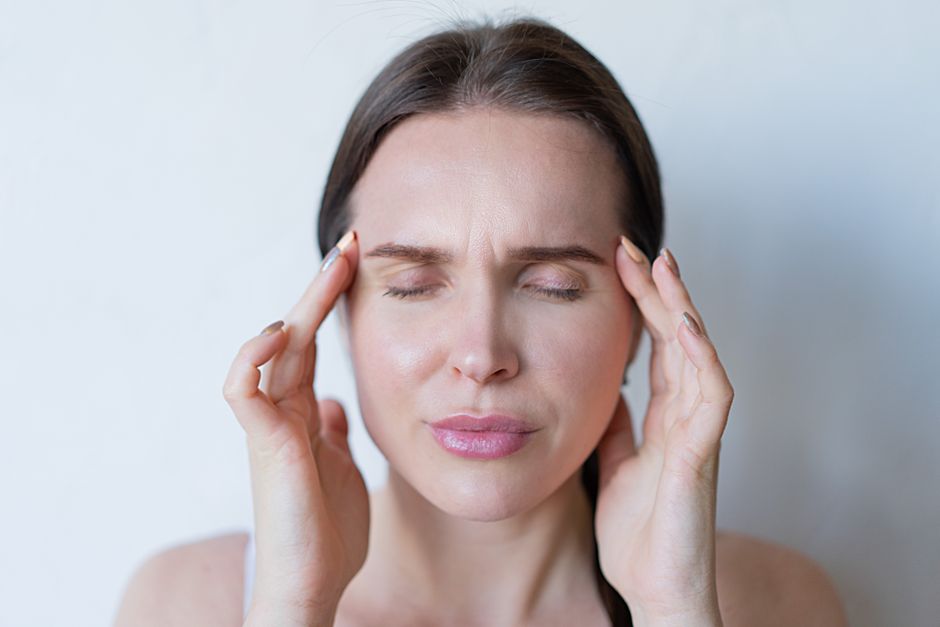
High blood pressure has a nickname that tells you a lot: the silent killer. It earns that name because most people with hypertension feel nothing at all. No pain, no dizziness, no warning sign. So does a headache mean your blood pressure is up? Usually not. For the vast majority of people, a headache is not a reliable sign of high blood pressure. The link is real only in a narrow, serious situation: when blood pressure climbs to extreme levels, often called a hypertensive crisis.
That distinction matters. Treating every headache as a blood pressure problem can send you looking for the wrong cause. Ignoring a headache that comes with very high pressure can be dangerous. The rest of this article explains where the connection holds and where it falls apart.
Is A Headache Really A Sign Of High Blood Pressure?
For most people with everyday high blood pressure, a headache is not a symptom. Large population studies have repeatedly found that mild to moderate hypertension usually causes no symptoms at all. People are often surprised to learn they have high blood pressure only after a routine check.
The picture changes when blood pressure rises to severe levels. Headache is a recognized symptom of hypertensive crisis, generally defined as a reading above 180/120 mmHg. At those levels, a headache can be a genuine warning sign, and it needs urgent medical attention. The key word is extreme. A reading of 145/92 is high, but it does not typically produce a headache.
There is a common misconception worth clearing up. Many people believe they can feel their blood pressure rising through a headache, a flushed face, or a pounding in the ears. Research has tested this belief, and it does not hold up well. Most people cannot reliably sense their own blood pressure.
Why Does High Blood Pressure Usually Cause No Symptoms?
Blood vessels do not have pain receptors that fire when pressure rises gradually. The arteries can stretch and adapt over months and years, so a slow climb in pressure produces no sensation. This is why hypertension is often found by accident, during a check for something else.
When blood pressure spikes suddenly and severely, the body can respond differently. Very high pressure can affect the brain and its blood vessels, and this is when symptoms like headache, vision changes, or confusion may appear. The speed of the rise matters as much as the number itself. A fast jump to a high reading is more likely to cause symptoms than a slow drift to the same level.
This is also why checking your blood pressure is the only reliable way to know it. You cannot feel it, and you cannot guess it from how you feel that day.
When Is A Headache Actually Linked To Blood Pressure?
A headache becomes a blood pressure concern when it comes with a very high reading, especially above 180/120 mmHg. In that situation, the headache may be part of a hypertensive crisis, which is a medical emergency.
Watch for a headache that arrives alongside any of these:
- Chest pain or shortness of breath
- Vision changes, blurring, or loss of sight
- Weakness, numbness, or trouble speaking on one side
- Confusion or difficulty staying alert
- Severe headache that feels like the worst of your life
If a very high reading comes with any of these symptoms, seek emergency care right away. Do not wait to see if it passes. A sudden severe headache on its own, even without a known blood pressure problem, also deserves urgent attention because it can signal bleeding in the brain or another serious condition.
There is a less common situation where headache and high blood pressure genuinely travel together. Some people have what clinicians call a hypertensive emergency, where the pressure is high enough to damage organs. Headache is one of the possible signs. This is a hospital-level problem, not something to manage at home.
What Usually Causes A Headache If It Is Not Blood Pressure?
Most headaches have nothing to do with blood pressure. Tension headaches are the most common type, often linked to muscle tightness in the neck and scalp. Migraines are another major cause, and they can involve throbbing pain, sensitivity to light, and nausea.
Other frequent triggers include dehydration, poor sleep, skipped meals, stress, and too much screen time. Some headaches come from sinus problems, eye strain, or caffeine withdrawal. In rare cases, a headache signals something serious like a stroke, meningitis, or a tumor, which is why certain warning signs matter.
Here is a point that often gets missed. Because headaches are so common and high blood pressure is also common, the two frequently show up in the same person by coincidence. Finding both does not prove one caused the other. That overlap is a big reason the myth persists.
Can A Headache Raise Your Blood Pressure Reading?
Yes, and this trips people up. Pain itself can push blood pressure up temporarily. If you are in the middle of a bad headache and check your pressure, the number may read higher than usual simply because you are hurting and stressed.
That temporary bump is not the same as having hypertension. A single high reading during pain, stress, or illness does not diagnose high blood pressure. Proper diagnosis relies on repeated readings taken under calm conditions, often over several visits, or on home monitoring done correctly.
If you want an accurate reading, check your pressure when you are comfortable and rested, not in the middle of a headache. Sit quietly for a few minutes first, keep your feet flat, and rest your arm at heart level.
How Can You Tell If Your Blood Pressure Is High?
The only dependable way is to measure it. Normal blood pressure is generally below 120/80 mmHg. Hypertension is typically diagnosed at 130/80 mmHg or higher, based on established clinical guidelines. Readings in between fall into an elevated range.
Because symptoms are unreliable, regular checks matter, especially if you have risk factors. These include a family history of high blood pressure, older age, excess weight, a high-salt diet, physical inactivity, and heavy alcohol use. Many of these can be changed, which is why screening and lifestyle steps are worth taking seriously.
Home blood pressure monitors are widely available and can help you and your clinician track patterns over time. Bring your readings to appointments. A log of numbers taken on different days tells a much clearer story than one measurement in a doctor’s office.
| Blood Pressure Range | Category | Typical Symptoms |
|---|---|---|
| Below 120/80 mmHg | Normal | None |
| 120–129 systolic, under 80 diastolic | Elevated | Usually none |
| 130/80 mmHg or higher | Hypertension | Usually none |
| Above 180/120 mmHg | Hypertensive crisis | May include headache, vision changes, chest pain |
What Should You Do If You Have A Headache And High Blood Pressure?
Start by checking your blood pressure if you have a monitor. If the reading is above 180/120 mmHg, especially with symptoms like chest pain, vision changes, weakness, or confusion, treat it as an emergency and get help immediately.
If your reading is high but not in that extreme range, and the headache is your usual type, the headache is more likely unrelated to your pressure. Manage the headache as you normally would, and mention both to your clinician. Do not try to self-adjust blood pressure medication based on a headache or a single reading. That is a decision for your doctor.
Some people worry that taking pain relievers for headaches will harm their blood pressure. Certain over-the-counter pain medicines, especially when used often, can raise blood pressure in some people. If you take them regularly, it is worth asking your clinician or pharmacist whether they fit your situation.
Frequently Asked Questions
Can high blood pressure cause headaches?
Only when blood pressure reaches extreme levels, generally above 180/120 mmHg, is headache a recognized symptom. Everyday high blood pressure usually causes no symptoms at all.
What does a high blood pressure headache feel like?
There is no single reliable pattern, though some reports describe a throbbing pain, often in the morning or at the back of the head. The reading matters more than the feel of the headache for judging risk.
Should I check my blood pressure during a headache?
Yes, if you have a monitor, it can help you know whether the reading is dangerously high. Keep in mind that pain and stress can temporarily raise the number.
Can a headache raise blood pressure temporarily?
Yes, pain and stress can push a reading up for a short time. That temporary rise is not the same as having hypertension.
