
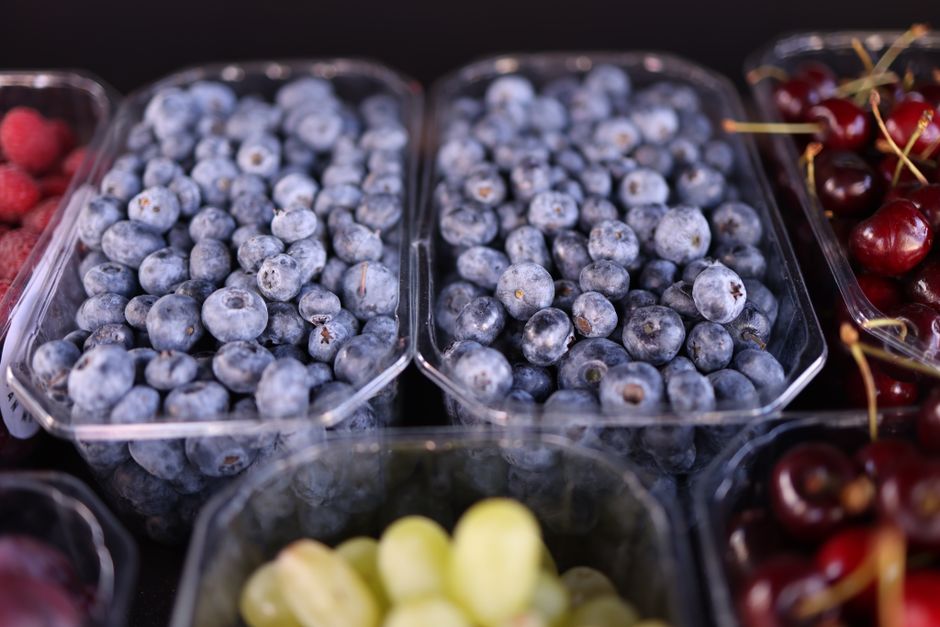
A grape is both a fruit and a berry, depending on which definition you use. In everyday cooking, a grape is simply a fruit. In botany, the scientific study of plants, a grape is classified specifically as a berry. The confusion happens because the word “fruit” has a loose everyday meaning and a very precise scientific meaning.
What Is the Botanical Definition of a Fruit?
In botany, a fruit is the mature ovary of a flowering plant. It develops after the flower is pollinated. The ovary swells and ripens, protecting the seeds inside until they are ready to grow.
This definition is much broader than what you see in a grocery store. Tomatoes, cucumbers, peppers, and squash are all botanical fruits because they grow from flowers and contain seeds. So is a grape. Every berry is a fruit, but not every fruit is a berry.
What Makes a Berry a Berry in Botany?
Botanists use a strict set of rules to decide what counts as a berry. A true berry must meet three conditions. It must come from a single flower with a single ovary. It must have a soft outer skin. And it must contain multiple seeds inside a fleshy interior.
Grapes meet every one of these criteria. They grow from one flower, have thin edible skin, and contain several seeds in juicy flesh. That makes a grape a true botanical berry.
Many fruits people call berries do not actually qualify. Strawberries, raspberries, and blackberries are not berries by this definition. They are aggregate fruits because they form from multiple ovaries in a single flower. Blueberries, cranberries, and tomatoes are genuine berries, just like grapes.
Why Do People Confuse Berries With Small Fruits?
The everyday meaning of “berry” is small and sweet. People use the word to describe any tiny fruit they can pop into their mouths. That practical definition has nothing to do with plant anatomy.
Language and science simply use different systems. In the kitchen, a berry is a small juicy fruit. In the lab, a berry is a specific type of plant structure. Both definitions are valid in their own contexts. The problem only appears when someone mixes the two systems in one conversation.
A banana is a botanical berry too. So is a watermelon. Neither looks like the berries you buy in a pint container, which shows how far the everyday meaning has drifted from the scientific one.





Is A Grape A Berry Or A Fruit The Botanical Answer Explained Simply
The botanical answer is yes to both questions. A grape is a berry, and a berry is a type of fruit. The categories are not opposites. They are nested inside each other like Russian dolls.
Think of it this way. All berries are fruits. All grapes are berries. Therefore all grapes are fruits. The word “fruit” is the broad category, and “berry” is one specific subgroup within it.
This is not a matter of opinion or a trick question. It is settled plant biology that has been understood for centuries. When a botanist examines a grape, they see a textbook example of a berry with no ambiguity at all.
What Other Common Foods Are Berries?
Once you understand the botanical definition, you start noticing berries everywhere. Many foods you never considered berries actually fit the scientific criteria perfectly.
- Bananas are berries with soft flesh and tiny seeds you barely notice.
- Watermelons are berries with a thick rind, technically called pepos.
- Kiwi fruit are berries with fuzzy edible skin.
- Tomatoes are berries that botanists have always classified correctly.
- Eggplant is a berry that most people never think about botanically.
Notice what is missing from this list. Strawberries, blackberries, and raspberries are not berries. They are aggregate fruits made of many tiny individual fruits clustered together. Each little bump on a raspberry is actually its own tiny fruit with its own seed.
Why Does the Botanical Classification Matter?
For most people, this distinction is purely academic. You do not need to know plant anatomy to enjoy a bunch of grapes. The classification does not change the taste, nutrition, or how you cook with the fruit.
But the classification matters for gardeners, botanists, and plant breeders. Understanding how a fruit develops helps predict how it will grow. It also helps explain why certain plants behave the way they do when crossbred or grafted.
There is also a practical reason to know the difference. If you are reading a gardening guide or a seed catalog, the botanical terms appear constantly. Knowing that a grape is a true berry helps you understand why it is grouped with plants like blueberries rather than with strawberries in technical references.
The Difference Between Botanical and Culinary Classifications
Botany and cooking classify food differently because they have different goals. Cooking cares about flavor and texture. Botany cares about plant structure and reproduction.
In the kitchen, fruits are sweet and vegetables are savory. That is why tomatoes are called vegetables in recipes even though they are botanically fruits. The culinary system is practical and useful for everyday life.
In botany, the structure of the plant determines everything. A fruit is defined by where it comes from, not how it tastes. This is why a sour lemon and a sweet grape are both fruits while a sweet potato, which is a root, is not a fruit at all.
Neither system is wrong. They simply answer different questions. When someone asks if a grape is a berry or a fruit, the accurate response is to clarify which system they mean. In cooking, it is a fruit. In botany, it is both a fruit and a berry.
How Grapes Compare to Other Berries
Grapes share their botanical family with several other well-known berries. Understanding these relationships makes the classification easier to remember.
All true berries share the same basic structure. They have an outer skin called the exocarp, fleshy middle tissue called the mesocarp, and an inner layer holding the seeds called the endocarp. In a grape, all three layers are edible and soft.
Some berries have tougher skins than grapes. Watermelons and pumpkins are berries with hard rinds. Botanists call these special berries pepos. Citrus fruits like oranges and lemons are also modified berries with thick leathery skins called hesperidia.
Grapes sit at the simple end of the berry spectrum. They are unmodified, straightforward berries that match the textbook definition without any special exceptions.
Frequently Asked Questions
Is a grape a berry scientifically?
Yes, a grape is a true botanical berry because it develops from a single flower ovary and has soft skin with multiple seeds inside. Botanists classify grapes as berries without any debate.
What is the difference between a berry and a fruit?
A berry is always a fruit, but a fruit is not always a berry. Fruit is the broad category for any seed-bearing structure from a flower, while berry is one specific type of fruit with particular structural features.
Are strawberries berries?
No, strawberries are not botanical berries because they form from multiple ovaries in a single flower. They are aggregate fruits, while grapes and bananas are true berries.
Why is a banana considered a berry?
A banana is a berry because it grows from a single flower with one ovary and has soft flesh containing seeds. The seeds are tiny and often overlooked, but the structure meets every botanical requirement for a berry.
