
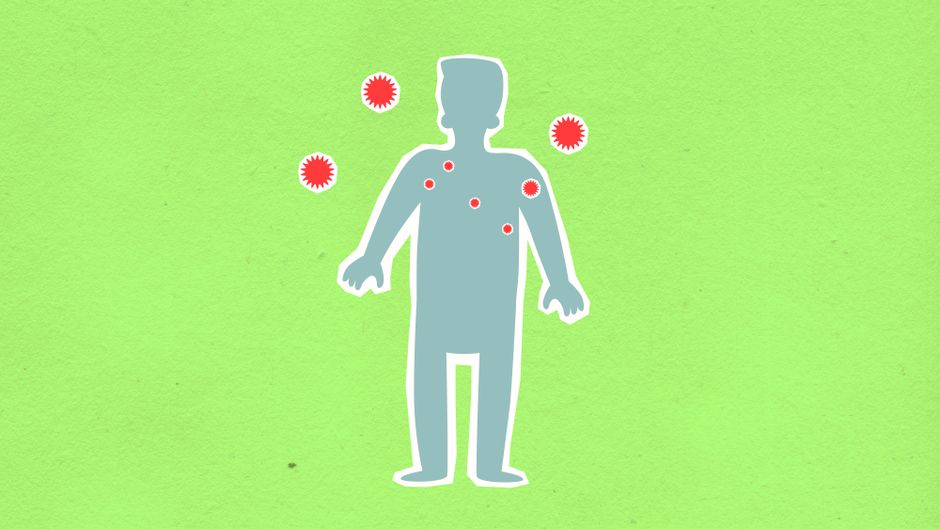
A common cold is absolutely contagious. You can catch it from someone who is sick, and you can pass it to others before you even feel symptoms. The cold virus spreads easily through the air and on everyday surfaces, which is why it moves so quickly through families, schools, and offices. Understanding exactly how it spreads is the best way to stop it.
How Does the Common Cold Spread?
The common cold is caused by viruses, most often rhinoviruses. These viruses live in an infected person’s nose and throat. When that person talks, coughs, or sneezes, they send tiny droplets into the air. If you breathe those droplets in, the virus can enter your body.
The virus also spreads through touch. An infected person touches their nose or mouth, then touches a doorknob, a phone, or a countertop. The virus can survive on those surfaces for hours. When you touch the same surface and then touch your eyes, nose, or mouth, you can infect yourself.
This is why handwashing is one of the most effective ways to avoid a cold. The virus enters through the mucous membranes of your face, not through the skin on your hands. Keeping your hands away from your face is a simple but powerful habit.
When Are You Most Contagious?
You are contagious before you feel sick. The virus begins multiplying in your body one to three days before symptoms appear. During this time, you can spread the virus without knowing you have it.
You are most contagious during the first two to three days of symptoms. This is when your viral load is highest. As your immune system fights the virus, the amount of virus you shed gradually decreases.
You can remain contagious for up to two weeks, especially in children and people with weaker immune systems. However, the risk of spreading the virus drops significantly after the first week. In most healthy adults, the contagious period lasts about seven to ten days.
How Long Is a Cold Contagious on Surfaces?
Cold viruses can survive on hard surfaces like plastic, metal, and glass for up to several days. On porous surfaces like fabric and paper, they usually survive for a shorter time, typically a few hours.
Rhinoviruses are surprisingly hardy. Research shows they can remain infectious on surfaces for 24 hours or more in some conditions. This is why sharing items like cups, utensils, or towels with someone who has a cold is risky.
Regular cleaning with soap and water or a common household disinfectant kills the virus. You do not need special products. Standard cleaning practices are enough to reduce the risk of surface transmission.




Can You Catch a Cold from Cold Weather?
No. Cold weather itself does not cause a cold. The illness is caused by a virus, not by temperature. Being outside in the cold without a coat will not give you a cold on its own.
However, cold weather can make you more susceptible. When the air is cold and dry, the lining of your nose and airways becomes drier. This may make it easier for a virus to take hold once it enters your body. Some research also suggests that cold air can reduce the immune response in your nasal passages.
People also spend more time indoors in winter. Closed windows and crowded rooms mean more shared air. This increases your exposure to someone else’s respiratory droplets. The season matters, but the virus is the actual cause.
What Are the First Signs You Are Contagious?
The first signs of a cold are often a scratchy throat, sneezing, and a runny nose. You may feel tired or have a mild headache. These symptoms usually appear one to three days after the virus enters your body.
Fever is uncommon in adults with a cold. If you have a fever above 100.4°F (38°C), it is more likely to be the flu or another infection. Children with colds sometimes run a low fever, but this is less typical in adults.
You should assume you are contagious from the moment you feel any cold symptom. You were likely contagious even before that. If you have symptoms, stay home from work or school if possible, especially during the first few days.
How Do You Avoid Spreading a Cold?
The most effective steps are simple and well supported by evidence.
- Cover your coughs and sneezes with a tissue or your elbow, not your hands.
- Wash your hands frequently with soap and water for at least 20 seconds.
- Use hand sanitizer with at least 60% alcohol when soap is not available.
- Avoid touching your face, especially your eyes, nose, and mouth.
- Stay home while symptoms are active, particularly in the first few days.
- Disinfect high-touch surfaces like doorknobs, light switches, and phones.
- Avoid sharing personal items like cups, towels, or eating utensils.
Masks are effective at reducing the spread of respiratory viruses. A well-fitted mask worn by an infected person traps many of the droplets that carry the virus. This is especially useful if you must be around others while sick.
How Do You Avoid Catching a Cold?
Your best defense is the same hygiene that prevents spread. Wash your hands before eating and after being in public spaces. Keep your hands away from your face. Avoid close contact with people who are actively sneezing or coughing.
Your immune system plays a role too. Getting enough sleep, eating a balanced diet, and managing stress help your body fight off infections. These habits do not make you immune, but they support a stronger immune response.
Vitamin C and zinc are popular for cold prevention, but the evidence is limited. Some studies suggest zinc lozenges may shorten a cold if started early, but results are inconsistent. No supplement has been proven to prevent a cold reliably. A healthy diet is more valuable than any single supplement.
When Are You No Longer Contagious?
You are generally no longer contagious once your symptoms have significantly improved and you have been fever-free for 24 hours without using fever-reducing medication. For most people, this is about seven to ten days after symptoms start.
Mild residual symptoms like a lingering cough do not necessarily mean you are still contagious. A cough can persist for weeks after the infection has cleared. This is due to airway inflammation, not active viral shedding.
Children may remain contagious longer than adults. If you are unsure whether a child should return to school, the general guidance is to keep them home until symptoms have improved and they have been fever-free for 24 hours. When in doubt, a healthcare provider can offer specific advice.
When Should You See a Doctor?
Most colds resolve on their own within seven to ten days. You do not usually need to see a doctor. However, some symptoms warrant medical attention.
Seek care if you have a fever lasting more than three days, difficulty breathing, chest pain, or severe headache. Also seek care if symptoms worsen after a week instead of improving. These can be signs of a secondary infection like bronchitis, sinusitis, or pneumonia.
Colds are caused by viruses, so antibiotics do not help. Antibiotics only treat bacterial infections. Taking them for a cold contributes to antibiotic resistance and does nothing for your symptoms. Rest, fluids, and over-the-counter symptom relief are the standard approach.
Frequently Asked Questions
How long is a cold contagious?
You are contagious from one to two days before symptoms start until about seven to ten days after. The most contagious period is the first two to three days of symptoms.
Can you catch a cold from being cold and wet?
No, cold weather does not cause a cold. A virus causes the infection, though cold air may make your nasal passages more vulnerable to infection.
Is a cold contagious through kissing?
Yes, kissing is a direct route for spreading cold viruses. The virus is present in saliva and respiratory secretions, and kissing brings those fluids into contact with mucous membranes.
Can you catch the same cold twice?
No, your immune system builds antibodies to the specific virus strain. However, there are hundreds of cold viruses, so you can catch a different one immediately after recovering.
