
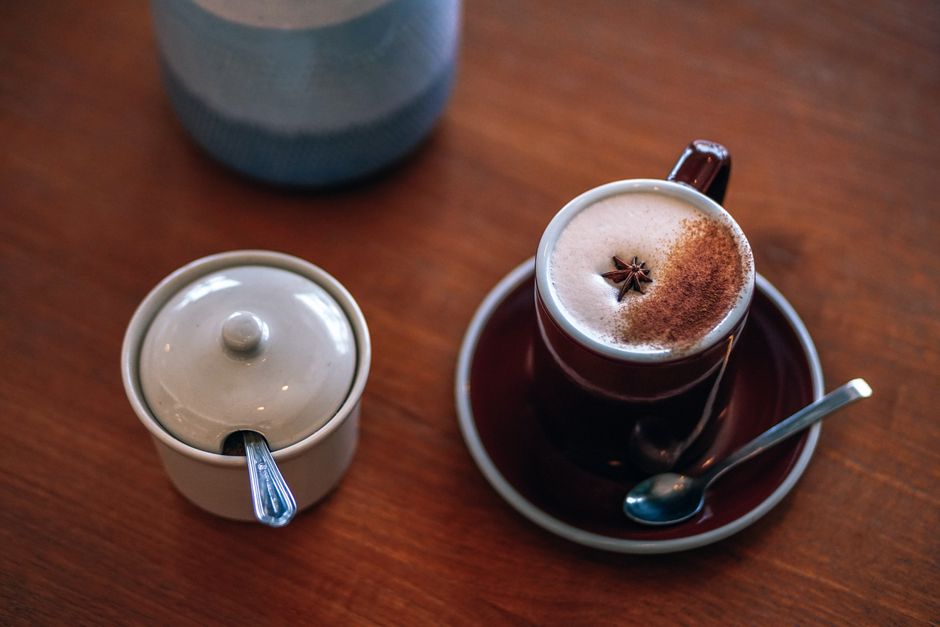
A chai tea latte can be a reasonable choice, but it depends entirely on how it is made. A traditional preparation with black tea, milk, and spices offers real benefits, while many café versions contain enough added sugar to resemble a dessert more than a beverage. The difference between a healthy drink and a sugar bomb comes down to a few simple choices you control.
What Is Actually in a Chai Tea Latte?
A true chai tea latte starts with black tea brewed strong. The tea is mixed with milk and a blend of spices, most commonly cinnamon, cardamom, ginger, cloves, and black pepper. The word “chai” simply means tea in Hindi, so “chai tea” literally means “tea tea.”
The latte version you order at a coffee shop typically combines a concentrated chai syrup or powder with steamed milk. That syrup is where the nutritional profile changes dramatically. Many commercial chai concentrates list sugar as the first or second ingredient, meaning the drink can carry 30 to 50 grams of sugar in a standard 16-ounce serving.
For reference, the American Heart Association recommends no more than 36 grams of added sugar per day for men and 25 grams for women. A single large chai latte can exceed that entire daily limit.
Is A Chai Tea Latte Good For You Compared to Other Coffee Drinks?
Compared to a flavored mocha or a caramel frappuccino, a chai tea latte is often the better pick. It has less sugar than many blended coffee drinks and provides the benefits of black tea and spices. But compared to plain coffee or unsweetened tea, it is not a neutral choice.
A typical 16-ounce chai tea latte made with syrup contains roughly 240 to 350 calories. Most of those calories come from sugar and whole milk. A plain black coffee has essentially zero calories. An unsweetened tea with a splash of milk has around 30 to 50 calories.
The key distinction is that a chai latte is a treat, not a health drink. It can fit into a balanced diet, but it should not replace your daily hydration or your plain tea consumption.
What Are the Health Benefits of Chai Spices and Black Tea?
Black tea is one of the most studied beverages in the world. It contains polyphenols, specifically theaflavins and thearubigins, which act as antioxidants in the body. Research consistently shows that regular black tea consumption is associated with improved heart health markers, including better cholesterol profiles and blood pressure regulation.
The spices in chai also carry genuine research-backed properties. Cinnamon has been shown in multiple studies to modestly improve fasting blood sugar levels in people with type 2 diabetes. Ginger has documented anti-inflammatory effects and is well established for reducing nausea. Cardamom and black pepper both support digestion through well-understood mechanisms.
One study published in the Journal of the American College of Nutrition found that a specific blend of cinnamon, cardamom, and ginger improved antioxidant status and reduced inflammatory markers in adults with overweight. That said, the amount of spice in a typical café chai latte is small. The syrup often contains more flavoring agents than actual ground spice.
To get meaningful amounts of these beneficial compounds, you would need a chai made from brewed tea and added whole spices, not a syrup-based drink. This is an important distinction that most people do not realize.





How Much Sugar Is in a Typical Chai Tea Latte?
Sugar content varies widely by brand and preparation method. A homemade chai with unsweetened tea, milk, and spices contains only the natural sugars from milk, which is about 12 grams per cup of dairy milk. No added sugar at all.
A café chai tea latte made from a standard syrup concentrate typically contains 30 to 50 grams of sugar in a 16-ounce serving. Some chains offer “skinny” versions using sugar-free syrup, which drops the sugar to near zero but introduces artificial sweeteners instead.
Here is a rough comparison of what you are actually drinking:
- Homemade chai with whole spices and 2% milk: 12 grams of natural milk sugar, 0 added sugar, roughly 120 calories
- Café chai latte with standard syrup: 30-50 grams of added sugar, 240-350 calories
- Café chai latte with sugar-free syrup: 0 grams added sugar, 150-200 calories depending on milk choice
- Plain brewed chai tea with no milk: 0 grams sugar, 0 calories
If you order a chai latte and want to reduce sugar, ask for half the syrup pumps. Most baristas can do this without issue. You can also request almond or oat milk, which adds fewer calories than whole milk but does not meaningfully change the sugar picture unless the milk itself is sweetened.
Does Chai Tea Latte Contain Caffeine?
Yes. Black tea contains caffeine, and a standard chai latte has about 40 to 70 milligrams per 16-ounce serving. That is roughly half the caffeine of a similarly sized brewed coffee, which typically contains 150 to 200 milligrams.
For most healthy adults, up to 400 milligrams of caffeine per day is considered safe by the FDA. A chai latte will not push you anywhere near that limit unless you drink several in a day. If you are sensitive to caffeine or pregnant, the amount matters more. Most obstetric guidelines recommend limiting caffeine to 200 milligrams per day during pregnancy, so one chai latte fits within that limit.
One thing to note: the caffeine in chai is real and measurable. Some people believe the spices somehow neutralize the caffeine. They do not. The tea base provides the same stimulating effect as any other black tea.
Can Chai Tea Latte Help With Digestion?
Ginger and black pepper are both well-established digestive aids. Ginger accelerates gastric emptying, which means food moves out of the stomach faster. This is why ginger is a standard remedy for nausea and motion sickness. Black pepper stimulates the production of digestive enzymes and hydrochloric acid in the stomach.
Cardamom has been used in traditional medicine systems for centuries to relieve bloating and gas. Some modern research supports these traditional uses, though the evidence base is smaller than for ginger.
That said, the milk in a chai latte can counteract some of these benefits for people who are lactose intolerant. If you experience bloating or digestive discomfort after a chai latte, the dairy is the more likely culprit than the spices. Choosing a lactose-free milk or a plant-based alternative can help you get the digestive benefits of the spices without the discomfort.
Is Chai Tea Latte Good For Weight Loss?
No beverage alone causes weight loss, and a chai tea latte is not an exception. The drink itself is not a weight loss tool. However, it can be a better choice than many alternatives if you are watching your weight.
A 16-ounce chai latte with standard syrup contains roughly 300 calories. If you drink one daily, that adds up to over 2,000 calories per week. Swapping to a small size with half syrup and skim milk drops that to around 100 to 120 calories per serving.
The spices in chai, particularly cinnamon, have been studied for their effects on blood sugar regulation. Some research suggests cinnamon can improve insulin sensitivity, which theoretically supports weight management. But the effect is modest, and no credible study has shown that drinking chai tea lattes leads to weight loss.
If weight management is your goal, the practical advice is simple: treat chai as a small indulgence, not a daily habit. Make it yourself at home with unsweetened tea and spices for a version that supports your goals rather than working against them.
How to Make a Healthier Chai Tea Latte at Home
Making chai at home gives you full control over ingredients. The process takes about 10 minutes and requires no special equipment.
Start with one black tea bag or one tablespoon of loose leaf black tea. Add a cinnamon stick, three or four cardamom pods, a slice of fresh ginger, and two cloves to a small pot with one cup of water. Bring to a simmer for five minutes. Add one cup of milk of your choice and bring back to a simmer. Strain and sweeten only if needed.
This version contains zero added sugar unless you add it yourself. It has all the beneficial compounds from the spices and the tea. You can make a large batch and refrigerate it for up to three days, reheating individual servings as needed.
If you prefer the convenience of a café, order a small size, request half the syrup pumps, and choose a milk that fits your dietary needs. These small changes cut the sugar and calories substantially without sacrificing the flavor profile you enjoy.
Are There Any Risks or Side Effects?
For most people, chai tea latte is safe. The main concerns are sugar intake, caffeine sensitivity, and dairy intolerance. None of these are unique to chai.
People with gastroesophageal reflux disease, or GERD, may find that the combination of caffeine, spices, and milk triggers symptoms. Black pepper and ginger can relax the lower esophageal sphincter, allowing stomach acid to flow upward. If you have reflux, a chai latte may cause heartburn.
Pregnant women should monitor caffeine intake, but one chai latte per day fits within standard guidelines. Anyone with a diagnosed medical condition should discuss dietary changes with their healthcare provider, but chai tea latte is not considered a high-risk beverage in any established clinical guidance.
Frequently Asked Questions
Is a chai tea latte high in sugar?
It depends on how it is made. A café chai latte with standard syrup contains 30 to 50 grams of added sugar, while a homemade version with unsweetened tea and spices contains only the natural sugar from milk.
Is chai tea latte healthier than coffee?
It depends on what you compare it to. Chai has less caffeine than coffee and offers beneficial tea polyphenols and spices, but a sweetened chai latte has far more sugar and calories than plain black coffee.
Can I drink chai tea latte every day?
You can, but the sugar content matters. A daily 16-ounce sweetened café chai adds over 2,000 calories per week, while a homemade unsweetened version is a reasonable daily choice for most healthy adults.
Does chai tea latte have more caffeine than coffee?
No. A 16-ounce chai latte contains about 40 to 70 milligrams of caffeine, while a similarly sized brewed coffee contains roughly 150 to 200 milligrams.
