
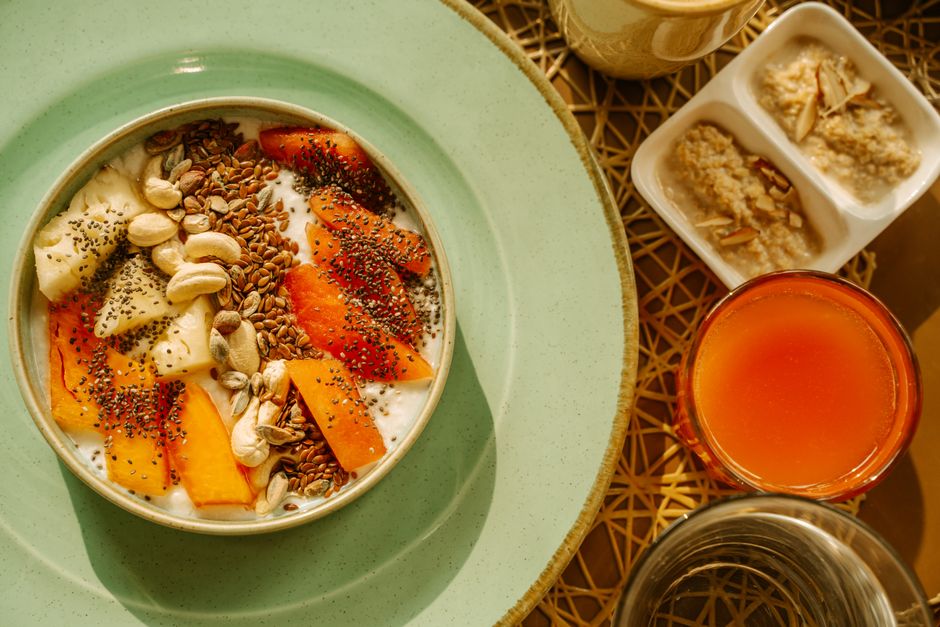
Yes, a cashew is a fruit. More specifically, it is the seed of the cashew apple, which is the true fruit of the cashew tree. The part we eat is the kidney-shaped nut that grows outside the fruit. This makes the cashew a seed from a botanical standpoint, but in the kitchen and grocery store, it is treated as a nut. The confusion happens because the cashew “nut” is not the whole fruit. It is the hard shell surrounding the seed that we crack open and eat. Understanding this distinction helps clear up a lot of the mixed information you see online.
What Part of the Plant Is the Cashew?
The cashew tree produces a fleshy, pear-shaped structure called the cashew apple. This is the true fruit botanically. It is juicy, sweet, and can be eaten fresh or made into juice. At the bottom of this apple grows a hard, kidney-shaped shell. Inside that shell is the seed—the cashew nut we eat.
So the cashew nut is technically a seed inside a fruit. The cashew apple is the fruit. The nut is the seed. The entire structure is the fruit of the tree. This is similar to how a mango has a pit inside. The pit is the seed, and the fleshy part is the fruit. With cashews, the fleshy part is the apple, and the hard shell contains the seed.
The confusion comes from how we use the word “nut” in everyday language. In cooking, a nut is any large, oily seed. Botanically, a true nut is a hard-shelled fruit that does not split open to release its seed. A cashew seed does not fit that definition because it grows outside the fruit and has a double shell.
Is a Cashew Considered a Nut or a Seed?
Botanically, a cashew is a seed. It is the seed of the cashew apple. But in nutrition and cooking, it is called a tree nut. This is why you see cashews listed alongside almonds and walnuts on allergy warning labels. The FDA classifies cashews as tree nuts for food labeling purposes.
The distinction matters for people with allergies. Cashew allergies are real and can be severe. They are not the same as peanut allergies, but they are grouped with other tree nuts. If you have a tree nut allergy, you should avoid cashews unless your doctor says otherwise.
From a botanical perspective, the cashew seed is not a true nut. True nuts include acorns, chestnuts, and hazelnuts. They are hard-shelled fruits that do not open on their own. Cashew seeds grow outside the fruit and have a double shell that is toxic until processed. That is a very different structure.
How Is a Cashew Processed Before We Eat It?
This is where the real story gets interesting. The raw cashew seed you buy at the store is not truly raw. It has been heat-treated to remove a toxic substance. The cashew shell contains anacardic acid, which is the same chemical found in poison ivy. It causes skin irritation and blistering.
Workers who shell cashews by hand wear gloves and use special tools. The shells are cracked open, and the seed inside is roasted or steamed to destroy the toxic resin. This is why you never see cashews sold in the shell. It is not safe to handle them that way.
The processing steps are:
- Harvesting the cashew apples with the nuts attached
- Separating the nut from the apple
- Drying the nuts to reduce moisture
- Cracking the hard outer shell
- Removing the inner skin (testa) from the seed
- Roasting or steaming to remove residual toxins
- Grading and packaging
This processing is why cashews are more expensive than peanuts. It is labor-intensive and requires careful handling. The cashew apple itself is also used in some countries to make juice, wine, and vinegar. But it spoils quickly, so it rarely makes it to international markets.



What Does Research Show About Cashew Nutrition?
Cashews are nutrient-dense. A one-ounce serving (about 18 cashews) contains roughly 157 calories, 12 grams of fat, 9 grams of carbohydrates, and 5 grams of protein. Most of the fat is unsaturated, which is the heart-healthy kind.
Research published in the Journal of Nutrition found that eating cashews regularly may help lower LDL cholesterol. The study showed that people who ate cashews daily for four weeks had a significant drop in their “bad” cholesterol compared to those who ate no nuts. The effect was modest but consistent.
Cashews are also a good source of copper, magnesium, and zinc. Copper is important for energy production and brain function. Magnesium supports muscle and nerve function. Zinc helps with immune health. The American Heart Association includes cashews in its list of heart-healthy foods when eaten in moderation.
One thing to watch out for is portion size. Cashews are calorie-dense. Eating them by the handful can add up quickly. Stick to a quarter-cup serving to get the benefits without the extra calories.
What Are the Common Misconceptions About Cashews?
Several myths about cashews persist online. Let me clear a few up.
Myth: Cashews are high in oxalates and cause kidney stones. This is partially true but overstated. Cashews contain oxalates, but so do spinach, almonds, and chocolate. For most people, moderate intake is not a problem. Only those with a history of calcium oxalate kidney stones need to limit high-oxalate foods. The National Kidney Foundation says that for most people, the benefits of nuts outweigh the risks.
Myth: Cashews are not real nuts. Botanically, they are seeds. But in the kitchen, they are nuts. This is a semantic debate, not a health issue. Call them what you like, but know the science.
Myth: Raw cashews are healthier than roasted cashews. This is not accurate. “Raw” cashews at the store have already been steamed or roasted to remove toxins. Truly raw cashews straight from the tree are unsafe to eat. The roasting process does reduce some antioxidants, but the difference is small. Both forms are healthy.
Myth: Cashews make you gain weight. Studies show that nut eaters tend to have lower body weight than non-nut eaters. The fiber and protein in cashews help you feel full. Weight gain only happens if you eat them in large amounts beyond your calorie needs.
How Do Cashews Compare to Other Nuts?
A quick comparison table shows how cashews stack up against almonds and walnuts per one-ounce serving.
| Nut | Calories | Fat | Protein | Fiber | Key Mineral |
|---|---|---|---|---|---|
| Cashews | 157 | 12g | 5g | 1g | Copper |
| Almonds | 164 | 14g | 6g | 3.5g | Vitamin E |
| Walnuts | 185 | 18g | 4g | 2g | Omega-3s |
Cashews have less fiber than almonds and fewer omega-3s than walnuts. But they are lower in calories than walnuts and have a creamy texture that works well in sauces and dairy-free recipes. They are also one of the best sources of copper, which is important for collagen production and iron absorption.
If you are looking for a nut that is versatile in cooking, cashews are hard to beat. They blend into smooth sauces, make excellent nut milk, and add a buttery flavor to stir-fries. Just remember they are not the highest in fiber, so pair them with vegetables or whole grains for a balanced snack.
Frequently Asked Questions
Is a cashew a fruit or a vegetable?
A cashew is a fruit. The cashew apple is the fruit, and the nut is the seed inside a hard shell that grows on the outside of that fruit.
Can you eat a cashew straight from the tree?
No. The raw cashew contains a toxic resin that can cause skin burns and digestive problems. It must be steamed or roasted first to be safe.
Why are cashews so expensive?
Cashews are expensive because they require labor-intensive processing. The shells are hard to crack and contain a toxic substance, so each nut must be handled carefully by hand or with specialized machines.
Are cashews good for weight loss?
Yes, in moderation. Cashews are high in protein and fiber, which help you feel full. Eating a small handful as a snack can prevent overeating later. But they are calorie-dense, so portion control matters.
