
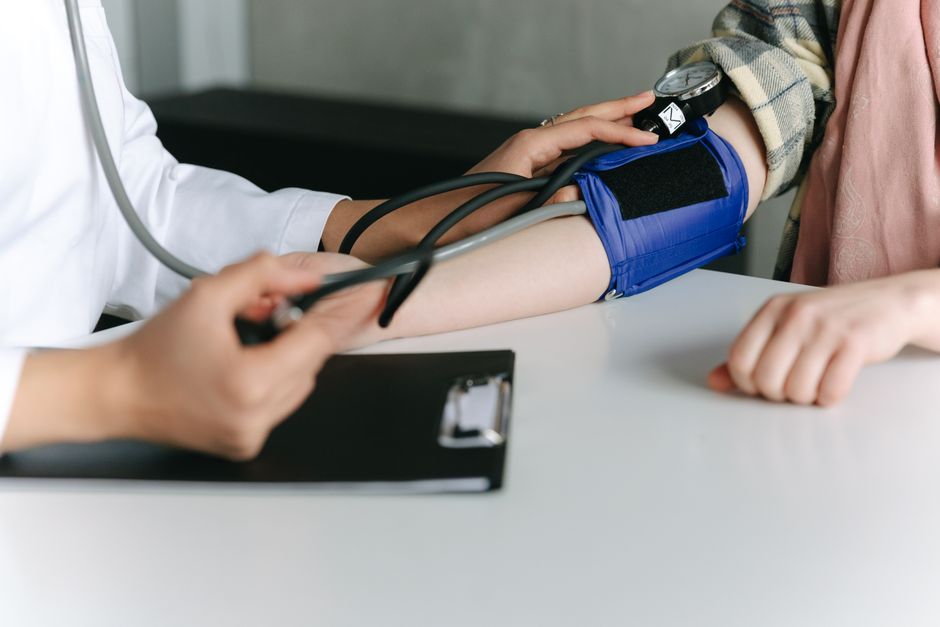
A blood pressure reading of 101 is not a single number that means one thing. It is the top number, called systolic pressure, and on its own it tells only part of the story. For most adults, a systolic reading of 101 falls within or just below the normal range. Whether it is a concern depends almost entirely on the second number, your usual blood pressure, and how you feel.
What Do The Two Blood Pressure Numbers Actually Mean?
Blood pressure is written as two numbers. The top number is systolic pressure. That is the force in your arteries when your heart contracts and pushes blood out. The bottom number is diastolic pressure, the pressure that remains when your heart relaxes between beats.
A reading of 101 is almost always the systolic number. Standard blood pressure categories in the United States define normal as systolic below 120 and diastolic below 80. Elevated blood pressure begins at a systolic of 120 to 129 with a diastolic still under 80. Stage 1 hypertension starts at 130/80 or higher.
By those definitions, a systolic of 101 sits comfortably inside the normal range. It is not high. The real question is whether it is too low for you.
Is A Blood Pressure Of 101 Normal Or Too Low?
For most healthy adults, a blood pressure around 101 over something in the 60s or 70s is normal and not a cause for concern. The body regulates blood pressure within a range, and that range varies from person to person.
What matters more than the number itself is how it compares to your usual reading and whether you have symptoms. A person who normally runs 115/75 and suddenly drops to 101/65 may feel lightheaded. A person who has run 100/65 their whole adult life and feels fine is not in danger.
There is no universal cutoff that defines low blood pressure, or hypotension, by number alone. Clinicians generally consider blood pressure too low when it causes symptoms or when it drops suddenly, not when it sits at a particular figure on the dial.
One clarification worth making: a single low reading taken at home is often less meaningful than a pattern. Blood pressure shifts throughout the day. It is usually lowest at night during sleep and rises in the morning. Stress, temperature, hydration, and even the position of your arm can move the number.
When Does Low Blood Pressure Become A Real Problem?
Low blood pressure becomes a medical concern when it is not supplying enough blood to your brain and organs. That is a function of symptoms, not just numbers.
Signs that a reading may be too low for you include:
- Dizziness or lightheadedness, especially when standing up
- Fainting or near-fainting
- Blurred or fading vision
- Fatigue that is unusual for you
- Nausea
- Difficulty concentrating
- Cold, clammy, or pale skin
A sudden drop in blood pressure with confusion, rapid breathing, or a weak pulse is a medical emergency. That combination can signal shock, which requires immediate care.
For many people, though, a low-normal reading with no symptoms is simply their baseline. It does not need treatment.

What Causes Blood Pressure To Drop Below Your Normal?
Several common situations can lower blood pressure. Dehydration is one of the most frequent. When you lose more fluid than you take in, blood volume falls and pressure drops with it.
Standing up quickly can cause a temporary drop called orthostatic hypotension. Gravity pulls blood into your legs, and if your body does not adjust fast enough, you feel dizzy for a moment. This becomes more common with age.
Other causes include:
- Some medications, including certain blood pressure drugs, diuretics, and some antidepressants
- Prolonged bed rest
- Pregnancy, because blood vessels widen and blood volume changes
- Heavy meals, since blood shifts to the digestive tract
- Heart conditions that affect how well the heart pumps
- Endocrine problems such as thyroid or adrenal disorders
- Severe infection
- Blood loss
If your pressure has dropped and you cannot explain why, that is worth a conversation with a clinician. Some of these causes are minor. A few are serious.
Does A Low-Normal Reading Protect Your Heart?
A blood pressure in the low-normal range is generally associated with lower cardiovascular risk than high blood pressure. That relationship is well established. High blood pressure damages arteries over time and raises the risk of heart attack, stroke, and kidney disease.
But lower is not always better without limit. The evidence does not support the idea that pushing blood pressure as low as possible is beneficial for everyone. What counts as an optimal target depends on age, existing conditions, and other health factors. That is a decision for a clinician, not a general rule.
It is also worth separating a naturally low reading from one caused by a problem. A healthy person who runs 101/68 is in a different situation than someone whose pressure dropped because of dehydration or a medication interaction.
How Should You Measure Blood Pressure At Home?
Getting an accurate reading matters more than most people realize. Technique changes the number.
Sit quietly for about five minutes before measuring. Keep your feet flat on the floor and your back supported. Rest your arm on a table so the cuff is at roughly heart level. Do not talk during the reading. Take two or three measurements about a minute apart and average them.
Measure at the same times each day, often morning and evening, so you can see a pattern rather than isolated numbers. Avoid caffeine, exercise, and smoking for at least 30 minutes beforehand, since all of these can temporarily raise pressure.
A home monitor can be less accurate than the equipment in a clinic, so bring your device to a medical visit to check it against a professional reading if you can. This is a practical step some clinicians recommend to confirm your monitor is giving you reliable numbers.
When Should You Talk To A Clinician About A Reading Of 101?
If you feel well and a reading of 101 is close to your usual number, there is generally nothing to act on. Bring it up at your next routine visit so it is part of your record.
You should seek medical advice sooner if:
- You have symptoms like dizziness, fainting, or confusion
- Your pressure has dropped suddenly from your normal
- You recently started or changed a medication
- You are pregnant or recently gave birth
- You have a condition such as heart disease or diabetes
- You cannot keep fluids down or have signs of dehydration
Do not stop or change any prescribed medication on your own based on a single reading. Some blood pressure medicines are taken for reasons beyond pressure control, and stopping them suddenly can cause problems.
Does A Low Reading Mean You Should Eat More Salt?
This is a common piece of advice, and it deserves a careful answer. Adding salt is sometimes used in specific clinical situations, but it is not a general fix for a low-normal reading.
For most people, a reading of 101 without symptoms does not call for dietary changes. Increasing salt intake on your own can raise blood pressure and carries its own risks, particularly for people with heart or kidney conditions. If a clinician has told you to increase salt for a diagnosed reason, follow that guidance. Otherwise, the evidence does not support it as a self-treatment.
The same caution applies to caffeine, which can briefly raise blood pressure but is not a reliable or recommended way to manage a low reading.
Frequently Asked Questions
Is a blood pressure of 101 over 65 normal?
Yes, a reading of 101/65 falls within the normal range for most adults because normal is defined as systolic below 120 and diastolic below 80. Whether it is normal for you depends on your usual readings and whether you have symptoms.
Can a blood pressure of 101 make you feel dizzy?
A reading of 101 can cause dizziness in some people, especially if it is lower than their usual pressure or if it drops when they stand. If you feel dizzy, lightheaded, or faint, that is a sign to have it checked rather than ignore.
Is 101 too low for an older adult?
For older adults, a systolic reading of 101 may be lower than ideal, particularly if it causes dizziness or falls. Blood pressure targets in older adults are usually set by a clinician based on overall health, so this is worth discussing at a medical visit.
Should I go to the hospital for a blood pressure of 101?
A blood pressure of 101 by itself is not an emergency and does not require a hospital visit. Seek emergency care only if the low reading comes with fainting, confusion, rapid breathing, a weak pulse, or other signs of shock.
