
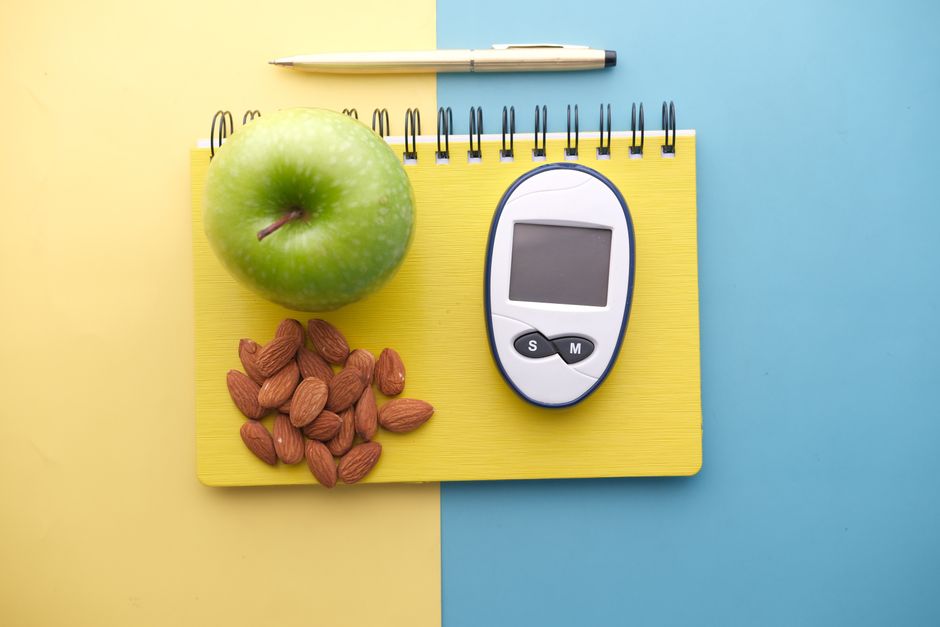
A banana can raise low blood sugar, but it is not the fastest option. The sugar in a banana has to be digested before it reaches your bloodstream, and that takes time. For a true low — what doctors call hypoglycemia — current clinical guidance favors fast-acting glucose, not fruit.
That answer surprises many people. Bananas have a reputation as a health food, and they are. But “healthy” and “fast-acting” are not the same thing. If your blood sugar is dropping and you feel shaky, sweaty, or confused, the priority is speed, not nutrition.
What Counts as Low Blood Sugar?
Hypoglycemia has a specific definition. In most clinical guidelines, it means a blood glucose reading below 70 mg/dL. That number applies to people monitoring their own glucose, especially those using insulin or certain diabetes medications.
Low blood sugar is not the same as feeling hungry or tired. It is a measurable state, and it matters most for people whose bodies cannot correct it on their own. The people at highest risk are those taking insulin, people on sulfonylureas, and anyone whose medication forces glucose down regardless of what the body needs.
For someone without diabetes, true hypoglycemia is uncommon. Feeling shaky after skipping lunch is usually not hypoglycemia in the clinical sense. It may be hunger, stress, or caffeine — but it is rarely a blood sugar emergency.
Symptoms tend to appear in a rough order as glucose falls:
- Shakiness, sweating, and a racing heart
- Hunger, irritability, and trouble concentrating
- Confusion, slurred speech, and blurred vision
- In severe cases, seizure or loss of consciousness
The earlier symptoms are your warning system. Once confusion sets in, you may not be able to treat yourself safely.
Is a Banana Good for Low Blood Sugar? What to Know
A banana will raise blood sugar, but it is slower than the treatments clinical guidelines recommend. The reason comes down to how the body absorbs different kinds of sugar.
A banana contains a mix of sugars — glucose, fructose, and sucrose — along with fiber and starch. Fiber and starch slow digestion. That is normally a good thing, because it keeps blood sugar steadier. But when you are trying to bring glucose up quickly, slow digestion works against you.
Fast-acting glucose, by contrast, is absorbed within minutes. That is why glucose tablets, glucose gel, and regular sugary drinks are the standard first-line treatment for a low. They are not “better” foods. They are simply faster.
There is also a practical problem with bananas when you are low. If your hands are shaking and your thinking is foggy, peeling and eating a whole banana takes time and coordination. A glucose tablet does not.
None of this makes bananas bad. It makes them the wrong tool for an urgent job.
How Fast Does a Banana Raise Blood Sugar?
A banana raises blood sugar more slowly than pure glucose, and how slowly depends on the banana. Ripeness matters. A green banana contains more resistant starch, which digests slowly and has less impact on blood sugar. A very ripe, spotted banana contains more free sugars, so it raises glucose faster.
Even a ripe banana, though, is not as fast as glucose. The exact timing varies from person to person. It depends on how fast your stomach empties, what else you have eaten, and your own metabolism. No single number applies to everyone, and it is not accurate to promise a specific time frame.
What is well established is the direction: bananas raise blood sugar, and they do so more gradually than concentrated glucose. For a mild dip, that may be fine. For a true low, gradual is not good enough.
What Should You Actually Use to Treat a Low?
Clinical guidance is consistent here. Treat a low with about 15 grams of fast-acting carbohydrate, wait around 15 minutes, and recheck. If glucose is still below 70 mg/dL, repeat. This is the standard approach taught to people with diabetes and used in clinical settings.
Fast-acting options include:
- Glucose tablets or glucose gel (the most predictable and portable)
- About 4 ounces of regular soda or fruit juice
- Several hard candies or a tablespoon of sugar or honey
These are not the only options, but they are the ones with the clearest evidence for speed. The 15-gram figure comes from established clinical practice and is widely used, though individual needs vary — children, for example, generally need less. If you manage a child’s diabetes, follow the plan their care team gave you rather than applying adult numbers.
After glucose comes back up, eating something with protein, fat, or complex carbohydrate can help keep it stable. This is where a banana fits. It is a reasonable follow-up food, not a rescue food.
Where Bananas Fit in Blood Sugar Management
Bananas are a legitimate part of a balanced diet for most people, including many with diabetes. They provide potassium, vitamin B6, vitamin C, and fiber. A medium banana contains roughly 27 grams of carbohydrate, which is a meaningful amount for anyone counting carbs.
For day-to-day eating, the goal is usually steady blood sugar, not fast spikes. Here, a banana’s slower digestion is an advantage. Paired with protein or fat — like peanut butter or yogurt — it tends to have a gentler effect on glucose than eaten alone.
Ripeness is worth noting. If you monitor your glucose, you may notice a greener banana affects your readings less than a very ripe one. That difference is real and rooted in how starch and sugar change as fruit ripens.
When a Banana Is the Wrong Choice
If you have diabetes and take insulin or a sulfonylurea, a banana is not an appropriate treatment for an active low. Use fast-acting glucose first. Reach for the banana later, once your reading is back in range.
There is a second situation worth naming. If you are low but unable to swallow safely — because of confusion or a seizure — do not try to feed anyone anything by mouth. This is a choking risk. Severe hypoglycemia is a medical emergency. In that situation, call for emergency help. Some people carry a prescription glucagon product for exactly this scenario, and it is designed to be used when swallowing is not safe.
For everyone else — people without diabetes who feel shaky after missing a meal — the answer is usually simpler. Eat something. A banana is fine. You are not treating a clinical emergency, and the speed difference does not matter much.
The Bottom Line
A banana raises blood sugar, but slowly. For a mild dip, that is acceptable. For a true low below 70 mg/dL, clinical guidance points to fast-acting glucose instead, because speed is what matters. Keep bananas in your diet. Just do not count on one to fix a low in a hurry.
Frequently Asked Questions
Can a banana bring up low blood sugar?
Yes, a banana will raise blood sugar because it contains glucose, fructose, and sucrose. However, its fiber and starch slow absorption, so it works more slowly than glucose tablets or juice.
How many grams of carbs are in a banana?
A medium banana contains roughly 27 grams of carbohydrate, based on USDA nutritional data. That is more than the 15 grams typically used to treat a low.
What is the fastest way to raise low blood sugar?
Fast-acting glucose — such as glucose tablets, glucose gel, or a sugary drink — is the standard first-line treatment because it is absorbed within minutes. Clinical guidance generally recommends about 15 grams, then rechecking after roughly 15 minutes.
Is a banana good for low blood sugar at night?
A banana is a reasonable snack before bed if your goal is steady glucose, especially paired with protein or fat. It is not a good choice for treating an active low, because it acts too slowly.
