
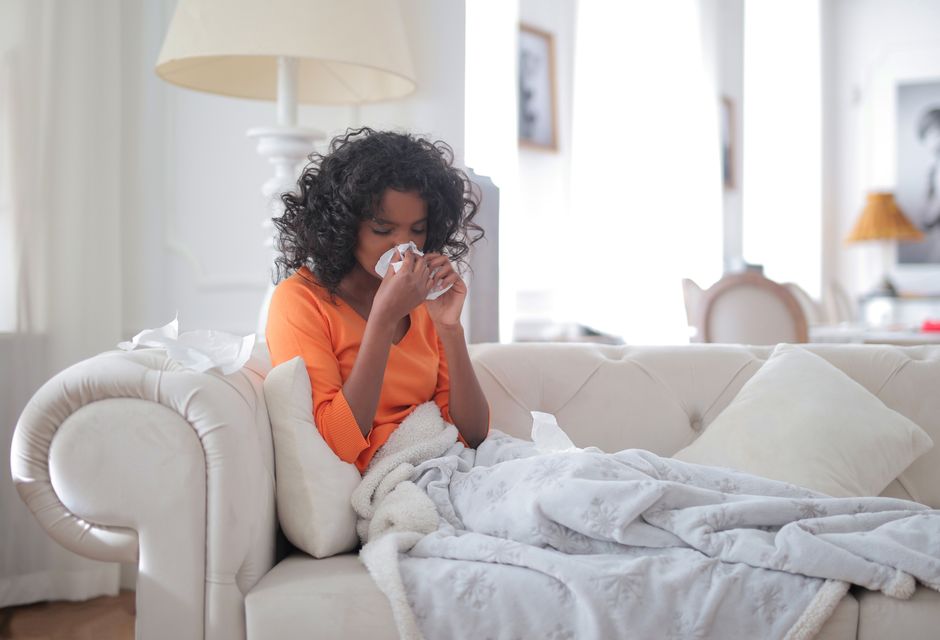
54 degrees Fahrenheit is cool, not cold. For most healthy adults, it is a temperature that requires a light jacket or long sleeves, but it is not dangerous. It sits in the range where you feel a distinct chill in the air, especially in the shade or with a breeze, but it is far from freezing.
Is 54 Degrees Cold?
Yes, 54 degrees feels cold to most people, but it is not a cold-weather hazard. The average human resting body temperature is around 98.6°F. A 44-degree difference means your body loses heat to the air faster than it can easily replace it without clothing. That is why 54 degrees feels brisk and uncomfortable for many, despite being well above freezing.
The real question is not whether the number is cold, but whether it is cold for you. Your age, activity level, clothing, and local climate all change how this temperature feels on your skin.
Why 54 Degrees Feels Different to Everyone
Your perception of temperature is not just about the thermometer. It is about how fast your body loses heat. Wind, humidity, and sunlight all play a role. A sunny, calm 54-degree afternoon can feel pleasant. The same temperature on a cloudy, windy morning can feel genuinely cold.
This is why meteorologists use the wind chill index. If the air is 54°F and the wind is blowing at 15 mph, it can feel closer to 40°F on exposed skin. That is a significant difference in comfort.
Acclimatization matters too. If you live in Florida, 54 degrees might feel like a cold snap. If you live in Minnesota in November, 54 degrees might feel like a warm break from winter. Your body adjusts over weeks and months to the temperatures you experience regularly.
Is 54 Degrees Cold for Sleeping?
For most people, 54 degrees is too cold for comfortable sleep without extra bedding. The ideal sleeping temperature for most adults falls between 60 and 67 degrees Fahrenheit. At 54 degrees, your body has to work harder to maintain its core temperature while you sleep.
Your core temperature naturally drops slightly during sleep. If the room is too cold, you may shiver, which disrupts rest. If you sleep at 54 degrees, you need a warm blanket, a heavier comforter, or fleece pajamas to stay comfortable.
For infants, the guidance is different. Overheating is a known risk factor for Sudden Infant Death Syndrome (SIDS). A room at 68-72°F is generally recommended for infants. A 54-degree room is too cold for a baby without significant warm clothing, and heavy blankets are not safe for infants under one year.




Is 54 Degrees Cold for Outdoor Exercise?
54 degrees is actually a good temperature for vigorous exercise. When you run, cycle, or hike, your body generates significant internal heat. Many runners find 50-60 degrees to be ideal racing conditions because it prevents overheating.
The key is what you wear. You will feel cold for the first few minutes of exercise at 54 degrees. Once your heart rate rises and blood flow increases, you will warm up quickly. Dress for the temperature you will feel after 10 minutes of activity, not the temperature when you step outside.
A light long-sleeve shirt and a thin jacket that you can remove are often enough. For cycling, where wind chill is stronger, you may need an extra layer and gloves. For walking at a casual pace, you will likely need a warmer jacket because you are not generating as much heat.
What to Wear in 54 Degree Weather
Layering is the most practical approach at 54 degrees. A base layer of cotton or a synthetic fabric, topped with a light sweater or fleece, gives you flexibility. Add a windbreaker if it is breezy.
Pay attention to exposed skin. Your hands, ears, and neck lose heat quickly. A light jacket with a collar, thin gloves, or a beanie can make a significant difference in comfort. If you feel cold in your torso, your body will reduce blood flow to your extremities to protect your core. That is why warm hands often start with a warm chest.
For most people, 54 degrees does not require heavy winter gear. A down parka or thick insulated coat will likely make you sweat if you are active. The goal is to trap a thin layer of warm air against your skin, not to wear maximum insulation.
Is 54 Degrees Cold for a House?
54 degrees inside a home is colder than recommended for most people. The World Health Organization has suggested that indoor temperatures above 64 degrees are safe for healthy adults. For older adults, infants, or people with chronic illnesses, a warmer indoor temperature is advisable.
Energy conservation programs often suggest keeping thermostats at 68°F in winter when you are awake and lower when you are asleep or away. Setting a thermostat to 54 degrees is generally reserved for preventing pipes from freezing when no one is home. For occupied living spaces, 54 degrees is uncomfortable and potentially risky for vulnerable people.
Prolonged exposure to indoor temperatures below 60 degrees can increase the risk of hypothermia, especially in older adults. Hypothermia can occur at temperatures well above freezing, particularly if someone is inactive, underdressed, or has poor circulation.
When 54 Degrees Becomes a Health Risk
For healthy adults, 54 degrees is not dangerous if you are dressed appropriately and active. The risk rises when you are wet, inactive, or exposed for long periods. Cold stress occurs when your body loses heat faster than it can produce it.
Shivering is your body’s first defense. It generates heat through muscle activity. If shivering stops, that is a warning sign, not a sign of warming up. Stopped shivering can mean your body is conserving energy and core temperature is dropping.
Older adults are more vulnerable to cold because they often have reduced muscle mass, slower metabolism, and less effective circulation. Some medications can also impair temperature regulation. Infants lose heat faster than adults because they have a higher surface-area-to-body-mass ratio.
Signs of mild hypothermia include confusion, drowsiness, slurred speech, and loss of fine motor coordination. If you or someone else shows these signs in a 54-degree environment, get inside and warm up immediately.
Frequently Asked Questions
Is 54 degrees too cold to sleep outside?
Yes, 54 degrees is too cold for most people to sleep outside without proper cold-weather camping gear. A regular sleeping bag rated for summer temperatures will not keep you warm at 54 degrees overnight.
Should I turn on the heat when it is 54 degrees inside?
Yes, for most people, 54 degrees inside is uncomfortable and warrants heating if the home is occupied. Vulnerable individuals, including older adults and infants, should be in spaces warmer than 60 degrees.
Is 54 degrees cold for a dog to be outside?
Medium and large dogs with thick coats can tolerate 54 degrees for short periods, but small dogs, short-haired breeds, and puppies should not stay outside for long. No dog should be left outside in 54-degree weather for extended hours without shelter.
Is 54 degrees cold enough for a winter coat?
No, a heavy winter coat is usually too much insulation for 54 degrees, especially if you are active. A light jacket, fleece, or sweater is typically sufficient for most people at this temperature.
