
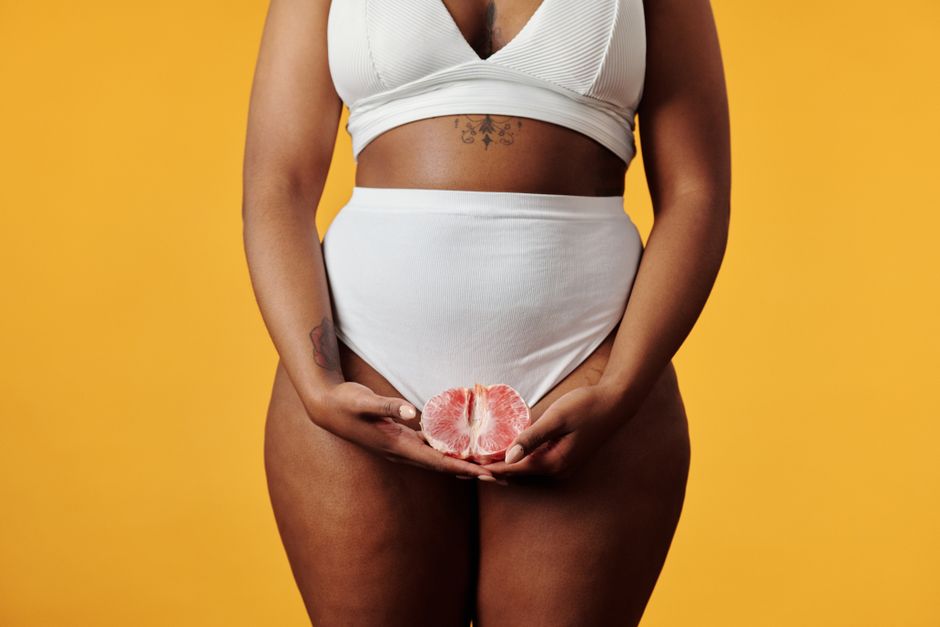
For most women, 23% body fat falls within the healthy range. It sits comfortably inside the fitness category — below average, above essential fat, and well clear of the obesity threshold. But whether 23% body fat is “good” for you depends on your age, your goals, and how you carry it.
Body fat percentage is one of the few numbers that shifts meaning depending on who’s standing on the scale. A 25-year-old athlete and a 55-year-old office worker can both measure 23% and have very different health profiles. Here’s what the number actually tells you.
What Is a Healthy Body Fat Percentage for a Woman?
Body fat percentage is the share of your total body weight that comes from fat tissue. The rest is lean mass — muscle, bone, organs, and water.
For adult women, the widely referenced categories look like this:
- Essential fat: 10–13%. The minimum needed for basic physiological function.
- Athletic: 14–20%. Typical of competitive athletes.
- Fitness: 21–24%. Considered healthy and lean.
- Average/acceptable: 25–31%. Still within a healthy range for many women.
- Obese: 32% and above.
These ranges come from the American Council on Exercise and similar fitness organizations. They are widely used but not clinical diagnostic criteria. There is no single official medical cutoff the way there is for BMI.
At 23%, you are squarely in the fitness category. That is a healthy place to be for most adult women.
Why Do Women Need More Body Fat Than Men?
Women carry roughly 8–10 percentage points more body fat than men at the same level of fitness. This is not a flaw. It is biology.
Essential fat for women starts around 10–13%. For men, it starts around 2–5%. The difference is driven mainly by reproductive physiology. Fat tissue produces and stores estrogen. It supports menstrual cycling, fertility, and bone health.
When body fat drops too low, the body treats it as a signal that conditions are not safe for reproduction. Menstrual cycles can stop. Bone density can decline. This is why very lean female athletes sometimes develop what clinicians call the female athlete triad — low energy availability, missed periods, and weakened bones.
At 23%, you are far from that zone. There is no physiological reason to worry about being too lean.
Does Age Change What Counts as Healthy?
Yes, and this is where 23% gets more interesting.
Body fat naturally increases with age in both sexes. Muscle mass tends to decline starting in the 30s, and fat redistributes toward the abdomen. A woman who measured 23% at 25 may measure 27% at 50 without changing her habits.
Some researchers have proposed age-adjusted body fat ranges. The general pattern is that slightly higher body fat is considered acceptable at older ages. For women over 60, some guidelines suggest up to 30–35% may still be reasonable, depending on overall health.
That does not mean 23% is unhealthy at 55. It means 23% at 55 is leaner than average for that age — which is generally fine, as long as it comes from a healthy lifestyle rather than illness or disordered eating.
Context matters more than the single number. A woman at 23% who lifts weights and eats well is in a different situation than a woman at 23% who lost weight unintentionally.
How Accurate Are Body Fat Measurements?
Less accurate than most people assume. This is worth understanding before you make decisions based on a single reading.
Common methods and their typical reliability:
- DEXA scan: Considered one of the most accurate. Also measures bone density and regional fat distribution. Still has a margin of error.
- Hydrostatic weighing: Accurate but impractical and rarely used outside research.
- Bod Pod (air displacement): Reasonably accurate for most people.
- Bioelectrical impedance (BIA): Common in home scales and gyms. Highly sensitive to hydration, food, and time of day. Can vary by several percentage points.
- Skinfold calipers: Accuracy depends heavily on the skill of the person measuring.
If your reading came from a smart scale, treat it as a rough estimate, not a precise figure. A 23% reading on a home device could reasonably be anywhere from 20% to 26% in reality.
For tracking trends over time, consistency matters more than absolute accuracy. Same method, same time of day, same conditions.
What Else Matters Besides the Number?
Body fat percentage tells you how much fat you carry. It does not tell you where that fat sits, how muscular you are, or how your metabolism is functioning.
Fat distribution matters. Visceral fat — the fat around your organs — is more strongly linked to metabolic disease than fat stored under the skin on your hips and thighs. Two women at 23% can have very different visceral fat levels.
Muscle mass matters. A woman at 23% body fat with good muscle mass has a different metabolic profile than a woman at 23% with low muscle mass. Muscle supports blood sugar regulation, bone density, and functional strength.
Cardiovascular fitness matters. Research consistently shows that cardiorespiratory fitness is a strong predictor of health outcomes — sometimes stronger than body composition alone.
Blood markers matter. Fasting glucose, blood pressure, cholesterol, and inflammatory markers give a fuller picture than body fat alone.
In other words, 23% is a useful data point. It is not a verdict on your health.
Is 23% Body Fat Good Enough to Stop Worrying About It?
If your goal is general health, 23% is a reasonable place to be. You do not need to chase a lower number for its own sake.
Going below roughly 20% offers diminishing returns for most women and increases the risk of hormonal disruption. Going below 14–16% can interfere with menstrual function in many women, though individual thresholds vary.
If your goal is athletic performance, the target depends on your sport. Some endurance and aesthetic sports reward lower body fat. Others, like powerlifting or sprinting, may not.
If your goal is long-term health, the more useful questions are:
- Are you strength training at least twice a week?
- Are you getting enough protein to maintain muscle?
- Is your sleep and stress load manageable?
- Are your blood markers in a healthy range?
These habits influence health more than the difference between 23% and 21%.
When Should You Talk to a Doctor?
Body fat percentage is not a routine clinical measurement. Most doctors use BMI, waist circumference, and blood work instead. That is because those measures have stronger evidence behind them for predicting disease risk.
Talk to a healthcare provider if:
- Your weight or body composition has changed significantly without explanation
- Your menstrual cycles have become irregular or stopped
- You are eating very little or exercising excessively to maintain your body fat
- You have signs of an eating disorder, including preoccupation with body fat numbers
- You have conditions like PCOS, thyroid disease, or diabetes that affect body composition
A single body fat reading rarely warrants medical concern on its own. Patterns and symptoms do.
Frequently Asked Questions
Is 23% body fat good for a woman?
Yes, 23% falls within the fitness category for adult women, which most organizations consider healthy. It is leaner than average but not so low that it risks hormonal problems.
Is 23% body fat too high for a woman?
No. The obesity threshold for women is generally cited at 32% and above. At 23%, you are well below that range.
What does 23% body fat look like on a woman?
Most women at 23% appear lean and fit, with visible muscle definition but not extreme vascularity or visible abs. Appearance varies widely based on height, muscle mass, and where you store fat.
Should I try to get below 23% body fat?
Only if you have a specific performance or aesthetic goal and can do it without disrupting your menstrual cycle or overall health. For general health, there is no clear benefit to going lower.
