
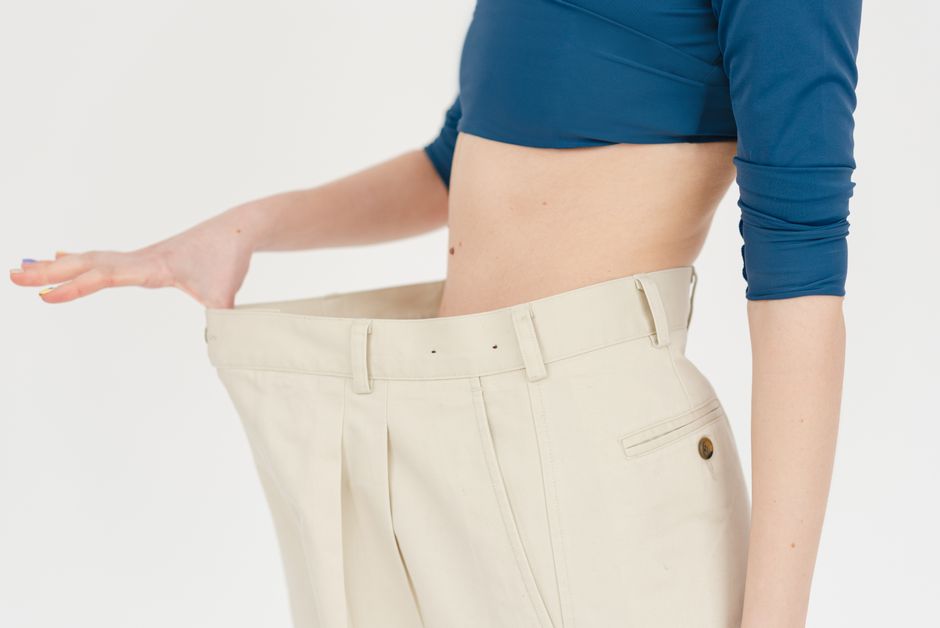
Losing 20 pounds is a significant change, and yes, it is noticeable to other people. Research on how we perceive weight changes shows that a loss of about 8 to 10 pounds on the face is typically where strangers first notice a difference, but a 20-pound loss is a clear shift in your overall body shape and size that friends, family, and coworkers will likely see.
How Much Weight Loss Do People Actually See?
A well-known study from the University of Toronto looked at this exact question. Researchers showed people photos of faces with different amounts of weight loss. They found that a loss of about 8.8 pounds (or 4 kilograms) on an average-weight woman was needed for someone to notice a change in the face. For men, the number was slightly higher.
But that is only for the face. Your body is larger than your face. The amount of weight loss needed for someone to notice your waist, hips, or chest is different. A 20-pound loss is well above the threshold for facial recognition. It is almost certainly enough to change how your clothes fit and how your silhouette looks.
The study also found that the starting weight matters. If you are a smaller person, a 20-pound loss is a larger percentage of your body weight. A 20-pound loss on a 130-pound person is about 15 percent of their body weight. That is a dramatic change. On a 250-pound person, it is 8 percent. Still noticeable, but less dramatic.
Where Do You Lose Weight First Matters
Not all 20-pound losses look the same. Where your body stores fat is largely determined by genetics and hormones. Some people lose weight evenly all over. Others lose it from their face and upper body first. Some lose it from their midsection last.
This means two people can both lose 20 pounds, and one may look significantly different while the other looks only slightly changed. If you lose weight from your stomach and waist, that is highly visible. If you lose it from your arms and legs, it may be less obvious under clothing.
The order in which you lose fat is not something you can control. Spot reduction — trying to lose fat from one specific area — is not supported by research. You cannot do 100 crunches and lose belly fat first. The body decides where to pull fat from, and it is different for everyone.
What the Research Says About Noticeable Weight Loss
Research published in the journal PLOS ONE confirmed that the “noticeability threshold” for weight loss is around 2 to 3 kilograms (4.4 to 6.6 pounds) on the face. That number is based on a person of average height and weight. For larger changes, the perception shifts.
A 20-pound loss is roughly 9 kilograms. That is well above the threshold for facial changes. But the same study noted that people are better at noticing weight loss on others than on themselves. You may not see the change in the mirror as clearly as your friends do.
This is called “body dysmorphia” in extreme cases, but it is common for anyone losing weight. Your brain takes time to update its mental image of your body. You may still see the old you in the mirror even when others see a new you. This is normal and usually resolves over a few months of maintaining the lower weight.





How Body Composition Changes the Visual Impact
The number on the scale is only part of the story. A 20-pound loss from fat looks very different from a 20-pound loss that includes significant muscle. Muscle is denser than fat. One pound of muscle takes up less space than one pound of fat.
If you lost 20 pounds through a calorie-restricted diet without exercise, you likely lost some muscle along with fat. Your clothes may fit looser, but your overall shape may not change as dramatically. If you lost 20 pounds through a combination of diet and strength training, you may have preserved muscle. This can result in a firmer, more toned appearance even at the same weight.
| Method of Weight Loss | Visual Impact of 20 Lbs Loss |
|---|---|
| Diet only (calorie restriction) | Moderate – clothes fit looser, some muscle loss possible |
| Diet + cardio exercise | Good – fat loss with some muscle preservation |
| Diet + strength training | Best – fat loss with muscle preservation, firmer appearance |
| Bariatric surgery or medical program | Variable – depends on nutrition and exercise habits |
The key insight is that weight loss is not just about the number. It is about what you lose. Preserving muscle during weight loss makes a 20-pound loss look more dramatic than losing the same amount of weight from muscle and fat combined.
Does 20 Lbs Weight Loss Noticeable Change Health Markers?
Yes, and this is where the research is very clear. A 20-pound weight loss can meaningfully improve several health markers, even if the visual change is subtle.
The Centers for Disease Control and Prevention reports that losing 5 to 10 percent of your body weight can reduce your risk for type 2 diabetes, heart disease, and high blood pressure. For a 200-pound person, 20 pounds is exactly 10 percent. That is the sweet spot where health benefits become measurable.
Research shows that losing 20 pounds can lower your systolic blood pressure by 5 to 10 points. It can reduce your fasting blood sugar. It can lower your triglycerides. These changes happen even if you do not notice the weight loss in the mirror.
The health benefits are not dependent on how noticeable the loss is. Your internal organs do not care about your appearance. They care about the reduction in fat around your liver, your pancreas, and your heart. A 20-pound loss reduces that visceral fat, and that is what improves your health outcomes.
What to Avoid When Trying to Lose 20 Pounds
There are many approaches to weight loss that promise fast results but do not deliver lasting change. Avoid any program that guarantees you will lose 20 pounds in two weeks. That is not safe, and it is not sustainable.
Crash diets that severely restrict calories cause rapid water loss and muscle loss, not fat loss. You may see the number drop quickly, but you will regain it just as fast when you eat normally again. Research shows that 80 percent of people who lose weight on very low-calorie diets regain it within one year.
Avoid weight loss supplements that claim to “boost metabolism” or “burn fat without diet or exercise.” The Federal Trade Commission has taken action against many of these companies for false advertising. As of 2026, there is no clinical evidence that any over-the-counter supplement causes significant, sustained weight loss on its own.
What does work is a moderate calorie deficit of 300 to 500 calories per day, combined with adequate protein intake and resistance exercise. This approach preserves muscle while losing fat. It is slower, but it is more likely to result in a 20-pound loss that you keep off.
Common Misconceptions About Noticeable Weight Loss
One common belief is that losing weight from your “problem areas” is possible with targeted exercises. This is not accurate. You cannot choose where you lose fat. Your genetics determine the order of fat loss. For most people, the last place they gain fat is the first place they lose it, but this varies widely.
Another misconception is that other people will notice your weight loss immediately. They may not. People are often focused on themselves. They may not comment on your appearance even if they notice a change. This does not mean the change is not visible. It means people are polite or distracted.
Some people believe that a 20-pound loss is not enough to matter. This is false. Even a 5 percent weight loss improves health markers. A 20-pound loss is significant for almost anyone. Do not compare your progress to dramatic transformations on social media. Those are often misleading and sometimes not real.
Frequently Asked Questions
Will people notice if I lose 20 pounds?
Yes, most people will notice a 20-pound loss, especially if they see you regularly. The change in your face and body shape is typically visible.
How long does it take to lose 20 pounds safely?
A safe rate is 1 to 2 pounds per week, so losing 20 pounds takes 10 to 20 weeks. Faster loss is usually water weight and muscle, not fat.
Does losing 20 pounds change your face a lot?
Yes, research shows that facial changes are noticeable after about 8 to 10 pounds of loss. A 20-pound loss will likely change your face significantly.
Can you lose 20 pounds in a month?
It is possible but not recommended. Losing 20 pounds in a month requires extreme calorie restriction and often leads to muscle loss and rapid regain.
