

A blood pressure reading of 109 systolic (the top number) is not low blood pressure. In fact, it sits squarely within the normal range. Most doctors consider normal blood pressure to be anything below 120/80 mmHg. A reading of 109/70, for example, is healthy and requires no treatment. The concern about “low” blood pressure usually begins when the systolic number drops below 90 or the diastolic number (the bottom number) falls below 60, especially if you have symptoms. Simply having a number like 109 on the monitor is not a reason for worry.
What Do the Blood Pressure Numbers Actually Mean?
Blood pressure is recorded as two numbers. The top number, systolic pressure, measures the force in your arteries when your heart beats and pushes blood out. The bottom number, diastolic pressure, measures the force in your arteries when your heart rests between beats.
For most adults, a normal resting blood pressure is less than 120/80 mmHg. Elevated blood pressure starts at 120-129 systolic with a diastolic under 80. Stage 1 high blood pressure begins at 130/80. The scale does not define “low” until you reach 90/60 or below.
So a systolic reading of 109 is not just acceptable — it is optimal. It shows your heart is working efficiently without excessive force on your artery walls.
Is 109 Low Blood Pressure Heres What To Know About Symptoms
The number 109 is not the issue. The real question is whether you feel symptoms. Low blood pressure, called hypotension, is typically only a medical concern when it causes problems.
Symptoms of true low blood pressure include:
- Dizziness or lightheadedness
- Fainting or near-fainting
- Blurred vision
- Nausea
- Fatigue or weakness
- Difficulty concentrating
If your reading is 109 and you feel perfectly fine, you have nothing to worry about. If your reading is 109 and you feel dizzy, the blood pressure number is likely not the cause. Your doctor would look for other explanations, such as dehydration, anemia, or an inner ear issue.
When Is Blood Pressure Considered Too Low?
Medical guidelines generally define hypotension as a reading of 90/60 mmHg or lower. But the number alone does not tell the whole story.
Some people naturally run at 90/60 their entire lives and never have a problem. They are healthy, fit, and symptom-free. For them, that reading is simply their normal baseline. Other people may have a reading of 100/70 and feel terrible, especially if their usual blood pressure runs much higher.
The key distinction is orthostatic hypotension. This is a drop in blood pressure that happens when you stand up quickly. It can cause dizziness or fainting. This condition is diagnosed by measuring blood pressure while lying down, then again after standing. A drop of 20 mmHg systolic or 10 mmHg diastolic within three minutes of standing is considered significant.
A reading of 109 does not meet any definition of hypotension, whether you are lying down or standing.


What Causes Blood Pressure to Drop?
Blood pressure naturally fluctuates throughout the day. It dips during sleep and rises when you are active or stressed. Several factors can cause a temporary drop:
- Dehydration reduces blood volume, which lowers pressure
- Eating a large meal diverts blood to the digestive system
- Prolonged bed rest can lower blood pressure
- Certain medications, especially diuretics and some antidepressants, lower blood pressure
- Pregnancy causes blood pressure to drop in the first two trimesters
- Heat exposure dilates blood vessels
These drops are usually temporary and harmless. The body regulates blood pressure through a complex system involving the kidneys, hormones, and the nervous system. This system constantly adjusts to keep blood flowing to vital organs.
Why Some People Worry About Numbers Like 109
Many people have been conditioned to fear high blood pressure. That is understandable — untreated high blood pressure damages the heart, brain, kidneys, and eyes over time. But the fear sometimes swings too far in the other direction.
People see a number below 120 and wonder if it is “too low.” This is rarely the case. The cardiovascular system is designed to function across a range of pressures. A systolic pressure between 90 and 120 is generally well-tolerated in healthy adults.
There is also a common misconception that lower is always better. That is not true. Extremely low blood pressure can prevent adequate blood flow to the brain and other organs. But 109 is nowhere near that danger zone.
When Should You See a Doctor About Blood Pressure?
You should seek medical advice if you experience dizziness, fainting, or blurred vision, regardless of your blood pressure reading. These symptoms deserve evaluation even if your monitor says 109.
You should also see a doctor if your blood pressure has recently dropped significantly from your usual baseline. For example, if your readings were consistently 130/80 and suddenly drop to 109/70 over a few weeks, that change deserves attention. A significant change can signal an underlying issue such as internal bleeding, infection, or a medication side effect.
If you take blood pressure medication and your readings drop to 109, contact your doctor. Your dose may need adjustment. Do not stop taking prescribed medication on your own. Stopping suddenly can cause a dangerous spike in blood pressure.
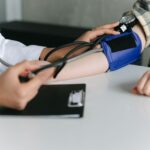
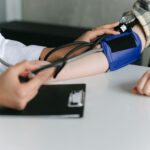
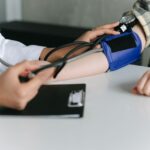
How to Check Your Blood Pressure Accurately at Home
Home monitoring is useful, but only if you do it correctly. Poor technique produces misleading numbers that cause unnecessary worry.
Follow these steps for an accurate reading:
- Sit quietly for five minutes before measuring
- Sit with your back supported and feet flat on the floor
- Place the cuff on bare skin, not over clothing
- Rest your arm on a flat surface at heart level
- Do not talk while the cuff is inflating
- Take two readings one minute apart and average them
Measure at the same time each day, usually morning and evening. Record your readings in a log to show your doctor. A single reading of 109 means very little on its own. Patterns matter more than individual numbers.
What the Research Says About “Normal” Blood Pressure
Large population studies have consistently shown that cardiovascular risk increases as blood pressure rises above 115/75. Below that threshold, the risk is very low. This does not mean 115 is the ideal target for everyone. It simply means that lower readings within the normal range are not associated with harm.
Research also shows that blood pressure varies widely among healthy individuals. Age, fitness level, body size, and genetics all influence your personal baseline. A fit young athlete might have a resting blood pressure of 95/60. An older adult might run at 118/78. Both are healthy.
The evidence does not support treating a reading of 109 with anything other than continued healthy habits. No medication, supplement, or lifestyle intervention is needed to raise a blood pressure of 109.
Can You Raise Blood Pressure If You Want To?
If you are concerned about a reading of 109, you might wonder if you should try to raise it. In most cases, you should not. There is no evidence that raising a normal blood pressure improves health outcomes.
That said, if you experience dizziness when standing, simple strategies may help:
- Drink more water to increase blood volume
- Stand up slowly from sitting or lying positions
- Avoid prolonged standing in hot environments
- Eat smaller, more frequent meals if dizziness follows eating
- Wear compression stockings if your doctor recommends them
Increasing salt intake is sometimes suggested for people with confirmed hypotension, but you should not do this without medical supervision. Extra salt can raise blood pressure too much and harm your kidneys over time.
The Bottom Line on 109 Blood Pressure
A reading of 109 systolic is normal and healthy. It is not low blood pressure. It does not require treatment, monitoring, or concern.
Pay attention to how you feel, not just what the monitor shows. Dizziness, fainting, and fatigue deserve medical evaluation regardless of your numbers. But a blood pressure reading of 109, by itself, is nothing to worry about.
Frequently Asked Questions
Is 109/70 blood pressure too low?
No, 109/70 is a completely normal blood pressure reading. It falls well within the healthy range of below 120/80.
What blood pressure number is considered too low?
Blood pressure is generally considered low when it drops below 90/60 mmHg. A reading at that level only matters if it causes symptoms like dizziness or fainting.
Should I worry if my blood pressure is 109?
No, you should not worry about a systolic reading of 109. It is a healthy number that does not require any treatment or lifestyle changes.
Can dehydration cause blood pressure to drop to 109?
Dehydration can cause blood pressure to drop, but a reading of 109 is not a dangerous drop. Even mild dehydration can make you feel dizzy, so drink water if you feel lightheaded.
