
Viral meningitis is diagnosed through a lumbar puncture (spinal tap) to collect cerebrospinal fluid (CSF), which is then tested using polymerase chain reaction (PCR) to detect the genetic material of specific viruses. This combination of lumbar puncture and PCR is the most reliable way to confirm viral meningitis and distinguish it from bacterial meningitis, which requires different and urgent treatment.
What Is Viral Meningitis?
Viral meningitis is an inflammation of the meninges, the protective membranes that cover the brain and spinal cord. The inflammation is caused by a viral infection, most often by enteroviruses. Other viruses that can cause it include herpes simplex virus, varicella-zoster virus (the virus that causes chickenpox and shingles), and mumps virus.
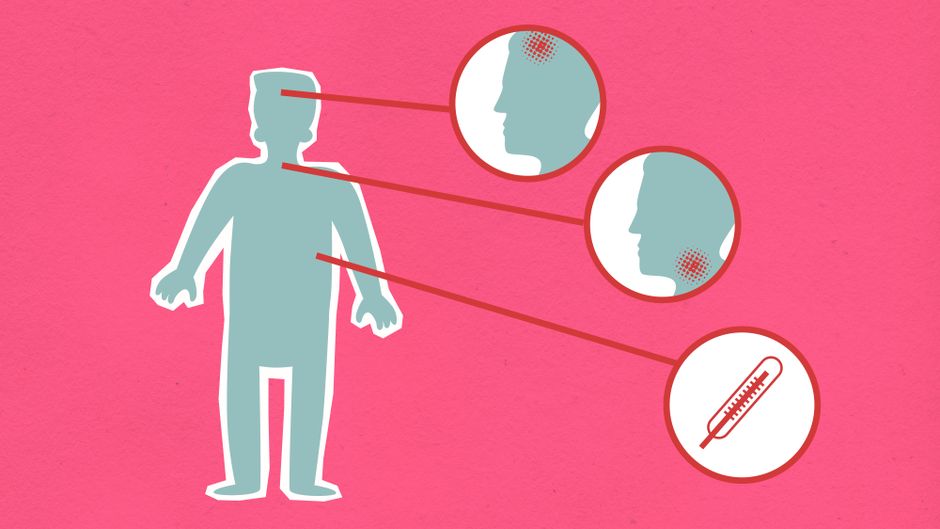
Symptoms commonly include fever, headache, stiff neck, nausea, vomiting, sensitivity to light, and confusion. In infants, symptoms may be less specific, such as irritability, poor feeding, and a bulging fontanelle. Viral meningitis is generally less severe than bacterial meningitis and often resolves on its own, but it still requires prompt medical evaluation to rule out bacterial causes.
Why Is Lumbar Puncture Essential for Diagnosis?
Lumbar puncture is the key diagnostic procedure for meningitis. It allows doctors to obtain a sample of cerebrospinal fluid (CSF), the fluid that surrounds the brain and spinal cord. Analyzing this fluid provides critical information about the type of meningitis present.
A lumbar puncture is performed by inserting a thin needle between two vertebrae in the lower back, after numbing the area. The patient typically lies curled on their side or sits leaning forward to open the spaces between the vertebrae. The procedure takes about 15 to 30 minutes and is done under sterile conditions to prevent infection.
CSF analysis includes measuring pressure, white blood cell count, glucose and protein levels, and performing microbiological tests. In viral meningitis, the CSF typically shows a mildly elevated white blood cell count (predominantly lymphocytes), normal or slightly low glucose, and normal to moderately elevated protein. These patterns help distinguish viral from bacterial meningitis, where the CSF usually has a much higher white count (neutrophils), low glucose, and high protein.
How Does PCR Confirm Viral Meningitis?
PCR, or polymerase chain reaction, is a laboratory technique that amplifies tiny amounts of viral genetic material (DNA or RNA) so it can be detected. When applied to CSF, viral PCR can identify the specific virus causing the infection with high accuracy.
The test works by using enzymes to make millions of copies of the virus’s genetic sequence if it is present. This allows detection even when only a few viral particles exist in the CSF sample. PCR is much more sensitive than traditional viral culture, which can take days and often fails to grow the virus. PCR results are typically available within 24 to 48 hours, though turnaround times vary by lab.
Different PCR tests target different viruses. A common panel tests for enteroviruses, herpes simplex virus, varicella-zoster virus, and sometimes other viruses like cytomegalovirus and Epstein-Barr virus. The choice of which PCR tests to run depends on the patient’s age, immune status, symptoms, and potential exposures.
It is important to note that a negative PCR result does not completely rule out viral meningitis. The viral load may be very low, or the specific virus tested may not be the one causing the infection. In such cases, additional testing or clinical judgment is needed.




What Other Tests Might Be Done Alongside Lumbar Puncture and PCR?
Before or during the lumbar puncture, blood tests are typically drawn. A complete blood count (CBC) can show elevated white blood cells, which suggests infection. Blood cultures help rule out bacteria in the bloodstream that could cause bacterial meningitis.
Brain imaging, such as a CT scan or MRI, is sometimes performed before a lumbar puncture if there is concern about increased intracranial pressure or a brain abscess. This is especially true if the patient has seizures, focal neurological deficits, a history of head trauma, or is immunocompromised. Imaging can help ensure it is safe to perform the lumbar puncture without risk of brain herniation.
In some cases, other CSF tests are done. For example, if herpes simplex virus is suspected, a PCR test for that virus is standard. Bacterial cultures and Gram stain are always performed to look for bacteria, even if viral meningitis is likely. The Gram stain can quickly show whether bacteria are present, guiding immediate treatment decisions.
Viral culture from CSF is rarely used today because PCR is faster and more sensitive. However, it may be considered in certain research settings or when PCR results are negative and clinical suspicion remains high.
What Happens If the Diagnosis Is Unclear?
Sometimes CSF results are ambiguous. For example, the white blood cell count and protein levels may fall in a gray zone that could be consistent with either viral or bacterial meningitis. In such cases, doctors may start antibiotics and antivirals while awaiting PCR and culture results. This is a precaution because bacterial meningitis can progress rapidly and become life-threatening.
Once PCR results come back, if a virus is identified, antibiotics can be stopped. If no virus is found and the fluid pattern still points to a possible bacterial cause, the patient continues antibiotic treatment until cultures are finalized. If both PCR and cultures are negative, the meningeal inflammation may be due to another cause, such as fungal infection, drug-induced meningitis, or an autoimmune condition like neurosarcoidosis. In these situations, additional testing and specialist consultation are needed.
Repeat lumbar puncture may be necessary if the diagnosis remains uncertain or if the patient does not improve as expected. The second CSF analysis can show changes over time that help confirm the cause.
Can Viral Meningitis Be Diagnosed Without Lumbar Puncture?
No. A lumbar puncture is the only way to obtain CSF for direct analysis. Blood tests alone cannot reliably diagnose viral meningitis because they cannot show the inflammatory changes inside the central nervous system. Clinical symptoms and blood markers may increase suspicion, but definitive diagnosis requires CSF examination.
In rare situations where a lumbar puncture cannot be performed due to bleeding disorders, spinal abnormalities, or severe intracranial pressure, doctors may rely on clinical judgment and PCR testing of blood. However, this is less accurate. A positive blood PCR for certain viruses (like enterovirus) can support the diagnosis, but a negative blood PCR does not rule out meningitis.
The Centers for Disease Control and Prevention (CDC) and other expert guidelines clearly state that CSF analysis via lumbar puncture is the gold standard for diagnosing meningitis, whether viral or bacterial.
How Long Does It Take to Get Results?
Lumbar puncture itself takes about 15 to 30 minutes. The CSF is then sent to the lab. A basic analysis of cell counts, glucose, and protein is usually available within 1 to 2 hours. This initial information helps doctors decide whether to start treatment urgently.
PCR results typically take 24 to 48 hours. Some labs offer rapid PCR tests that can provide results in a few hours, but this is not universally available. Viral cultures, if performed, can take 3 to 7 days.
Waiting for confirmatory results can be stressful, but doctors do not delay life-saving treatment when bacterial meningitis is suspected. They start antibiotics immediately after the lumbar puncture and adjust the regimen once PCR and culture results are back.
Is Viral Meningitis Contagious?
The viruses that cause viral meningitis can be contagious, but the meningitis itself is not. For example, enteroviruses spread through respiratory droplets or fecal contamination. Most people who get infected with these viruses develop only mild cold or flu-like symptoms, not meningitis. Meningitis is an uncommon complication.
Patients with viral meningitis are usually not required to be isolated, except in certain cases like herpes simplex virus or varicella-zoster virus, where droplet precautions may be recommended. Good hand hygiene can reduce spread to others.
How Is Viral Meningitis Treated?
Most cases of viral meningitis resolve on their own within 7 to 10 days. Treatment is supportive: rest, fluids, and over-the-counter pain relievers for headache and fever. Antiviral medications are used for specific viruses like herpes simplex virus and varicella-zoster virus, especially in immunocompromised patients or newborns. There is no specific antiviral for enteroviral meningitis, the most common type.
Hospitalization may be needed for severe symptoms, complications, or patients at high risk, such as infants, the elderly, or those with weakened immune systems. Steroids are not routinely recommended for viral meningitis, unlike bacterial meningitis.
Frequently Asked Questions
How accurate is PCR for diagnosing viral meningitis?
PCR is highly accurate, with sensitivity and specificity over 90% for common viruses like enterovirus and herpes simplex virus when CSF is tested.
Can a lumbar puncture miss viral meningitis?
Yes, if the viral load is very low or the virus is not included in the PCR panel, the lumbar puncture may not detect the virus; clinical suspicion and repeat testing may be needed.
Is a lumbar puncture painful?
Most people feel a brief sting from the numbing injection and then pressure during the needle insertion; it is generally tolerable with local anesthesia.
How long does it take to recover from viral meningitis?
Most people recover fully within 1 to 2 weeks, though fatigue and mild symptoms may persist for several weeks in some cases.
