
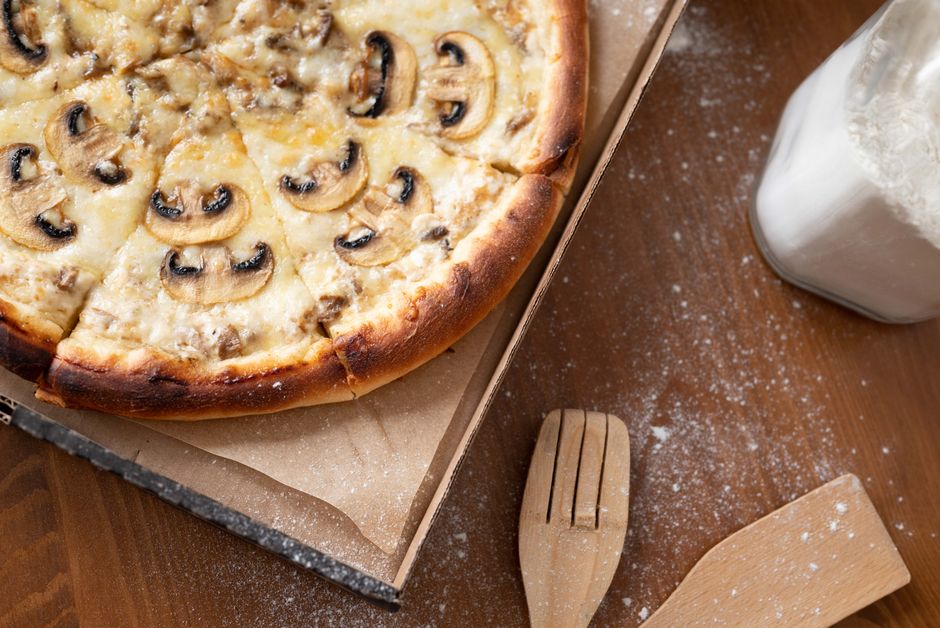
Pizza is one of the most popular foods in America, but many people wonder if it belongs in a healthy diet. The honest answer is that pizza is not inherently toxic, but its health impact depends almost entirely on how it is made and how often you eat it. A single slice of plain cheese pizza from a chain restaurant typically contains a moderate amount of calories, but the combination of refined flour, sodium, and saturated fat makes regular consumption a genuine health concern.
What Actually Makes Pizza Unhealthy?
The main health concerns with pizza come down to three ingredients: refined white flour, cheese, and processed meats. The crust is usually made from highly refined wheat flour that has been stripped of fiber and most nutrients. Your body digests this flour quickly, causing blood sugar to spike and then drop shortly after eating.
Cheese is the primary source of saturated fat and sodium in a standard pizza. A typical slice of cheese pizza contains about 200-300 calories, but the sodium can reach 400-600 milligrams per slice. The American Heart Association recommends limiting sodium to about 2,300 milligrams per day, with an ideal limit of 1,500 milligrams for most adults. Eating two or three slices of conventional pizza can use up a large portion of your daily sodium allowance.
Processed meats like pepperoni and sausage add another layer of concern. The World Health Organization classifies processed meats as Group 1 carcinogens, meaning there is strong evidence they increase colorectal cancer risk. This does not mean one slice of pepperoni pizza causes cancer, but regular consumption adds measurable risk.
Is Pizza All Bad For You?
Pizza is not nutritionally empty. A standard slice provides protein from the cheese, calcium, and some B vitamins. Tomato sauce contributes lycopene, an antioxidant linked to heart health benefits in some studies. If the pizza includes vegetable toppings, you add fiber, vitamins, and additional antioxidants.
The problem is proportion. A single slice of plain cheese pizza can fit into a balanced meal when paired with a salad or vegetables. The health issues emerge when pizza becomes a regular meal choice rather than an occasional food. Studies consistently link frequent fast-food and takeout pizza consumption with higher calorie intake, weight gain, and poorer diet quality overall.
One non-obvious issue is portion distortion. Many people eat two, three, or four slices in one sitting because pizza is easy to overeat. The combination of fat, salt, and refined carbohydrates is designed to be palatable, and research suggests these foods do not trigger the same fullness signals as less processed foods.
How Many Calories Are In A Typical Pizza Slice?
Calorie counts vary widely depending on the style and toppings. A single slice of thin-crust cheese pizza from a national chain typically contains 200-300 calories. A slice of thick-crust or stuffed-crust pizza can reach 350-450 calories. A slice of deep-dish or Detroit-style pizza may contain 400-500 calories or more.
These numbers matter because most people do not stop at one slice. Two slices of standard cheese pizza with a sugary drink can easily total 700-900 calories, which is nearly half the daily energy needs for many adults. When this happens several times per week, the calorie surplus adds up.
The serving size on nutrition labels for frozen pizza is often one-fifth of the pizza, which surprises many people who eat half the pie in one sitting. Reading the actual serving size before eating can help you understand what you are really consuming.





How Does Pizza Compare To Other Fast Food?
Compared to other fast food options, pizza is not clearly worse or better. A single slice of cheese pizza is roughly comparable in calories to a standard fast-food hamburger. The difference is that pizza portions are less defined, making it easier to consume more calories without noticing.
Pizza tends to be higher in sodium than many other meal options. A single slice can contain more sodium than a serving of french fries. However, pizza often provides more protein and calcium than fried fast food items, and vegetable toppings can add nutritional value that burgers and fries lack.
The healthiest fast food choice is typically whichever option includes vegetables, limits processed meat, and keeps portion sizes reasonable. A slice of vegetable pizza with a side salad is a better choice than a double cheeseburger with large fries for most people.
Can Pizza Fit Into A Healthy Diet?
Pizza can absolutely be part of a healthy eating pattern when consumed in moderation. Health experts do not recommend eliminating any specific food entirely unless you have a medical condition like celiac disease or a dairy allergy. The key is frequency and portion control.
For most healthy adults, eating pizza once a week or less is unlikely to cause measurable health problems if the rest of your diet is balanced. The problems arise when pizza replaces meals that would otherwise include vegetables, whole grains, and lean proteins several times per week.
Some research suggests that people who eat pizza as part of a Mediterranean-style diet do not show negative health effects, likely because the overall dietary pattern matters more than any single food. The context of your entire diet matters more than any individual meal.
How To Make Pizza Healthier
Making pizza at home gives you control over every ingredient. Using whole wheat or cauliflower crust increases fiber content significantly. Reducing the amount of cheese by half cuts saturated fat and sodium substantially. Adding vegetables as primary toppings rather than meat increases nutritional value.
When ordering pizza, choose thin crust over thick or stuffed crust. Ask for light cheese or half the normal amount. Select vegetable toppings like mushrooms, peppers, onions, and spinach instead of pepperoni, sausage, or bacon. Pair your pizza with a side salad rather than breadsticks or other high-calorie sides.
Portion control strategies can help as well. Serve yourself one or two slices on a plate rather than eating from the box. Drink water instead of sugary soda. Stop eating when you feel satisfied rather than full, and save leftovers for another meal rather than finishing the entire pizza.
Is Frozen Pizza Healthier Than Delivery Pizza?
Frozen pizza varies enormously by brand and style. Some frozen pizzas are designed to be lighter, with fewer calories and less sodium per serving than delivery pizza. Others are dense with cheese and processed meats and are comparable to or worse than restaurant options.
The advantage of frozen pizza is portion control. Most frozen pizzas have clear serving sizes printed on the package, and the pizzas are smaller than delivery pies. This makes it easier to eat a reasonable amount rather than losing track while sharing a large delivery pizza.
Read the nutrition label carefully before buying frozen pizza. Compare calories, saturated fat, and sodium per serving across brands. Some vegetable-based crust pizzas are genuinely better options, but a “cauliflower crust” label does not automatically make a pizza healthy if it is loaded with cheese and processed meat.
Frequently Asked Questions
Is eating pizza once a week bad for you?
For most healthy adults, one pizza meal per week is unlikely to cause measurable health problems if your overall diet is balanced. The concern is when pizza becomes a frequent replacement for meals that include vegetables, whole grains, and lean protein.
Which is healthier: thin crust or thick crust pizza?
Thin crust pizza is generally the healthier choice because it contains less refined flour and fewer calories per slice. Thick crust and stuffed crust pizzas add significantly more carbohydrates and calories without adding meaningful nutritional value.
Is vegetable pizza actually healthy?
Vegetable pizza is healthier than meat pizza because vegetables add fiber, vitamins, and antioxidants while replacing some of the saturated fat and sodium from processed meats. However, the crust and cheese still contribute refined carbohydrates and saturated fat, so portion control still matters.
Can people with diabetes eat pizza?
People with diabetes can eat pizza but need to manage portions carefully because the refined carbohydrates in the crust can raise blood sugar quickly. Pairing pizza with a salad or other fiber-rich food and monitoring blood sugar after eating can help manage the response.
