
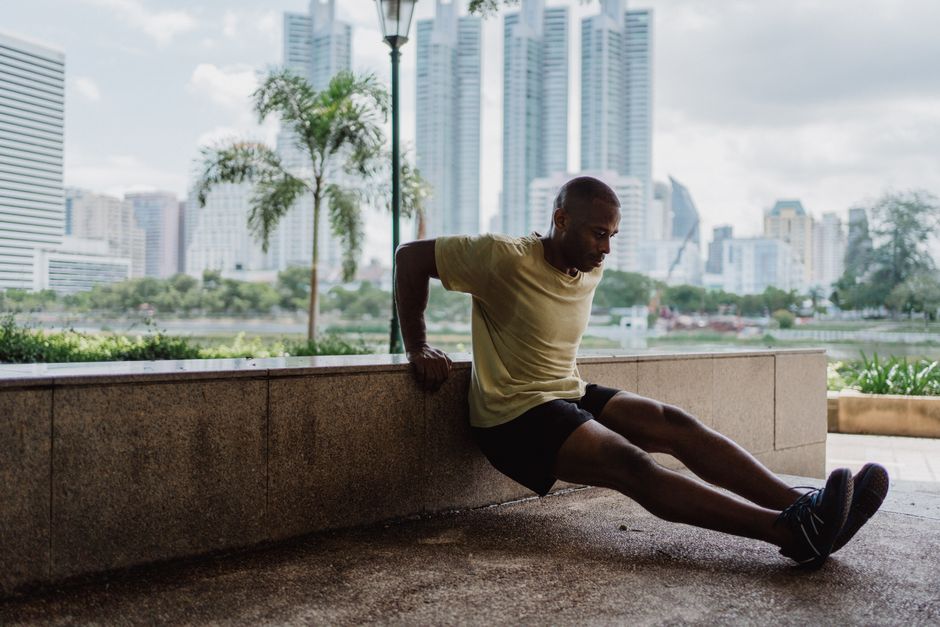
The tricep is the muscle on the back of your upper arm. It makes up about two-thirds of your arm’s size. If you want bigger or stronger arms, you need to work it directly. The tricep has three heads: the long head, the lateral head, and the medial head. To work all of them effectively, you need a mix of pressing movements and isolation exercises. Here is the step-by-step method to train your tricep safely and effectively.
What Is the Tricep and What Does It Do?
The triceps brachii is a three-headed muscle located on the back of the upper arm. Its primary job is elbow extension — straightening your arm. The long head also crosses the shoulder joint, which means it helps with shoulder extension and adduction.
Understanding the anatomy matters. The lateral head gives your arm its horseshoe shape. The medial head sits underneath and provides most of the raw strength for extension. The long head is the largest of the three and is most active when your arm is overhead or behind your body.
Every pushing movement you do — a push-up, a bench press, or an overhead press — relies on your triceps. But compound presses alone are rarely enough to fully develop the muscle. Direct isolation work is necessary for balanced growth.
Step 1: Warm Up Your Elbows and Shoulders
Your tricep connects to your elbow and shoulder. Cold muscles and stiff joints increase injury risk. Spend five minutes warming up before you touch a weight.
Start with light cardio to raise your core temperature. Arm circles, shoulder rolls, and wrist rotations prepare the joints. Then do one or two light sets of tricep extensions with a band or a very light dumbbell. This pumps blood into the area and improves your range of motion.
Do not skip this step. The elbow joint is particularly vulnerable to overuse injuries like tendinitis. A proper warm-up reduces that risk significantly.
How To Work The Tricep: Step By Step Exercise Selection
To build a complete tricep, you need exercises that target all three heads. No single movement does this perfectly. The key is to choose exercises based on arm position.
When your arms are overhead, the long head is stretched and highly active. When your arms are down at your sides, the lateral and medial heads do most of the work. A balanced routine includes both positions.
Here is a practical breakdown of the most effective movements:
- Close-grip bench press: A compound movement that allows heavy loads. It works all three heads with an emphasis on the lateral head.
- Overhead tricep extension: Performed with a dumbbell, cable, or rope. This movement puts the long head in a stretched position, which research suggests is important for muscle growth.
- Cable pushdowns: An isolation exercise performed with arms at your sides. It targets the lateral and medial heads effectively.
- Dips: A bodyweight compound movement. Leaning forward shifts emphasis to the chest; staying upright keeps tension on the triceps.
- Skull crushers: Lying tricep extensions that load the long head. Use a controlled tempo and stop short of full elbow lockout to protect the joint.
Choose two to three of these per workout. You do not need to do all of them in a single session.




Step 2: Set the Right Rep Range and Weight
For muscle growth, research consistently shows that a wide range of rep schemes works. The most practical approach is moderate reps with controlled form.
Aim for 8 to 15 repetitions per set for isolation exercises. For compound movements like dips or close-grip presses, 6 to 10 reps is appropriate. The weight should be heavy enough that the last two reps are challenging but not impossible.
Form is more important than weight. Swinging the weight or using momentum shifts tension away from the tricep and onto your shoulders or lower back. Control the weight on both the lifting and lowering phases.
For most people, 2 to 4 working sets per exercise is sufficient. More volume does not automatically mean more growth. Quality repetitions with adequate rest between sets produce better results than endless sets with poor form.
Step 3: Use Proper Form for the Core Movements
Each tricep exercise has specific form cues. Getting these right protects your joints and ensures the muscle actually does the work.
For cable pushdowns: Stand tall with your elbows pinned to your sides. Push the bar or rope down until your arms are straight. Do not let your elbows drift forward or flare outward. Return to the starting position slowly.
For overhead extensions: Sit or stand with a dumbbell held overhead in both hands. Lower the weight behind your head by bending your elbows. Keep your upper arms close to your ears and still. Extend back to the start without locking your elbows hard.
For dips: Grip parallel bars and support your body weight. Keep your chest up and your elbows pointed backward. Lower until your upper arms are roughly parallel to the floor. Push back up without shrugging your shoulders.
For skull crushers: Lie on a bench holding a barbell or dumbbells above your chest. Bend your elbows to lower the weight toward your forehead. Keep your upper arms perpendicular to the floor. Extend back to the starting position.
If you feel sharp pain in the elbow or shoulder, stop. Muscle fatigue feels like burning. Joint pain feels different and is a warning sign.
Step 4: Plan Your Weekly Tricep Frequency
Your triceps are already active during chest and shoulder workouts. You need to account for that when planning direct tricep work.
Training your triceps directly two times per week is effective for most people. This could mean one dedicated arm session and one day where you add tricep isolation after a chest or shoulder workout. Spacing these sessions at least 48 hours apart allows for adequate recovery.
If you train chest on Monday and again on Thursday, your triceps get significant indirect work both days. Adding direct tricep exercises on both days may be too much for some lifters. Pay attention to how your elbows feel. If they ache, reduce frequency or volume.
Beginners can start with one direct tricep session per week. Advanced lifters often need more volume to stimulate growth. The right frequency depends on your training experience, recovery capacity, and the rest of your program.
Step 5: Progress Over Time
Muscle growth requires progressive overload. This means gradually increasing the demands placed on the muscle over time.
Progression can come from adding weight, adding repetitions, or improving form. The simplest method is to add a small amount of weight when you can complete all your sets and reps with good form. For isolation movements, small increments of 2.5 to 5 pounds are appropriate.
Another effective strategy is to increase time under tension. Slow down the lowering phase of each repetition to three seconds. This increases the difficulty without changing the weight.
Track your workouts. Write down the exercise, weight, sets, and reps. If you are doing the same weight and reps three weeks in a row, you are not progressing. Your body adapts to stress, and you must increase the stress over time to see continued changes.
Step 6: Prioritize Recovery and Nutrition
Muscle grows during recovery, not during the workout itself. Sleep and protein intake are the two most important recovery factors.
Protein provides the amino acids your body uses to repair muscle tissue. Research suggests that spreading protein intake across the day is more effective than eating it all in one meal. Most active adults benefit from 20 to 40 grams of protein per meal.
Sleep is equally critical. Growth hormone is released primarily during deep sleep. Adults who sleep fewer than seven hours per night tend to have poorer muscle recovery and slower strength gains.
Do not neglect the muscle you are not directly training. A balanced program that includes pulling movements for your back and biceps prevents muscle imbalances. Tricep development is part of overall arm health, not an isolated goal.
Common Mistakes That Limit Tricep Growth
Several errors keep people from seeing results. Recognizing them is the first step to fixing them.
Locking your elbows hard: This shifts tension from the muscle to the joint. Stop the movement just short of a hard lockout.
Using too much weight: When the load is too heavy, your shoulders and back take over. The tricep stops doing the work. Reduce the weight and feel the muscle engage.
Ignoring the long head: Pushdowns alone will not fully develop the tricep. Overhead movements are necessary to target the long head, which contributes most to overall arm size.
Training triceps every day: The tricep is a smaller muscle group. It needs rest like any other muscle. Overtraining leads to tendinitis and stalled progress.
Poor elbow position: Flaring your elbows during pushdowns or extensions changes the angle and reduces tricep activation. Keep your elbows tucked and stable.
How Many Sets and Reps Should You Do?
There is no single perfect number. Research on training volume suggests that most people respond well to 10 to 20 working sets per muscle group per week. This includes both direct and indirect work.
For direct tricep isolation, 6 to 12 working sets per week is a reasonable target for most intermediate lifters. Beginners need less. Advanced lifters may need more.
Rep ranges from 6 to 20 all produce muscle growth when taken close to failure. Lower reps build strength. Higher reps build muscular endurance. Moderate reps in the 8 to 15 range offer a practical balance for most people.
Rest between sets matters. For compound movements, rest two to three minutes. For isolation exercises, rest 60 to 90 seconds. This allows adequate recovery without dragging the workout out unnecessarily.
Frequently Asked Questions
How many times a week should I train my triceps?
Training your triceps directly two times per week is effective for most people. Space the sessions at least 48 hours apart to allow for recovery.
Can I build triceps without weights?
Yes. Dips, close-grip push-ups, and bodyweight extensions can build tricep strength and size. You will need to increase reps or use harder variations over time to keep progressing.
Why are my triceps not growing?
Common reasons include using too much weight with poor form, skipping overhead exercises, and not progressing the load over time. Inadequate protein intake and sleep also limit growth.
Do pushdowns work all three heads of the tricep?
No. Pushdowns primarily target the lateral and medial heads. The long head is best trained with overhead movements where the arm is raised above the head.
