
Pelvic floor exercises are not just for women. Men need them too, and the technique is straightforward once you understand which muscles you are targeting. To work out your pelvic floor muscles as a man, you first identify the muscles you use to stop the flow of urine or hold in gas, then you contract and relax them in controlled repetitions. Done consistently, these exercises strengthen the muscles that support your bladder, bowel, and core, which can help with urinary leakage and improve recovery after prostate surgery.
What Exactly Are the Pelvic Floor Muscles?
Think of your pelvic floor as a hammock of muscle stretching from your pubic bone in the front to your tailbone at the back. These muscles sit at the base of your pelvis and hold your bladder, bowel, and prostate in place. They also wrap around the urethra and rectum, giving you voluntary control over urination and bowel movements.
Like any other muscle group, the pelvic floor can weaken with age, injury, or certain medical procedures. When these muscles lose tone, you may notice urine leaking when you cough, sneeze, laugh, or lift something heavy. That condition is called stress urinary incontinence, and it affects men more often than most people assume.
How To Work Out Your Pelvic Floor Muscles As A Man: The Basic Technique
Before you start any routine, you must locate the correct muscles. The most reliable way is to stop your urine stream mid-flow. If you can do that, you have found the muscles. Do not make a habit of stopping urine flow this way—it is only for identifying the muscles, not for training them. Another way is to imagine you are holding in gas. The squeeze you feel in your back passage is your pelvic floor contracting.
Once you have identified the muscles, follow these steps:
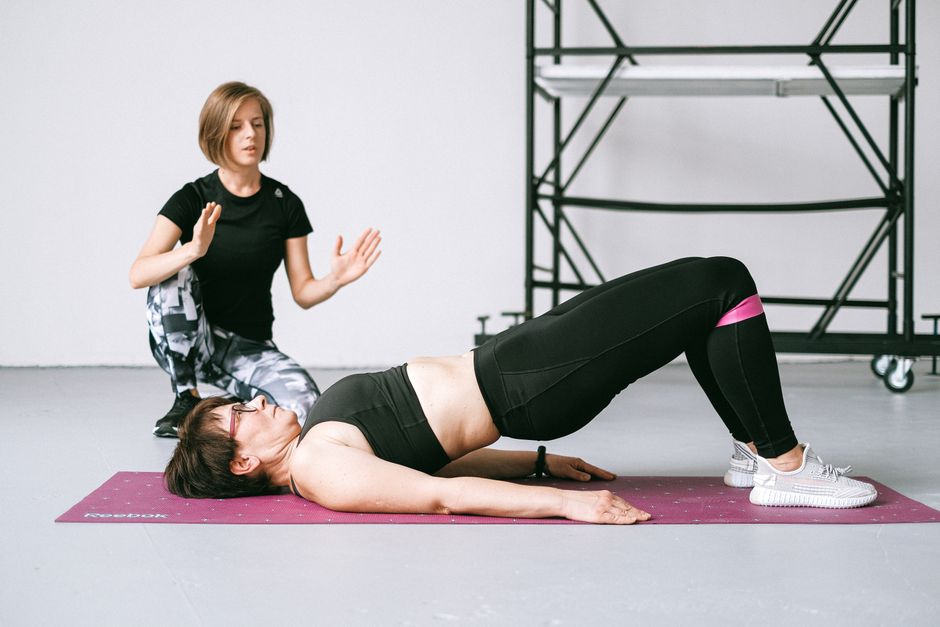
- Lie down on your back with your knees bent and feet flat on the floor. Lying down makes the exercise easier because gravity is not pulling against you.
- Tighten your pelvic floor muscles. Squeeze and lift them upward and inward. You should feel a distinct pulling sensation in the area between your scrotum and anus.
- Hold the contraction for 3 to 5 seconds. Breathe normally throughout. Do not hold your breath and do not tighten your stomach, buttocks, or thigh muscles.
- Relax completely for 3 to 5 seconds. Full relaxation between contractions is essential—it is part of the training.
- Repeat this cycle 10 times. That counts as one set.
- Aim for 3 sets per day, spread out at different times.
After several weeks, you can progress to holding the contraction for up to 10 seconds. You can also perform the exercises sitting or standing once you have mastered the lying-down position. Some men prefer to do them while sitting at a desk or standing in line. No one can tell you are doing them, which makes them easy to fit into a daily routine.
What Mistakes Do Men Make When Doing These Exercises?
The most common error is using the wrong muscles. Many men tense their buttocks, squeeze their thighs, or tighten their abdominal wall instead of isolating the pelvic floor. If you feel your glutes or legs burning, you are not targeting the right area.
Another frequent mistake is bearing down instead of lifting up. Imagine trying to push out a bowel movement—that is the opposite of what you want. The pelvic floor contraction should feel like a lift, not a push. If you feel pressure building in your rectum, you are doing it incorrectly.
Holding your breath is also counterproductive. Your pelvic floor works alongside your breathing pattern, and breath-holding increases intra-abdominal pressure, which can actually put more strain on these muscles. Keep breathing steadily through each repetition.
Finally, some men overdo it. More is not better when it comes to pelvic floor training. Excessive squeezing without adequate rest can cause the muscles to become tense and fatigued, which may worsen symptoms or create new pelvic pain. Quality matters far more than quantity.




Why Should Men Strengthen Their Pelvic Floor?
Weak pelvic floor muscles are a leading cause of stress urinary incontinence in men. This type of leakage happens when physical movement or pressure—like coughing, sneezing, laughing, or lifting—pushes against the bladder and the weakened muscles cannot hold the urethra closed. Strengthening the pelvic floor improves the muscles’ ability to provide that support.
Men who have undergone prostate surgery, particularly a radical prostatectomy for prostate cancer, often experience urinary incontinence afterward. Post-surgical pelvic floor muscle training is a standard part of recovery. Research consistently shows that men who perform these exercises before and after surgery regain continence faster than those who do not.
A well-conditioned pelvic floor also contributes to core stability. These muscles work together with your deep abdominal muscles and diaphragm to support your spine. Some men report improved control over bowel function as well, particularly those dealing with fecal incontinence or urgency.
How Long Before You See Results From Pelvic Floor Exercises?
Pelvic floor muscles respond to training like any other muscle, but they do not show visible progress. You will not see a difference in the mirror, and you may not feel a difference immediately. Most men who practice consistently notice improvement in urinary control within 6 to 12 weeks.
Consistency is the single most important factor. Doing the exercises once a week will not produce meaningful change. Three sets per day, most days of the week, is the typical recommendation from physiotherapists who specialize in pelvic health. Some men benefit from working with a pelvic floor physiotherapist who can provide biofeedback to ensure correct technique.
If you notice no improvement after 3 months of consistent training, speak with a healthcare provider. The issue may not be muscle weakness alone. An enlarged prostate, a urinary tract infection, or a neurological condition can also cause leakage, and these require different treatment approaches.
When Should You See a Doctor Instead of Self-Treating?
Pelvic floor exercises are safe for most men, but they are not the answer to every urinary problem. You should consult a doctor before starting any self-directed exercise program if you experience blood in your urine, pain during urination, or a sudden inability to urinate. These symptoms can indicate an infection, obstruction, or other condition requiring medical evaluation.
Men who leak urine constantly or in large amounts, rather than a few drops with coughing or sneezing, should also seek medical advice. Overflow incontinence—when a full bladder leaks because it cannot empty properly—is often related to prostate enlargement and will not improve with pelvic floor exercises alone.
If you have a neurological condition such as Parkinson’s disease, multiple sclerosis, or a spinal cord injury, your pelvic floor function may be affected in ways that require specialized assessment. A doctor or pelvic health physiotherapist can design a program appropriate for your specific situation.
Are There Other Ways To Strengthen the Pelvic Floor?
Some men ask about biofeedback devices, electrical stimulation, or specialized training tools marketed for pelvic floor strengthening. Biofeedback uses sensors to show you on a screen whether you are contracting the correct muscles. This can be genuinely helpful for men who struggle to identify the right muscles on their own. A physiotherapist can provide this in a clinical setting.
Electrical stimulation involves a probe that delivers a mild current to cause passive muscle contractions. Some studies suggest it can help men who cannot voluntarily contract their pelvic floor at all, particularly in the early stages after prostate surgery. It is typically used under professional supervision rather than as a standalone home treatment.
Commercial devices and apps claiming to strengthen the pelvic floor vary widely in quality and evidence. Some may help with technique feedback, but no device replaces the need for consistent, correctly performed exercises. Be cautious of any product promising rapid results or a complete cure for incontinence. No clinical evidence supports those claims.
Does Lifestyle Affect Pelvic Floor Health in Men?
Yes. Chronic constipation and repeated straining on the toilet put significant downward pressure on the pelvic floor. Managing constipation through adequate fluid intake, dietary fiber, and physical activity can reduce that strain. Men who strain regularly may find their pelvic floor symptoms improve when bowel habits improve.
Heavy lifting with poor technique also loads the pelvic floor. If you lift weights, exhale as you lift and avoid holding your breath. This reduces intra-abdominal pressure and lessens the burden on these muscles. Carrying excess body weight, particularly around the abdomen, similarly increases pressure on the pelvic floor. Weight loss is not a direct pelvic floor exercise, but it can reduce the load these muscles must bear.
Frequently Asked Questions
Can men really do Kegel exercises?
Yes, men can and should do Kegel exercises—the term simply refers to pelvic floor muscle training. The technique for men is the same as for women, though the anatomical landmarks differ slightly.
How many pelvic floor exercises should a man do per day?
Most pelvic health specialists recommend 3 sets of 10 repetitions per day, with each contraction held for 3 to 5 seconds. Consistency across the week matters more than doing a large number on a single day.
Will pelvic floor exercises help with erectile dysfunction?
Some research suggests pelvic floor training may improve erectile function in men with mild dysfunction, likely by improving blood flow and muscle support in the pelvic region. However, the evidence is not strong enough to recommend these exercises as a standalone treatment for erectile dysfunction.
Can doing pelvic floor exercises make incontinence worse?
Incorrect technique can cause problems. If you bear down instead of lifting up, or if you never fully relax between contractions, you may increase pelvic tension and worsen symptoms. Stop if you experience pain and consult a physiotherapist for technique guidance.
